Calibration that gives researchers confidence in their in situ microscopy data.
Hummingbird Scientific’s internal Calibration Lab measures, inspects, and qualifies chips, holders, sensors, controllers, and custom systems used in in situ microscopy experiments. The lab supports TEM, SEM, X-ray, cryo-EM, gas, liquid, heating, biasing, electrochemistry, magnetizing, and other controlled sample-environment workflows.
Calibration is part of Hummingbird’s engineering loop, helping verify product behavior before shipment or deployment through calibration data, inspection records, qualification records, reports, and shipment documentation where applicable.

Key advantages of in-house calibration
- Calibration is integrated with engineering, microfabrication, assembly, software, and microscope validation, allowing findings to be addressed across the full product workflow.
- A single internal lab supports Hummingbird chips, holders, sensors, controllers, and custom systems throughout development and production.
- Thermal, electrical, magnetic, inspection, and documentation activities are coordinated within one engineering environment.
- Calibration results feed directly into design refinement, production quality checks, and application readiness.
- Appropriate reference instruments and standards are used for each measurement, with traceability documented where applicable.
What we calibrate
Hummingbird calibrates and qualifies the hardware that creates, controls, and measures the sample environment in an in situ microscopy experiment. This includes microfabricated chips, device-level sensors, heater and biasing pathways, magnetic devices, controller behavior, holder assemblies, and custom configurations when applicable.
Chip and sensor calibration
For chip-based workflows, calibration can include temperature-response characterization, sensor calibration data, and IR camera-based calibration of on-chip thermometry. These measurements support closed-loop control and help verify that chips and sensors behave as expected before shipment or internal microscopy validation.
Electrical, magnetic, and controller qualification
The lab supports electrical signal analysis and stimulus-device qualification for biasing, heating, magnetizing, and control workflows. Power sources, oscilloscopes, optical inspection, electron microscopy inspection, and qualification records help verify device behavior before Hummingbird systems move into customer, custom, OEM, or internal validation use.
Why calibration matters in in situ microscopy
In situ microscopy data depends on the device that creates and measures the sample environment. Heating, biasing, magnetizing, gas, liquid, cryogenic, and custom workflows all rely on sensors, chip geometry, signal stability, mechanical fit, controller response, and microscope compatibility. Calibration helps identify behavior early, reduces avoidable setup risk, and gives Hummingbird engineers direct feedback for product improvement.
Connected to microscope validation
Bench calibration is only one part of product readiness. When applicable, Hummingbird connects calibration results with internal TEM and cryo-EM validation so hardware can be evaluated under real microscope conditions, including beam, vacuum, temperature, electrical, fluidic, cryogenic, workflow, and imaging conditions.
Frequently asked questions
Ready to discuss a Hummingbird system?
Talk with Hummingbird about in situ microscopy products, custom chips, holder modifications, controller workflows, and the calibration and validation steps that support product readiness before shipment.
Related capabilities and facilities
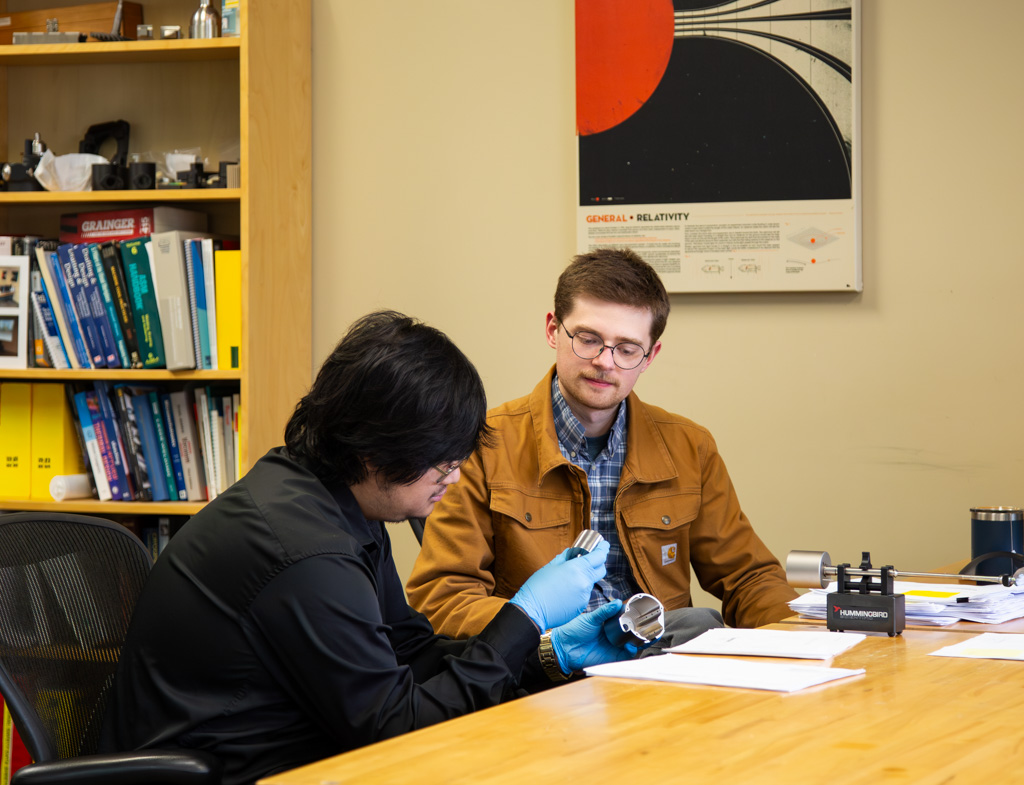
Engineering
From first-principles analysis and 3D CAD to prototyping, testing, and validation, see how Hummingbird develops advanced microscopy systems through integrated engineering, software, electronics, and manufacturing.
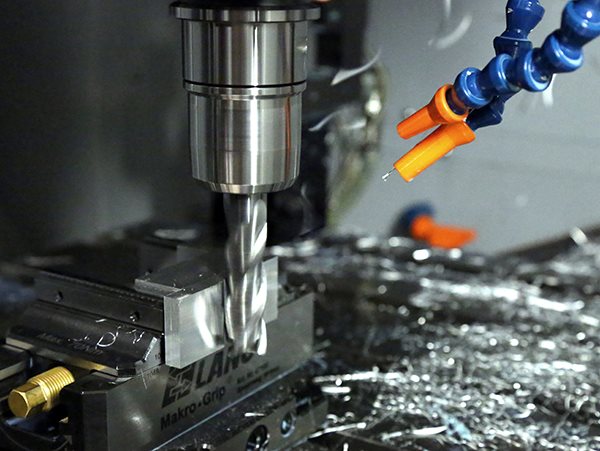
Manufacturing and Assembly
Our precision machine shop is the foundation of our in-house manufacturing, producing high-tolerance components for in situ microscopy. Paired with dedicated assembly and inspection, it ensures every part meets exacting performance and quality standards.
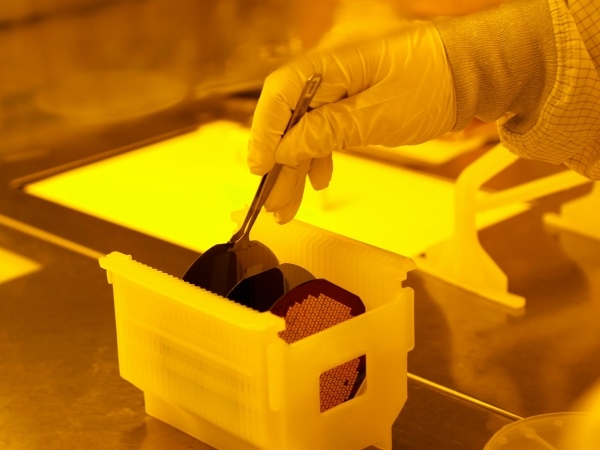
In-house microfabrication
Our work is supported by a dedicated microfabrication division that develops MEMS chips and custom devices for in situ microscopy systems, including gas, liquid, heating, and electrical biasing applications.
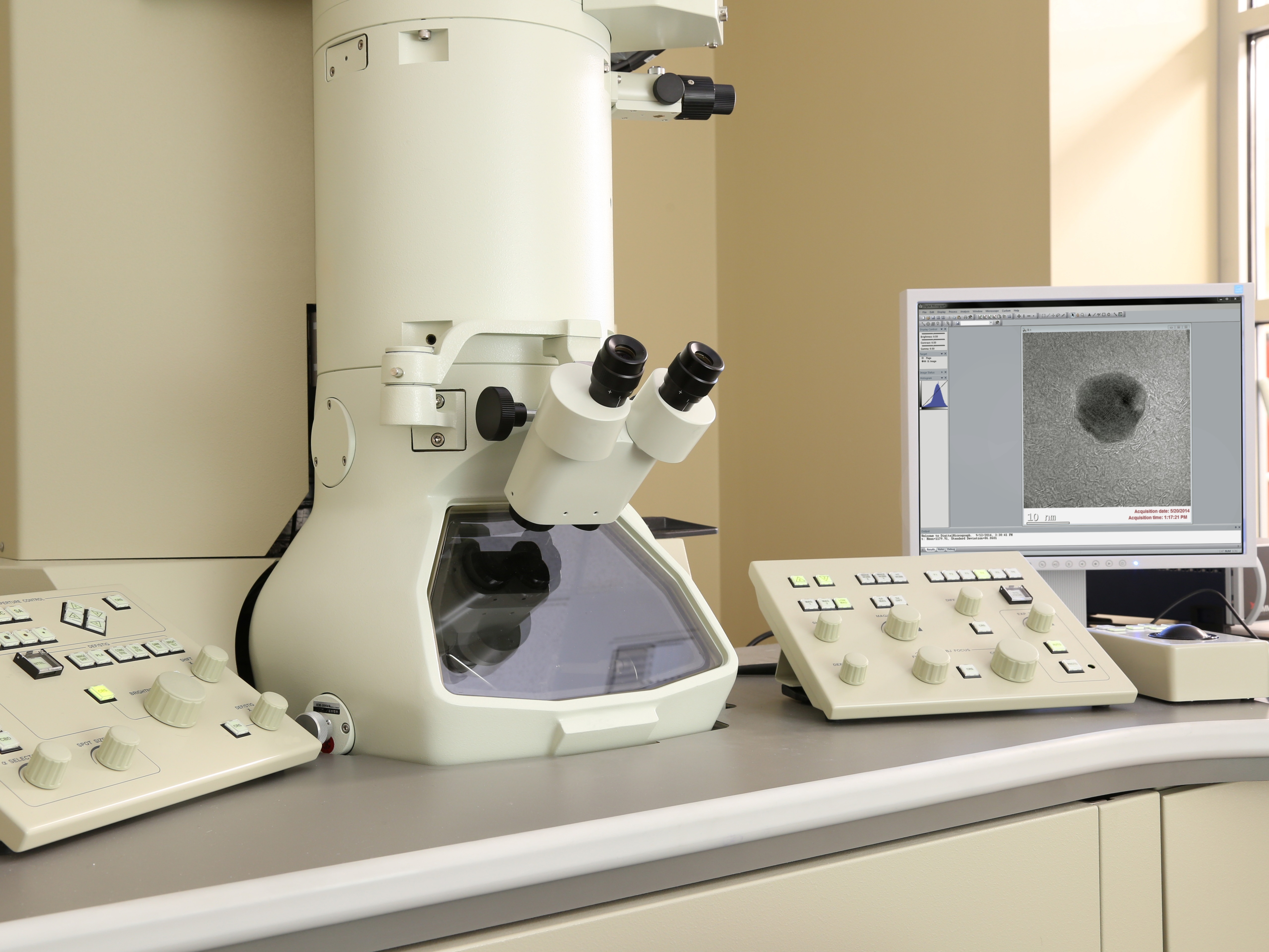
TEM and cryo-EM labs on site
Hummingbird maintains internal TEM and cryo-EM laboratories where products, prototypes, and workflows are developed and validated under real microscope conditions, connecting engineering decisions with practical performance and application needs.