TEM Lab for In Situ Microscopy Validation and Product Development.
Hummingbird Scientific maintains an internal TEM Lab for developing, evaluating, and refining in situ microscopy holders, prototypes, cryogenic workflows, custom systems, and software-enabled microscopy workflows under real microscope conditions.
The lab includes two JEOL 2100 TEM systems and a broad in situ holder library used for development testing, applications work, customer demonstrations, OEM collaboration, and advanced workflow evaluation. This internal capability helps connect engineering design, microfabrication, manufacturing and assembly, calibration, software development, applications testing, and customer support into one practical product-development loop.

TEM microscope systems and holder workflows
Hummingbird Scientific’s TEM Lab includes two JEOL 2100 transmission electron microscope systems used for in situ microscopy testing, product validation, prototype development, customer demonstrations, applications support, and software workflow development.
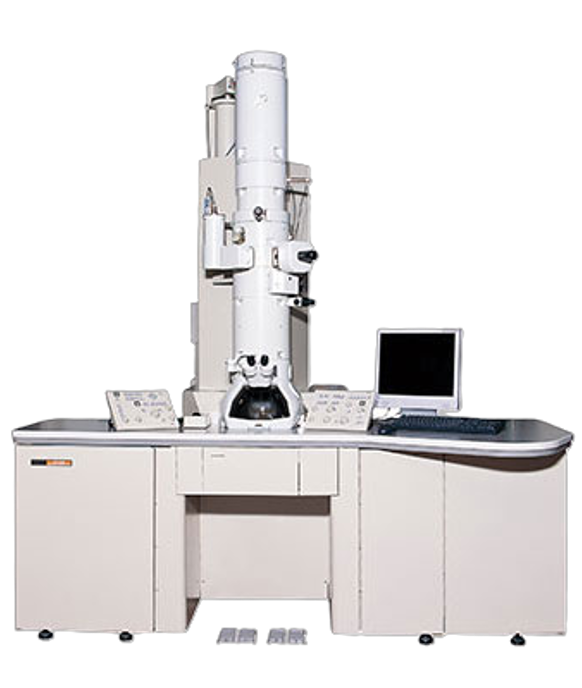
JEOL JEM-2100 TEM
Configuration: 200 kV operation, LaB6 electron source, Direct Electron DE12 camera
Primary uses: in situ TEM holder validation, liquid cell TEM testing, gas cell TEM testing, electrochemistry workflows, biasing workflows, customer demonstrations, applications development, and product testing before shipment whenever applicable.

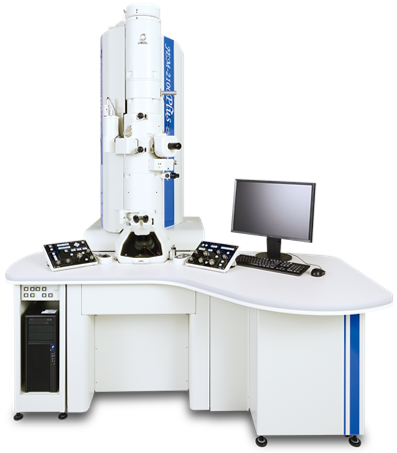
JEOL JEM-2100Plus TEM
Configuration: 200 kV operation, LaB6 electron source, TVIPS TemCam XF416 camera
Primary uses: advanced in situ TEM workflow testing, cryo-holder support, tomography holder evaluation, Precision TEM Stage prototype testing, Cryo-EM Sample Preparation Platform validation, software integration, OEM programs, and custom development.
TEM development and workflow validation capabilities
The TEM Lab supports validation across Hummingbird Scientific’s in situ microscopy portfolio and development programs, including:
- Liquid cell TEM testing
- Gas cell TEM testing
- Electrochemistry TEM workflow development
- Biasing and electrical workflow evaluation
- Cryogenic transfer and cryo-holder workflow support
- Tomography holder evaluation
- Heating and environmental workflow testing
- Custom holder development
- OEM and private-label holder platforms
- Precision TEM Stage prototype testing
- Cryo-EM Sample Preparation Platform validation
- Colibri Platform™ software and metadata workflow integration
By testing systems under real TEM conditions, Hummingbird Scientific can connect design decisions directly to microscope performance, usability, and application requirements.
Why we maintain an internal TEM Lab
Advanced in situ microscopy systems cannot be fully understood through design review, assembly inspection, or bench testing alone. During development, real microscope access gives Hummingbird Scientific a way to evaluate holder behavior, workflow usability, imaging conditions, sample-environment control, software interaction, and application readiness under beam and vacuum conditions.
Hummingbird Scientific uses its internal TEM Lab to generate practical feedback during product development, prototype testing, custom system work, applications support, and selected validation activities. For customers, this means Hummingbird systems are developed with real microscopy use in mind. For OEM partners and grant-funded programs, it provides an internal environment for technical evaluation and iteration before broader deployment.
For customers, this means Hummingbird systems are developed with practical microscopy use in mind. For OEM partners and grant-funded programs, it provides an internal environment for prototype testing, technical validation, and iteration before broader deployment.
Product development and validation
Where TEM-based testing is applicable, Hummingbird Scientific uses its internal TEM Lab to validate products, prototypes, and workflows under real microscope conditions.
This internal validation capability gives our team direct feedback on holder performance, workflow usability, imaging conditions, sample-environment behavior, and application readiness. It also helps identify issues that may not be visible during mechanical assembly, inspection, calibration, or bench testing alone.
Together with engineering review, inspection, calibration, bench testing, documentation, and platform-specific requirements, the TEM Lab helps connect design decisions to real microscope performance.
In-situ holder library
The TEM Lab includes access to Hummingbird Scientific’s in situ holder library, allowing our team to evaluate holders, chips, sample workflows, microscope interfaces, software behavior, and user operation together as complete systems.
The holder library supports cryo, liquid cell TEM, gas cell TEM, heating, biasing, electrochemistry, tomography, bulk liquid electrochemistry, liquid/gas environmental workflows, custom prototypes, OEM platforms, and internal stage development.
Product and prototype development
The TEM Lab supports more than standard product testing. It is also a development environment for Hummingbird Scientific’s next-generation microscopy platforms and custom in situ TEM systems.
Modern in situ microscopy performance depends on the interaction between mechanical design, microfabricated chips, sample preparation, microscope operation, environmental control, electrical control, image acquisition, and user workflow. Hummingbird Scientific uses the TEM Lab to evaluate these pieces together under real microscope conditions.
This internal environment supports development of custom holders, OEM platforms, cryogenic workflows, Precision TEM Stage prototypes, Cryo-EM Sample Preparation Platform technology, and other advanced in situ microscopy systems.
Software, metadata, and Colibri Platform™ integration
The TEM Lab supports Hummingbird Scientific’s software-development efforts by providing an internal environment where hardware, microscope operation, image acquisition, metadata, and user workflow can be evaluated together.
This is important for the Colibri Platform™ strategy. In situ microscopy experiments generate more than images alone. They also depend on experimental context, holder activity, microscope conditions, timing, metadata, and downstream data access. Colibri Platform™ is designed to support open data workflows so researchers can connect in situ microscopy data with the tools, formats, and analysis pipelines that best fit their work.
The TEM Lab allows Hummingbird Scientific to evaluate how software, metadata, hardware activity, and microscopy workflows connect during real experimental use, including:
- Holder workflow integration
- Microscope integration workflows
- Metadata capture
- Experiment setup and user interaction
- Data-management workflows
- Applications testing
- Future automation and open-platform development
The goal is to make Hummingbird systems easier to use, easier to validate, and easier to connect with microscope, laboratory, and data-analysis workflows without limiting researchers to a closed data environment.
Hummingbird Connect™ integration software
OEM, licensing, and private-label development
Hummingbird Scientific’s TEM Lab supports strategic collaboration with microscope manufacturers, instrument companies, sample-preparation companies, and other OEM partners.
Because in situ TEM systems must work inside real microscopes, OEM development requires more than a concept or prototype. It requires careful evaluation of fit requirements, platform interfaces, usability, imaging workflow, holder behavior, software integration, and application value.
The TEM Lab provides an internal environment for evaluating custom holder platforms, private-label systems, licensed TEM technologies, joint development programs, microscope-interface requirements, and Colibri Platform™ software workflow integration before broader partner deployment.
Reducing technical risk for grant-funded instrument development
Internal TEM access reduces technical risk for NIH, SBIR, STTR, DOE, and other funded instrumentation programs by allowing Hummingbird Scientific to test, validate, and iterate microscopy hardware under real beam and vacuum conditions.
This matters because grant-funded microscopy development often depends on showing that a new technology can move beyond concept into practical experimental use.
The Hummingbird TEM Lab supports funded development programs by providing:
- Internal microscope access
- Prototype validation capability
- In situ workflow testing
- Applications support
- Preliminary data generation
- Hardware iteration based on microscope results
- Cryogenic workflow and Cryo-EM Sample Preparation Platform development
- Software and metadata workflow testing
- Integration with engineering, microfabrication, and manufacturing
This internal capability helps Hummingbird execute instrument-development programs with lower risk, faster iteration, and stronger technical feedback.
Customer demonstrations, applications support, and training
Although the TEM Lab is primarily a product validation and development environment, it also supports customer demonstrations, applications support, facility visits, and training.
Customers can use the lab to understand Hummingbird holder workflows, discuss application requirements with Hummingbird scientists and engineers, and see how in situ microscopy systems operate in a real TEM environment.
Supported activities include: product demonstrations, applications discussions, holder workflow review, facility visits, microscope time by arrangement, training support, custom experiment planning, and try-before-you-buy evaluations when appropriate.
Bring validated in situ microscopy capability to your lab
Hummingbird Scientific uses its internal TEM Lab to test and refine the holders, chips, stages, workflows, and software behind our in situ microscopy systems.
Talk with our team about standard products, training options, or custom solutions for your TEM workflow.
Related capabilities and facilities
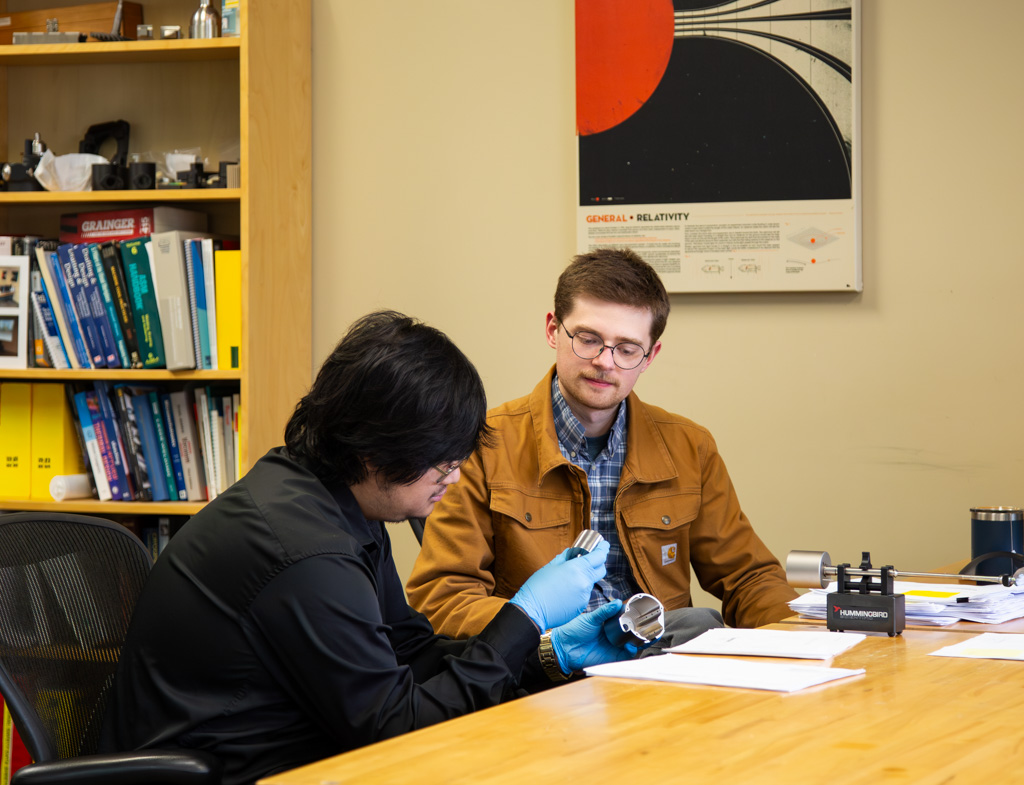
Engineering
From first-principles analysis and 3D CAD to prototyping, testing, and validation, see how Hummingbird develops advanced microscopy systems through integrated engineering, software, electronics, and manufacturing.
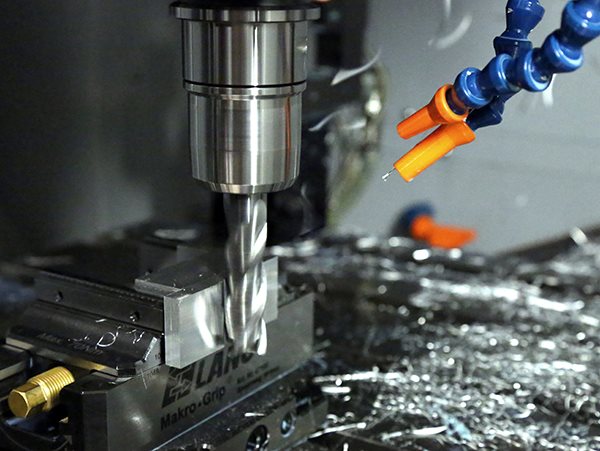
Manufacturing and Assembly
Our precision machine shop is the foundation of our in-house manufacturing, producing high-tolerance components for in situ microscopy. Paired with dedicated assembly and inspection, it ensures every part meets exacting performance and quality standards.
Microfabrication
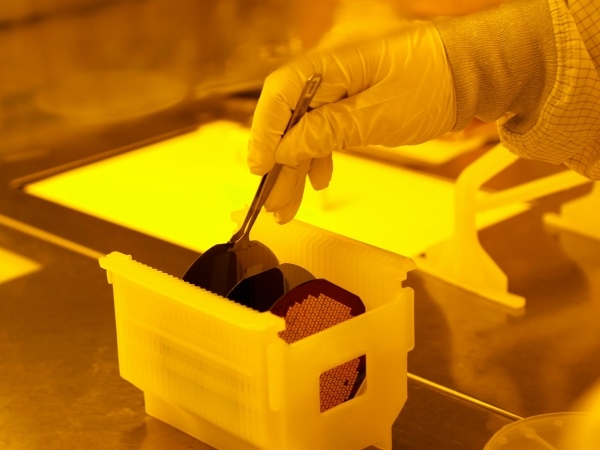
Our work is supported by a dedicated microfabrication division that develops MEMS chips and custom devices for in situ microscopy systems, including gas, liquid, heating, and electrical biasing applications.

Calibration and inspection lab
In our in-house Calibration Lab, we measure thermal, electrical, and magnetic performance to ensure stable, accurate readouts that you can rely on from the start of every experiment.
Cryo-EM lab
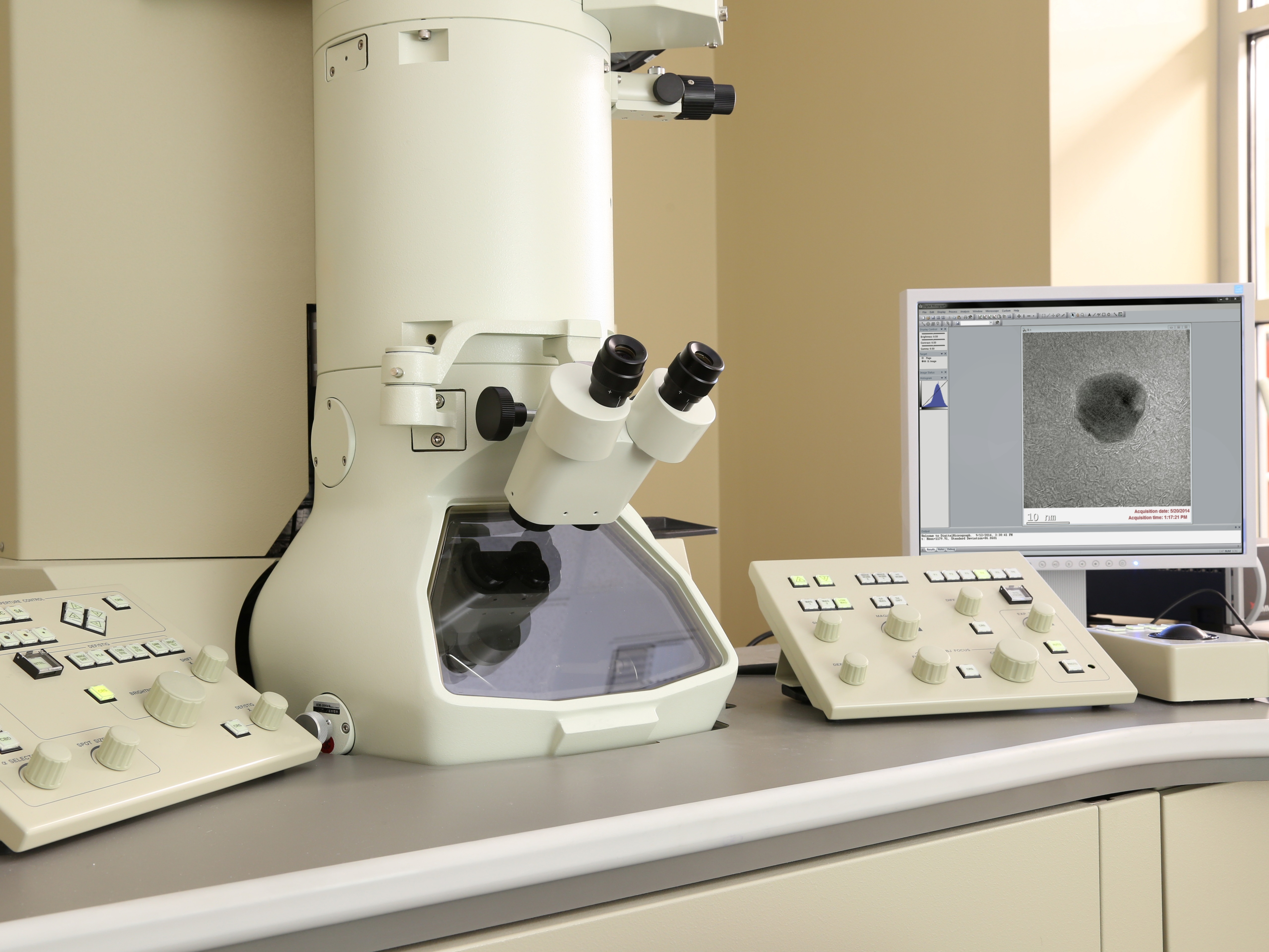
Hummingbird maintains internal TEM and cryo-EM laboratories where products, prototypes, and workflows are developed and validated under real microscope conditions, connecting engineering decisions with practical performance and application needs.