
Partnerships behind specialized in situ microscopy workflows
Hummingbird Scientific works with measurement companies, technology partners, universities, and research laboratories to develop in situ microscopy tools for specialized experiments.
These collaborations connect Hummingbird’s holders, chips, and custom instrument-development capabilities with external expertise in electrochemistry, electronic measurement, plasma science, materials research, and advanced microscopy. The partners below represent selected examples of integrated systems, co-developed technology, and research enabled by Hummingbird hardware.
Integrated technology partners
Companies whose instruments, electronics, software, or systems connect with Hummingbird hardware to support specialized microscopy workflows.
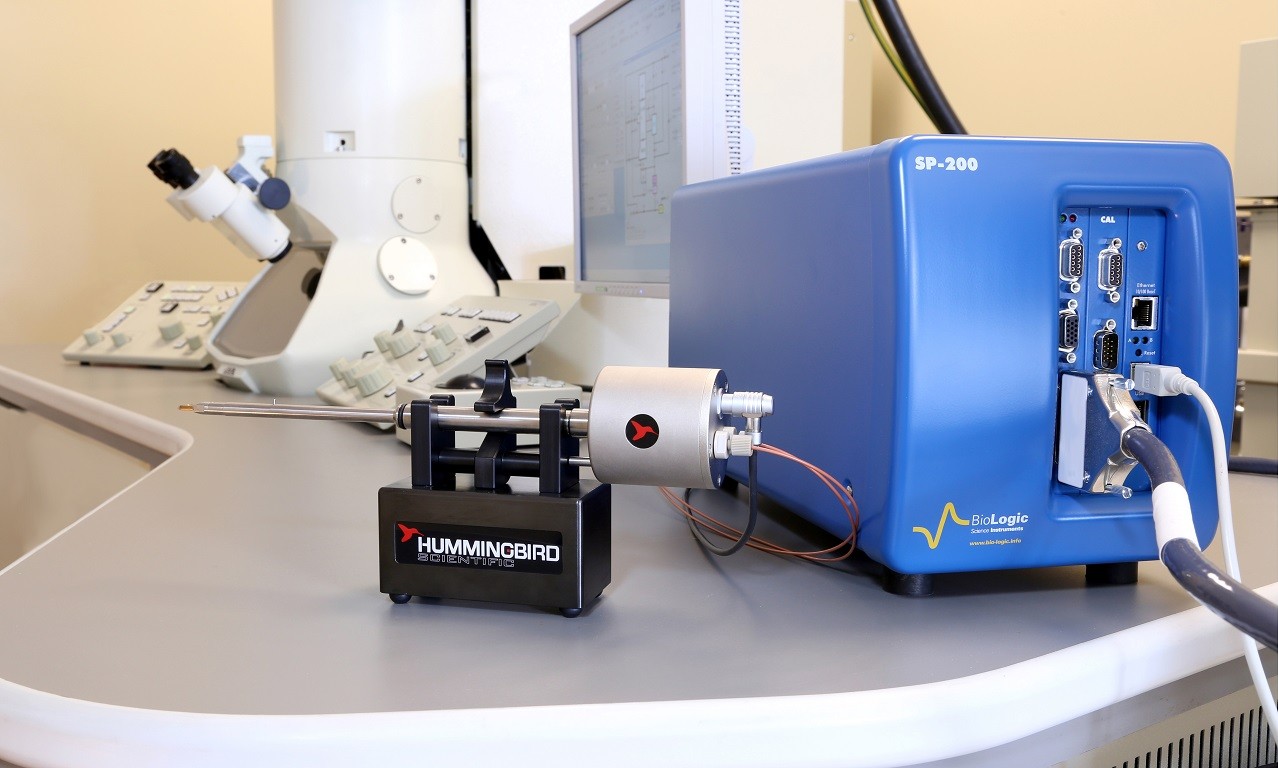

BioLogic
We are proud to offer the Biologic SP-200/300 potentiostat as our recommended potentiostat for electrochemistry experiments. Hummingbird Scientific’s multi-modal set of electrochemistry characterization tools and Biologic’s potentiostat can be used in combination for corrosion experiments, electro-catalysis, electrolysis, and battery and photovoltaic research.
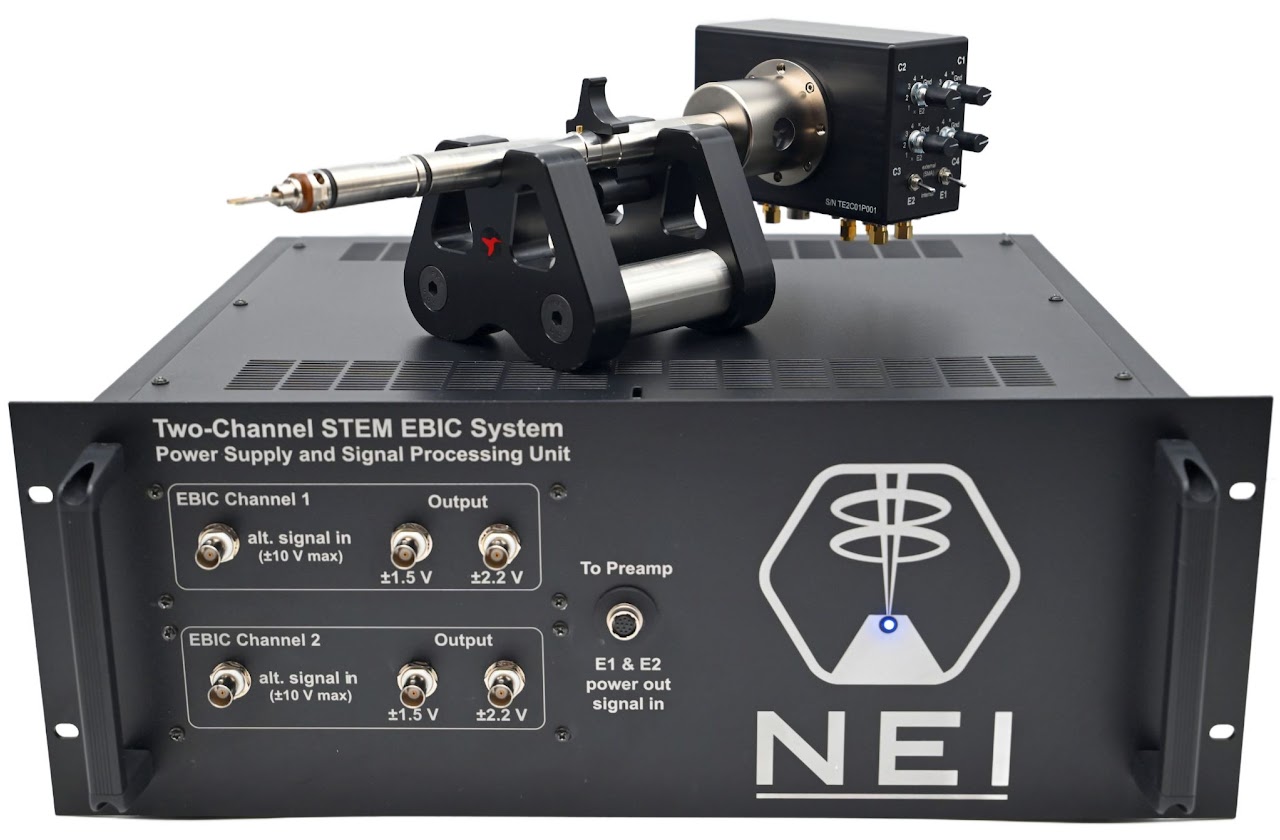

NanoElectronic Imaging, Inc.
Hummingbird Scientific co-developed the NEI Two-Channel STEM EBIC System with NanoElectronic Imaging, combining Hummingbird’s TEM holder engineering with NEI’s low-noise EBIC electronics for correlative electronic, structural, and chemical characterization inside the TEM.
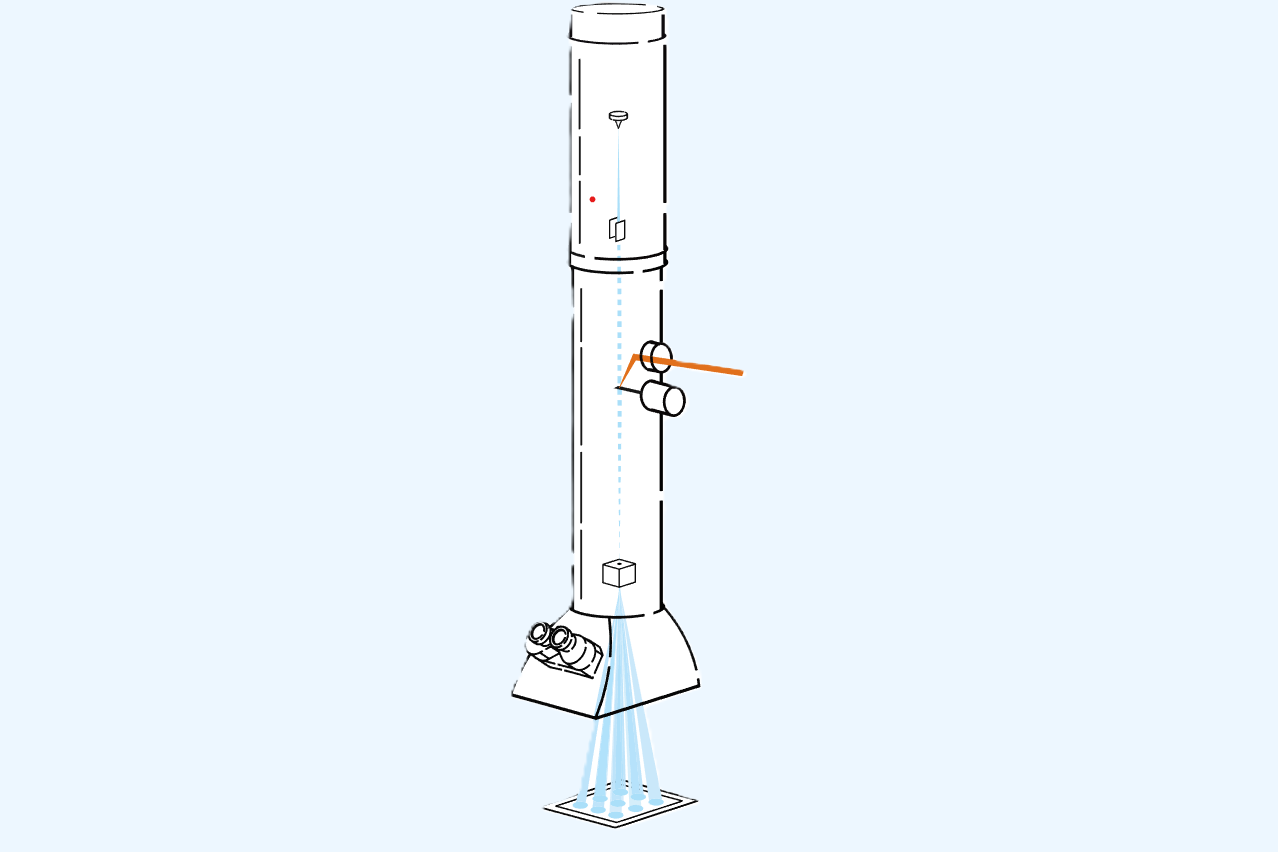

IDES Inc.
Hummingbird Scientific is working with IDES on selected development projects that help JEOL customers build more flexible microscopy workflows.
These efforts include Python-based development, FEMTUS-related integration, microscope-system communication, metadata exchange, custom sequencing, and automation. The work supports more interoperable environments where researchers can connect instruments, software, hardware, and analysis tools around their own experimental objectives, including continued development of Hummingbird Connect™ for JEOL microscope environments.
Current research and grant collaborators
University and laboratory collaborations that connect custom Hummingbird hardware with new in situ microscopy methods.
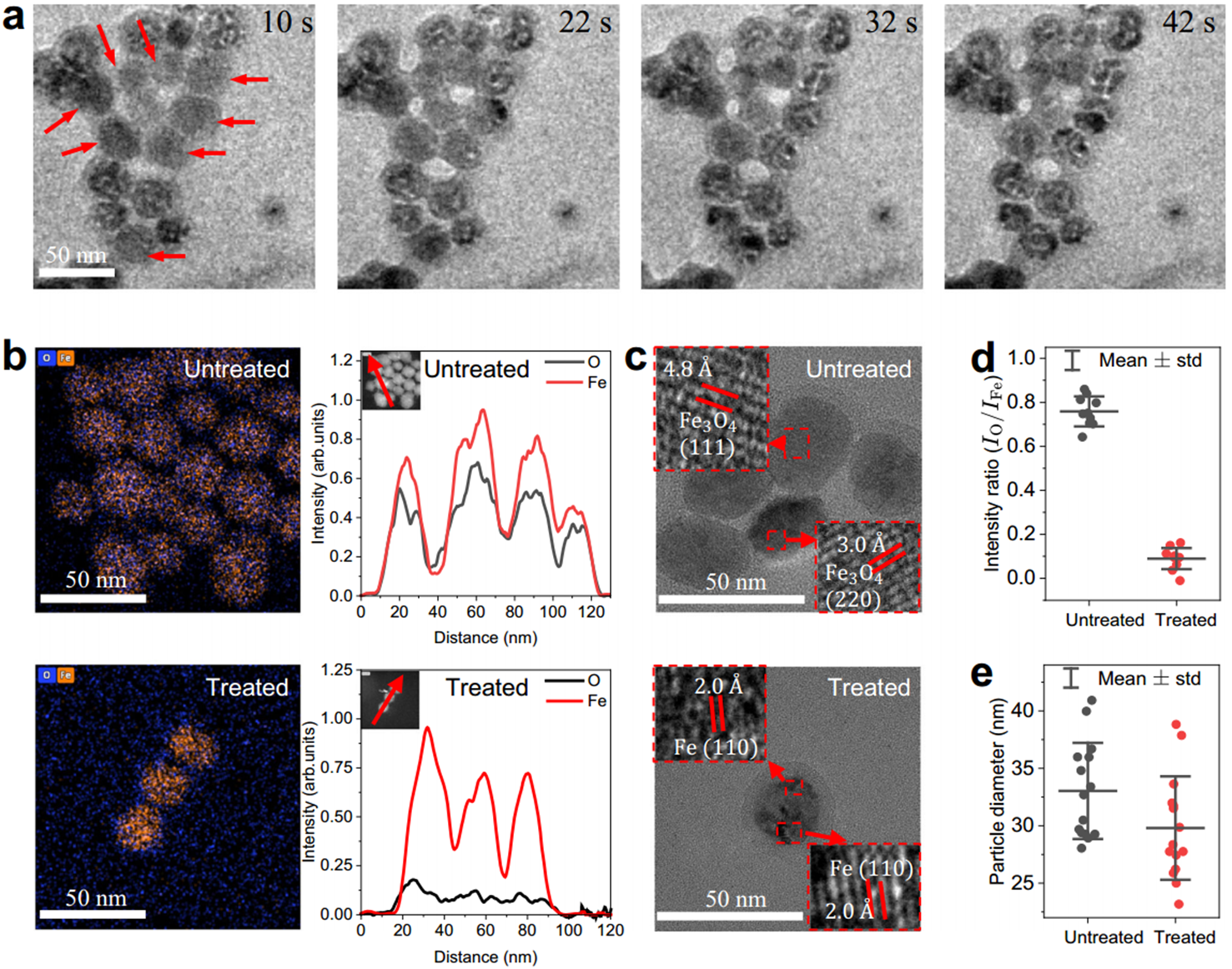

University of Minnesota
Hummingbird Scientific collaborated with University of Minnesota researchers on an operando plasma TEM study published in Nature Communications. The work used a custom plasma TEM holder and plasma chips manufactured by Hummingbird Scientific to directly observe magnetite nanoparticle reduction by non-thermal hydrogen plasma at the nanoscale.
Partner with Hummingbird Scientific
Work with Hummingbird Scientific on custom instrument development, OEM integration, measurement workflows, or research collaborations that require specialized in situ microscopy hardware.