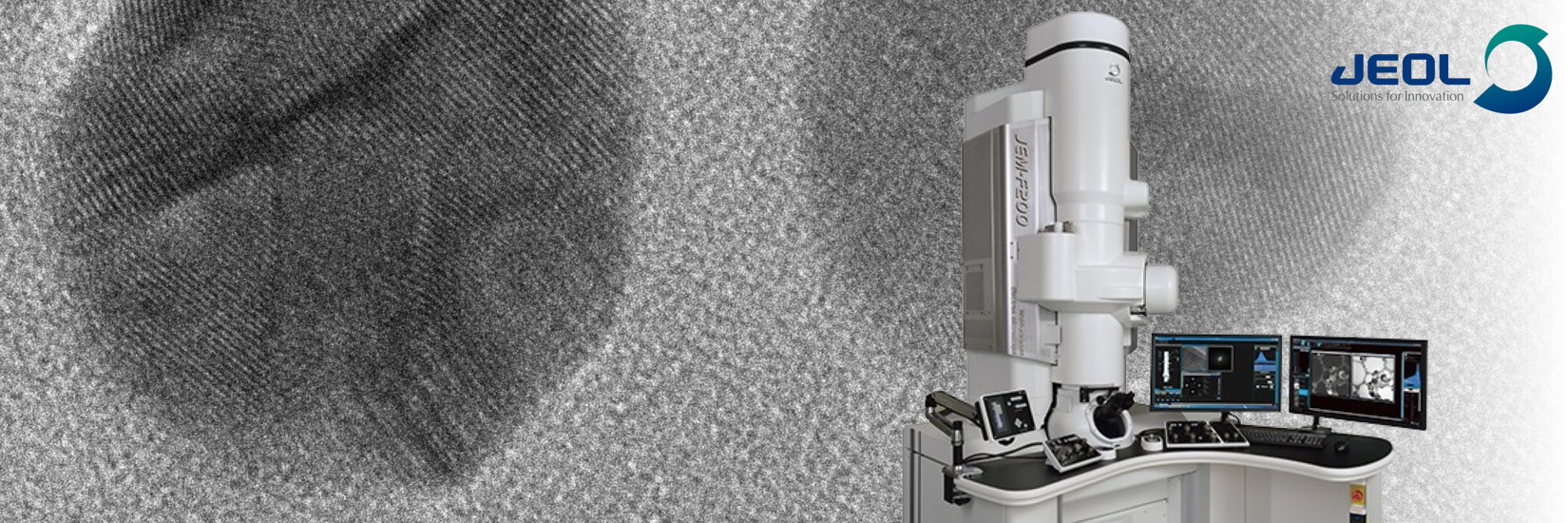

In situ systems for compatible JEOL TEM, STEM, SEM, and FIB-SEM workflows.
Hummingbird Scientific supports compatible JEOL electron microscopes with in situ systems for liquid, gas, heating, electrical biasing, electrochemistry, transfer, tomography, and custom experimental workflows.
Product fit depends on the microscope model, pole-piece, stage or chamber configuration, analytical accessories, and intended experiment. Contact Hummingbird for confirmation of the appropriate system, interface, and purchase path.
Hummingbird products for JEOL microscopes
TEM / STEM products
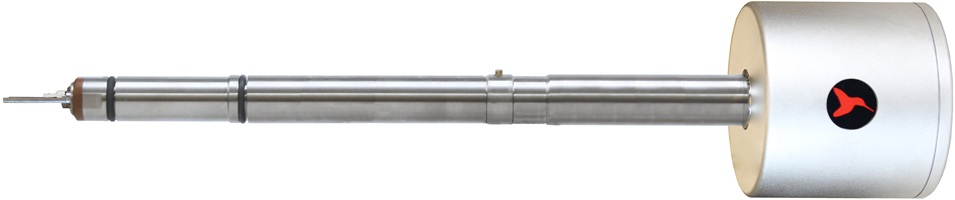
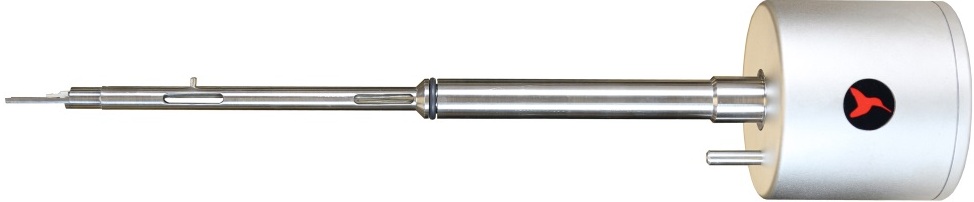
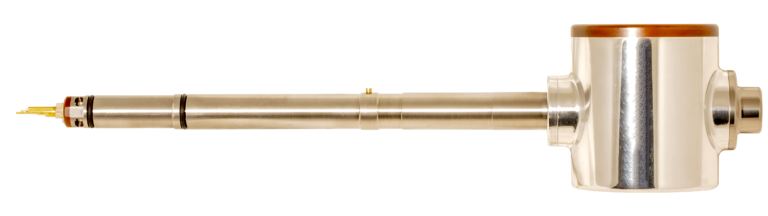
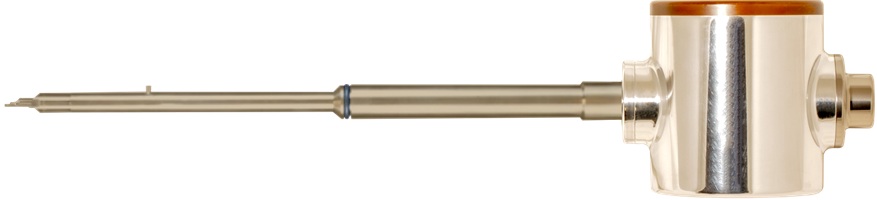
Browse Hummingbird in situ TEM and STEM products available for compatible JEOL microscope configurations, including liquid, gas, heating, electrical biasing, electrochemistry, transfer, tomography, and custom experimental systems.
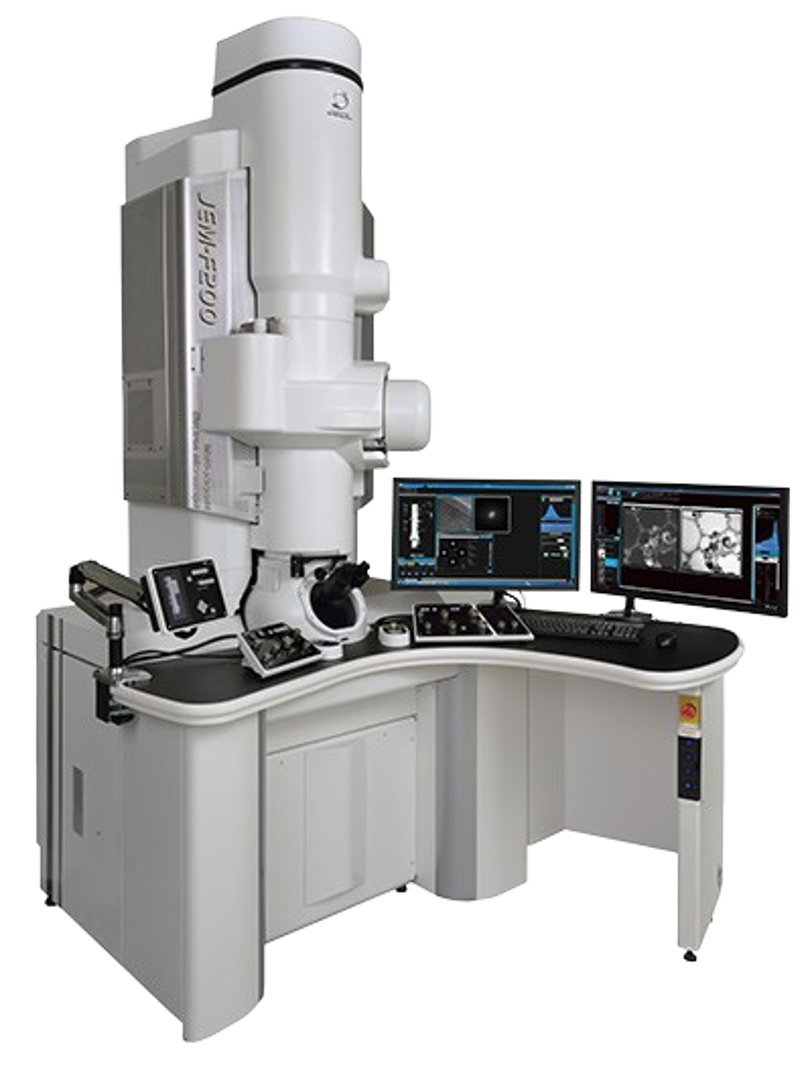
SEM / FIB-SEM products
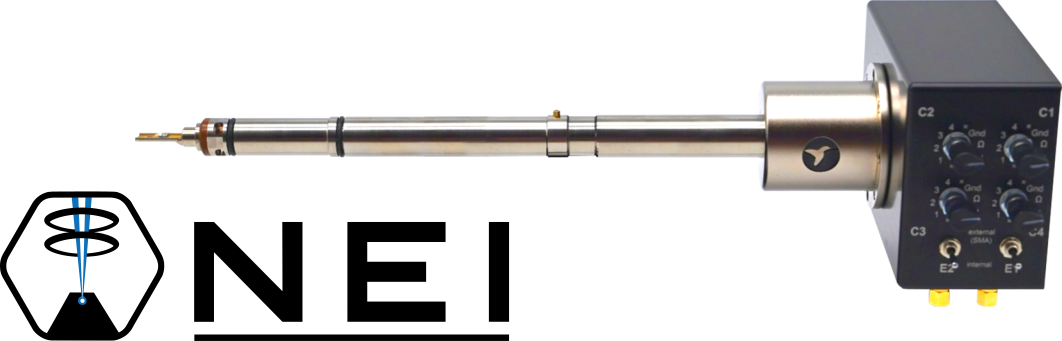
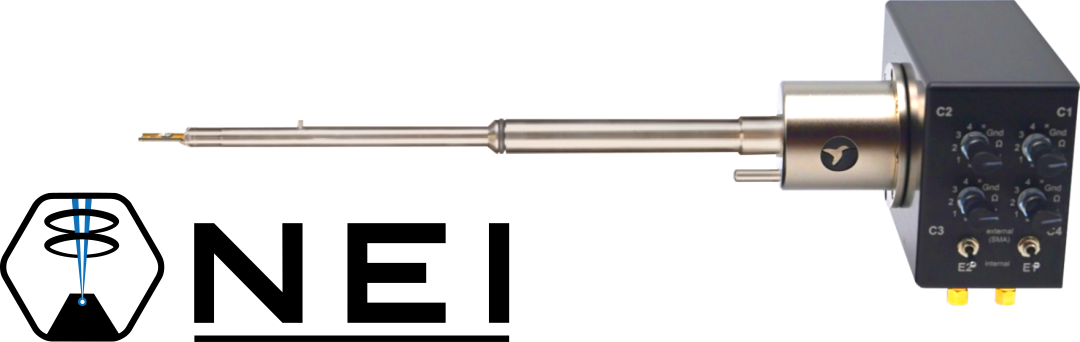
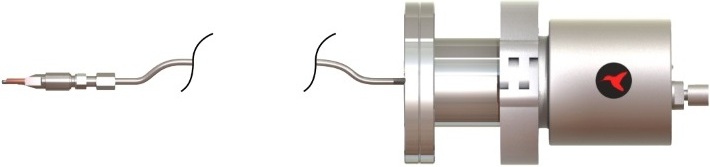
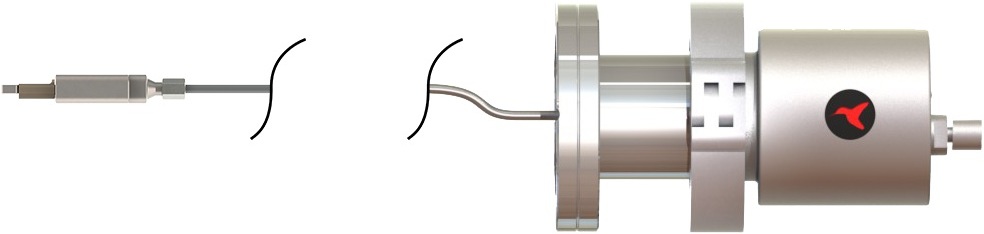
Browse Hummingbird SEM and FIB-SEM systems for compatible JEOL chamber configurations, including liquid, electrochemistry, gas, heating, biasing, and custom chamber-integration options.
How to buy a Hummingbird product for your JEOL microscope
Customers can purchase directly from Hummingbird Scientific. For a new or existing JEOL microscope project, Hummingbird can review the holder, stage, or chamber interface; controller and utility requirements; and any installation or workflow considerations before quotation. Click the button below to request a quote. If you would like to bundle your holder into a quote with a JEOL product, let us know in the form and reach out to your JEOL representative.
Information for OEM sales and applications teams
Supporting a JEOL customer who needs an in situ TEM, STEM, SEM, or FIB-SEM system? Hummingbird can help identify relevant products, review the microscope interface, provide technical specifications and quotation support, and involve applications or engineering staff when the project requires custom integration.
- Full catalog of JEOL-comptatible products.
- Model, chamber, or holder-interface compatibility available upon request.
- Product specifications and quotation support available upon request.
- Hummingbird sales, applications, or engineering personnel available for direct consultation.
Why Hummingbird for JEOL microscopes?
JEOL TEM, STEM, SEM, and FIB-SEM workflows may require more than a standard specimen holder. Hummingbird develops systems around the microscope interface, experimental environment, supporting hardware, and data workflow.
- Built around the microscope: Holder geometry, pole-piece, stage and chamber interfaces, vacuum conditions, analytical access, utilities, and sample handling are considered together.
- Developed in-house: Mechanical and electrical design, precision machining, microfabrication, assembly, controls, calibration, and microscopy testing remain connected.
- Direct technical access: Customers and OEM teams can work directly with the people who design, build, test, and support the system.
- Open workflow path: Hummingbird hardware and data are developed to connect with microscope software, metadata, analytical tools, custom scripting, and future automation.
Cross-platform and custom engineering
Some experiments benefit from observing the same material system across TEM, SEM or FIB-SEM, X-ray, and optical microscopy. For selected liquid, gas, heating, biasing, electrochemistry, and custom workflows, Hummingbird can develop related sample-cell architectures, chips, carriers, and experimental conditions across more than one microscopy method.
Hummingbird’s removable liquid-cell tip architecture already supports correlative workflows across dedicated TEM, SEM, X-ray, and optical holders, allowing the same cell design to be used across complementary measurements.
For JEOL platforms, Hummingbird can evaluate custom TEM holders, SEM and FIB-SEM chamber interfaces, feedthroughs, specimen carriers, transfer tools, controllers, environmental cells, and complete in situ systems when standard configurations are not enough.
Hummingbird Connect™ for JEOL workflows
Hummingbird Connect™ is Hummingbird Scientific’s pathway incorporating in situ hardware data into the microscope workflow. Holder conditions, controller states, experiment settings, timing, and sample information become part of the experimental record instead of remaining separate from acquisition and analysis.
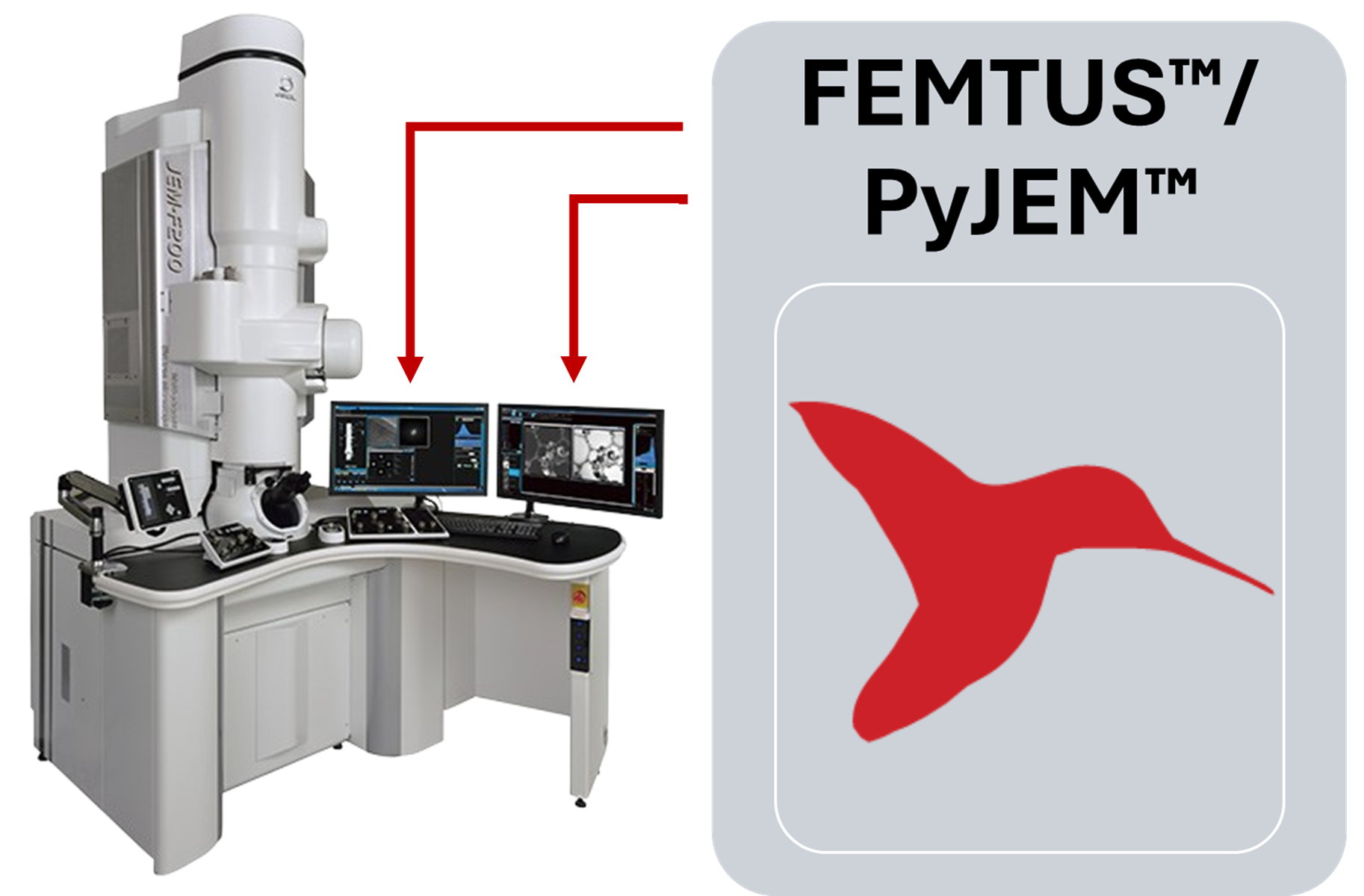
For JEOL platforms, the development path includes PyJEM- and FEMTUS-centered TEM and STEM workflows, IDES Scope Composer, and applicable SEM Center environments. These connections are intended to support aligned metadata, custom scripting, repeatable experiment sequences, and future automation.
Hummingbird works with laboratories, JEOL teams, and integration partners with specific workflow requirements to help define and develop these connections.
PyJEM is JEOL’s Python-based TEM interface, FEMTUS is used within JEOL TEM acquisition and development environments, and SEM Center is used on selected JEOL SEM and FIB-SEM systems.
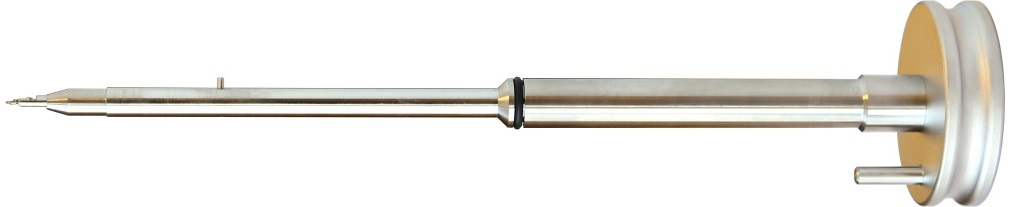
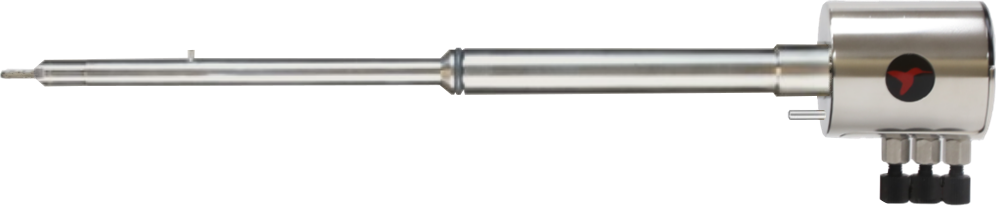
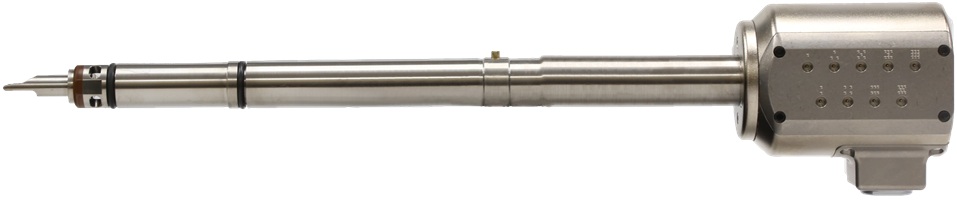
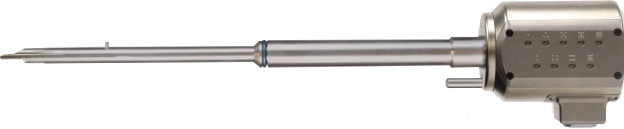
TEM / STEM products for JEOL microscopes












SEM / FIB-SEM products for JEOL microscopes


Frequently asked questions
Which JEOL microscopes are compatible with Hummingbird holders?
Do I need to modify my JEOL microscope to use your in-situ holders?
How do I ensure your holders meet JEOL interface and tolerance requirements?
Can you build a custom sample holder for a unique experiment or non-standard microscope configuration?
What support, training, and chip access do you provide for JEOL users?
Can I bundle a Hummingbird holder with a new JEOL microscope purchase?