When standard holders can't support your experiment
Hummingbird Scientific designs, machines, and validates custom in‑situ instruments for TEM, SEM, and X‑ray microscopy, including holders, MEMS chips, stages, environmental cells, and integrated systems.
Each solution, whether a modified chip geometry or a fully new holder architecture, is built around experiments that standard products cannot support, tailored to your microscope and timeline.

What we can build
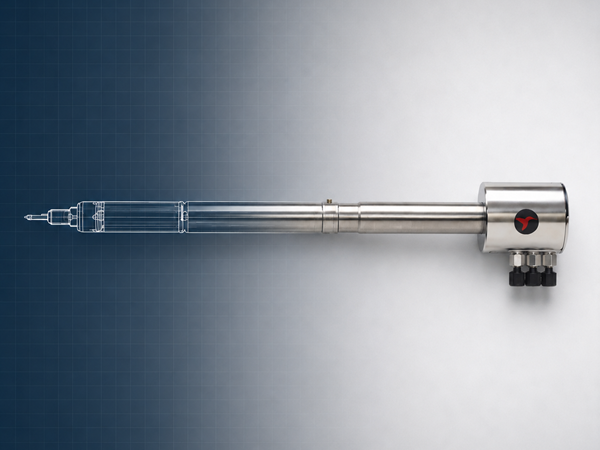
Custom sample holders
Modified standard holders or entirely new architectures. Unique specimen environments, non-standard tilt ranges, combined stimuli, air-free transfer configurations, or microscope-specific integrations across TEM, SEM, and FIB platforms.
Platforms: TEM· SEM · FIB · X-ray
Options: Multi-stimulus · Air-free · Custom tilt
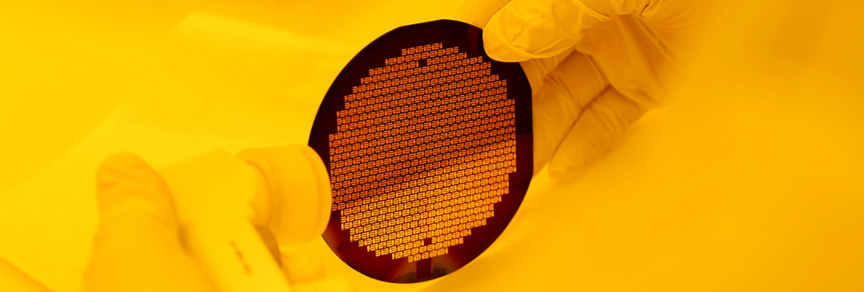
Custom MEMS chips and wafers
Novel electrode geometries and compositions, specialized window materials, custom thermal control layers, integrated fluidic channels, or entirely new device architectures. Designed and fabricated in our cleanroom.
Capabilities: Electrode geometry · Window materials · Fluidic channels · Thermal control
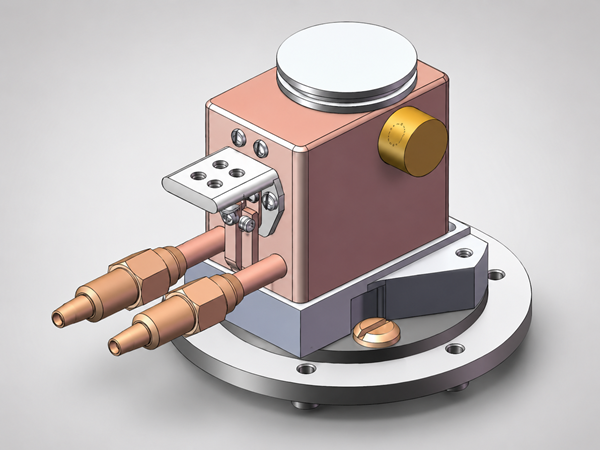
Custom cooling and vacuum systems
Cryogenic configurations, specialized thermal load management, vacuum-compatible assemblies, and environmental control platforms built around experimental conditions that off-the-shelf systems can't reach.
Capabilities: Cryogenic · Thermal management · Vacuum assembly
Why Hummingbird can build what others can't
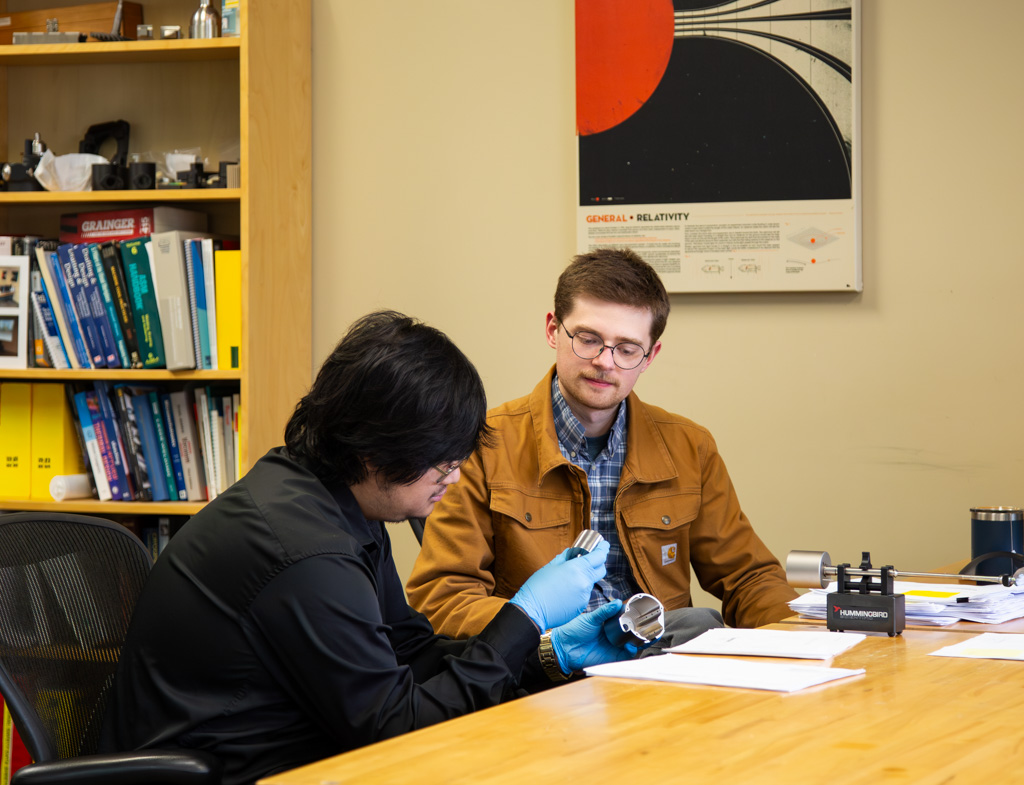
Engineering, from concept to working instrument
Custom in-situ systems are not just CAD modifications. They require mechanical, electrical, thermal, fluidic, and microscope-interface decisions to be solved together. Our engineers work directly with machining, microfabrication, assembly, and applications teams, so feasibility, manufacturability, and experimental performance are considered from the first design review through final validation.
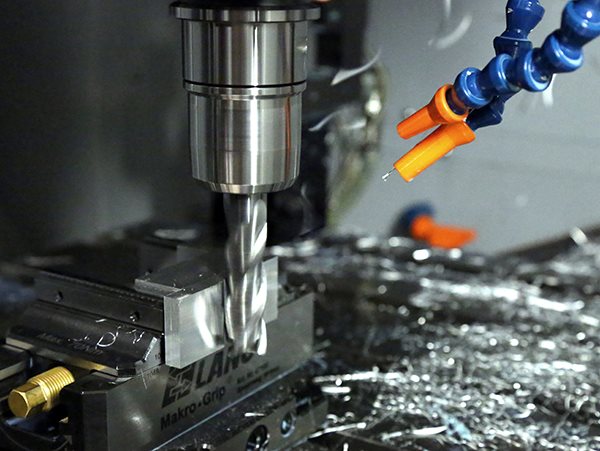
Precision machining and assembly, in-house
Custom holders require tolerances measured in microns — a misalignment of a few microns affects vacuum sealing, drift, and beam alignment. Our machinists work directly with engineers on the same floor, so design changes propagate immediately to the shop without a handoff queue.
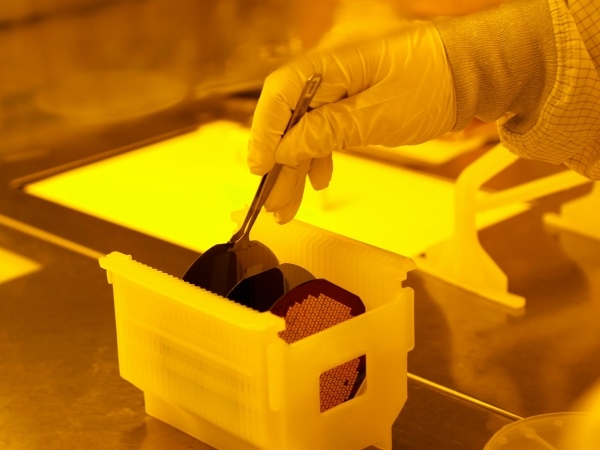
In-house microfabrication
We are the only in-situ holder company with a dedicated microfabrication division. Custom MEMS chips with novel electrode geometries, specialized materials, or unique window sizes can be designed and fabricated without sending out — which means faster iteration and tighter integration with the holder design.

Controlled calibration for custom in-situ systems
A custom system has to do more than fit the microscope. It has to hold alignment, maintain vacuum or environmental control, and produce stable, repeatable data under the conditions it was built for. In our Calibration Lab, we measure and refine thermal, electrical, mechanical, and magnetic performance before delivery, giving each custom project a controlled validation step between assembly and beam testing
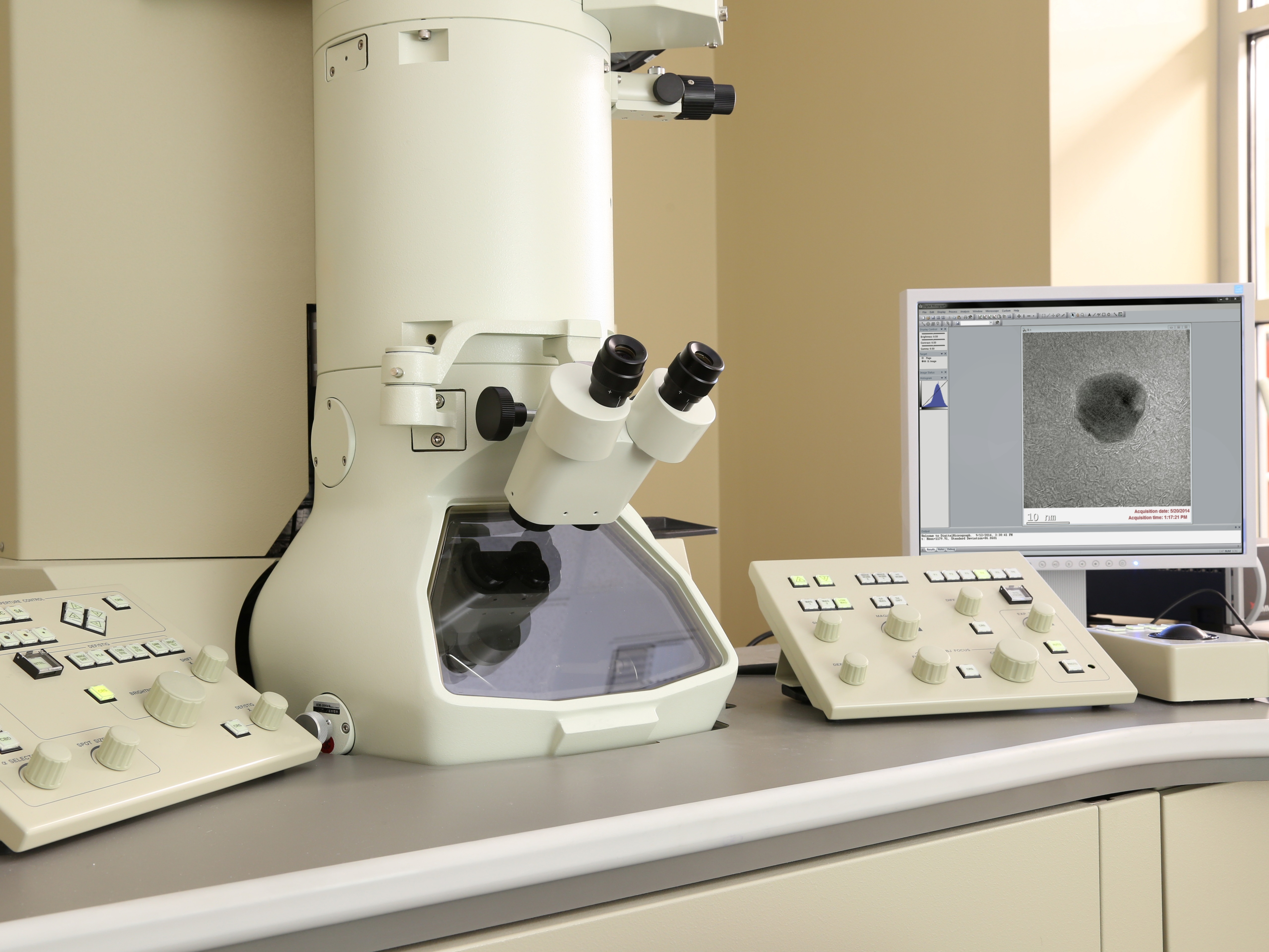
TEM and cryo-EM validation on site
Hummingbird maintains internal TEM and cryo-EM laboratories where products, prototypes, and workflows are developed and validated under real microscope conditions, connecting engineering decisions with practical performance and application needs.
Custom projects that became standard products
TEM Bulk Liquid Electrochemistry holder
Optical liquid electrochemistry platform
Tilt-rotate and tomography holders
MEMS heating and biasing chips
How a custom project works
Describe your experiment
Click on the 'Start building' button to tell us what you're trying to observe, control, or measure — and what's currently preventing it. We start with the science, not a product catalog.
Engineering review
Our team assesses feasibility across mechanical, electrical, fluidic, and chip design dimensions. We'll tell you what's achievable and where the constraints are.
Proposal and scope
We propose a solution with a timeline and cost estimate. Depending on your experimental requirements, we'll customize one of our standard holders for you or build you a completely new system. Custom-built systems are available for all sorts of microscopes, including SEM, TEM, FIB, and X-Ray.
Build and validate
Machining, chip fabrication, assembly, and TEM-lab validation happen in-house. We test under real beam conditions before delivery.
Deliver and support
We ship with full documentation and provide direct technical support throughout the life of the instrument. The team that built it supports it.
Start building your custom solution
Hummingbird develops custom specimen holders and other experiment-specific in-situ microscopy hardware, including MEMS chips, sample clamps, fixtures, tomography components, and integrated systems. Whether you need to adapt an existing platform or develop something entirely new, our custom engineering team can help define the right solution.
Choose an option below to get started.
Frequently Asked Questions:
