An Integrated Cryo-EM Laboratory for Developing the Next Generation of Cryogenic Workflows
The Hummingbird Scientific Cryo-EM Lab provides a complete development environment for designing, validating, and optimizing cryogenic microscopy workflows. Equipped with a JEOL JEM-2100Plus TEM, LN₂ cryo holders, custom cryogenic workstations, and prototype sample preparation systems, the lab enables rapid iteration and real-world testing of new technologies.

Cryo-EM and workflow infrastructure
Hummingbird Scientific's Cryo-EM Lab combines advanced microscopy, cryogenic handling systems, and prototype development tools into a single integrated environment. Rather than evaluating individual devices, we develop and validate complete cryo-EM workflows from sample preparation and transfer through TEM imaging and data collection.
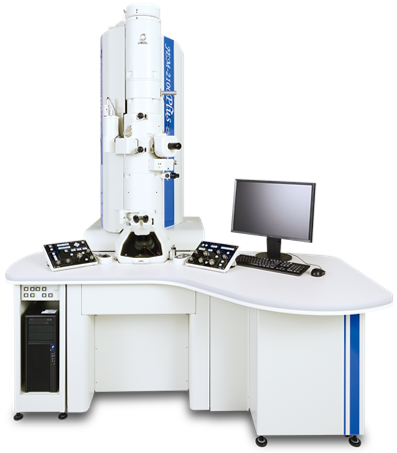
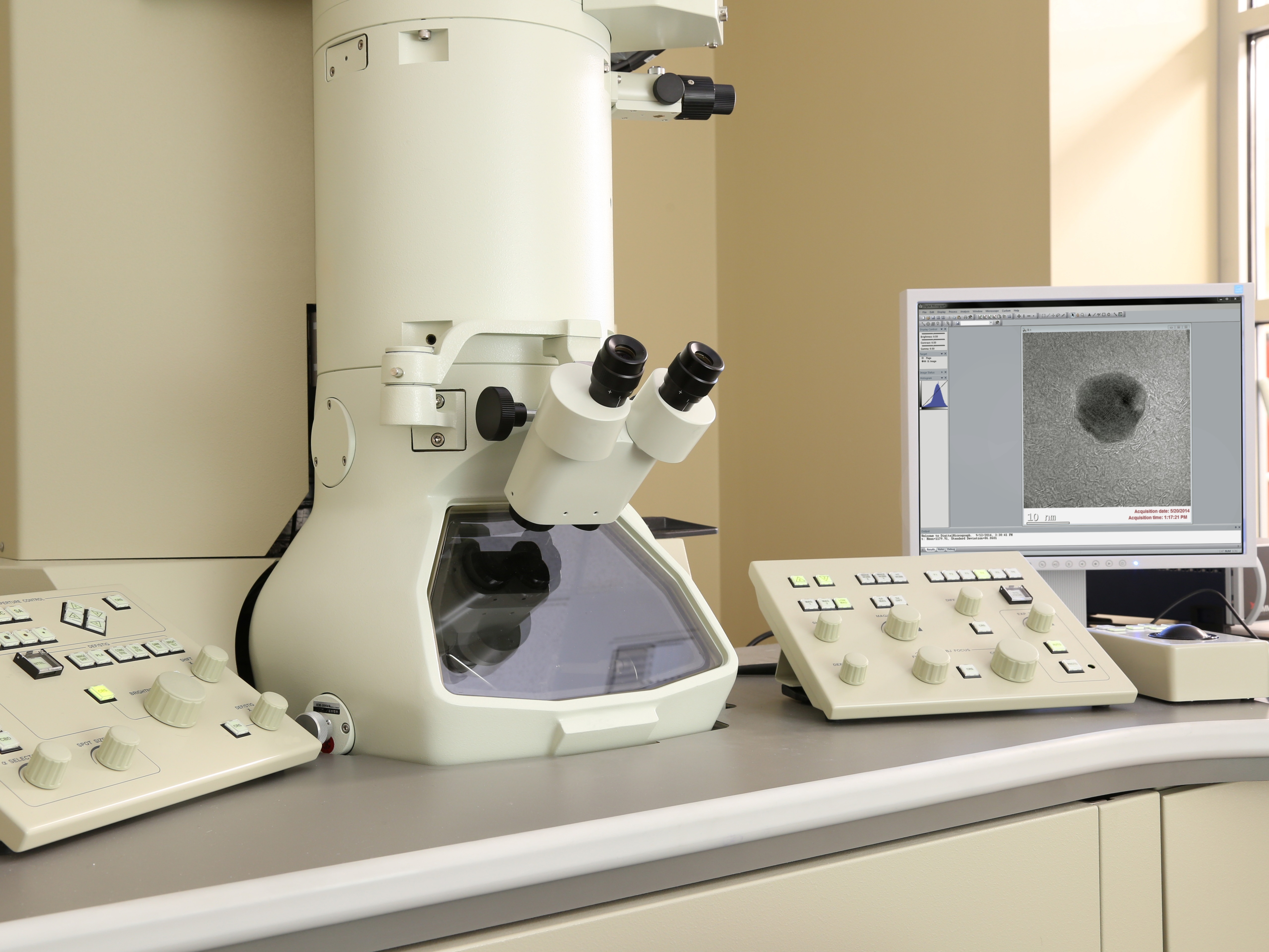
JEOL JEM-2100Plus TEM
Configuration: 200 kV operation, LaB6 electron source, TVIPS TemCam XF416 camera
Primary cryo-EM uses: Vitrified sample screening, cryo-holder testing, drift and stage stability characterization, prototype hardware evaluation, and cryogenic sample preparation hardware and workflow development.

Cryogenic workflow tools
The lab also includes liquid nitrogen cryo holders, cryogenic transfer and handling tools, Hummingbird Scientific's cryogenic workstations, prototype sample preparation systems, and dedicated cryogenic sample preparation facilities.
Together, these resources enable end-to-end evaluation of cryogenic workflows, including sample application, thinning, vitrification, cryogenic transfer, optimization of imaging conditions and sample quality, and hardware performance validation.
Integrated Cryo-EM development capabilities
The Cryo-EM Lab supports the development and validation of Hummingbird Scientific's cryogenic microscopy technologies through close collaboration between engineering, applications, manufacturing, microfabrication, and software development teams. Current development areas include:
- Cryo-EM sample-preparation workflow development
- Fast-freezing technology development
- Frozen sample screening and imaging optimization
- Cryogenic workstation and workflow development
- Custom cryogenic instrumentation development
- Microscope integration, compatibility, and interface validation
- OEM and private-label cryogenic platform development
- NIH, SBIR, STTR, and other funded instrument-development programs
Through direct experimental validation and continuous feedback, Hummingbird Scientific rapidly iterates and improves cryogenic workflows and hardware to deliver the best user experience and experimental results.
Why we maintain an internal Cryo-EM Lab
Cryo-EM technologies and workflows cannot be fully developed through design iteration and benchtop testing alone. Successful workflows depend on every stage of the process: sample preparation, freezing, cryogenic handling, cryogenic TEM transfer, frozen sample screening, and user operation all contribute to experimental success.
Unlike shared microscopy facilities that primarily support users, the Hummingbird Scientific Cryo-EM Lab is a dedicated engineering and development environment where new cryogenic technologies are designed, tested, and refined under real experimental conditions. By integrating engineering, manufacturing, and applications in one facility, we rapidly iterate new hardware and workflows based on direct experimental feedback.
For collaborators, OEM partners, and funded development programs, the lab provides an internal environment for moving cryo-EM technologies from concept to prototype, from prototype to microscope feedback, and from microscope feedback to improved hardware and workflows.
Integrated engineering and development
Cryo-EM technology development requires rapid iteration between design, manufacturing, tesing, and evaluation. At Hummingbird Scientific, these capabilities are connected within one organization.
When prototype performance falls short of expectations, we examine the complete cryogenic workflow to identify the root cause and optimize the hardware, software, and operating procedures. That full-system view is essential for developing reliable cryo-EM tools.
Building the Cryo-EM Sample Preparation Platform
Hummingbird’s Cryo-EM Lab supports development of the Cryo-EM Sample Preparation Platform: a connected workflow for preparing, transferring, and screening cryogenic samples.
The platform is designed around the entire sample preparation workflow rather than a single freezing step. Ice thickness, blotting artifacts, air-water interface effects, sample loss, preferred orientation, contamination during transfer, and operator variability can all determine whether a vitrified sample is suitable for high-quality Cryo-EM imaging.
Current development includes:
- Ultrafast freezing technology
- Cryogenic sample handling
- Cryogenic workstations
- Cryo-holder integration
- Workflow automation
- Hardware and software integration
- Data collection and workflow optimization
- Open integration with microscope and laboratory workflows
This approach helps Hummingbird improve sample-preparation tools around real cryo-EM workflow requirements, not just isolated hardware performance.
Cryogenic handling and transfer workflows
Cryogenic handling requires careful attention to both hardware design and workflow. Intuitive handling, contamination control, temperature stability, and ergonomic operation are all essential for preserving sample quality and ensuring reliable, repeatable results.
The Cryo-EM Lab enables Hummingbird Scientific to evaluate cryogenic handling workflows under real experimental conditions using Hummingbird-designed workstations, transfer tools, and prototype hardware. This allows engineers to optimize sample handling, cryogenic transfer, and holder loading while minimizing contamination exposure and improving usability, reliability, and workflow efficiency.
Microscope feedback and frozen sample screening
The JEOL JEM-2100Plus TEM gives Hummingbird Scientific direct microscope feedback during cryogenic workflow development.
Frozen sample screening helps show whether a workflow is producing usable results and where problems may be coming from: freezing, transfer, contamination, holder behavior, microscope interface, or user handling.
This feedback helps guide the next design revision, so cryogenic workflow improvements are based on real microscope results rather than bench performance alone.
Sample-preparation support
The Cryo-EM Lab includes dedicated sample-preparation facilities that support practical workflow-development activities, including grid or device preparation, buffer preparation, prototype freezing experiments, and sample-handling evaluation.
This support helps connect biological and chemical sample-preparation steps with the cryogenic hardware, transfer tools, and microscope workflows being developed by Hummingbird Scientific.
Grant-funded cryo-EM instrument development
Grant-funded instrument-development programs often need more than a promising concept. They need a path to feasibility data, prototype testing, technical risk reduction, and workflow-based evidence.
The Cryo-EM Lab supports this work by giving Hummingbird internal access to:
- Cryo-EM sample-preparation development
- Fast-freezing prototype testing
- Cryogenic handling workflows
- Frozen sample screening
- Microscope feedback
- Preliminary data generation
- Technical risk reduction
- Engineering iteration
This helps support NIH, SBIR, STTR, and other funded programs from early feasibility through technology translation.
OEM, licensing, and private-label development
The Cryo-EM Lab supports collaboration with microscope manufacturers, life-science instrument companies, sample-preparation companies, and other OEM partners.
Because cryo-EM sample preparation depends on the full workflow, new technology is difficult to evaluate in isolation. Freezing performance, cryogenic handling, transfer workflow, holder stability, microscope compatibility, contamination control, software behavior, and user operation all affect whether a system is ready for broader use.
Hummingbird can support licensing, private-label development, co-development, and custom OEM integration for fast-freezing systems, ultrafast vitrification workflows, LN₂ cryo-holder integration, licensed cryo-EM sample-preparation technology, and related cryogenic microscopy instrumentation.
Partner with Hummingbird Scientific on cryo-EM technology
Hummingbird Scientific is developing cryo-EM sample-preparation, fast-freezing, cryogenic handling, cryo-holder, and cryogenic workflow technologies for advanced microscopy applications.
We welcome conversations with research collaborators, NIH-funded development partners, microscope OEMs, life-science instrument companies, and strategic partners interested in licensing, private labeling, co-development, or custom cryogenic microscopy systems.
Related capabilities and systems
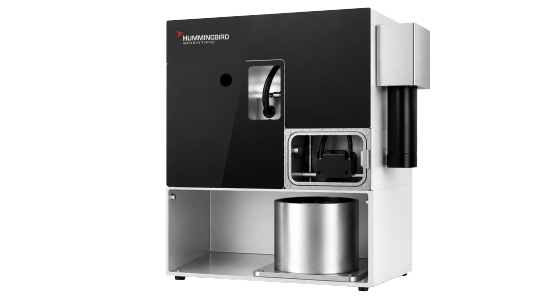
Cryo-EM Sample Preparation Platform
Hummingbird is building toward a connected cryo-EM platform that links freezing, cryogenic handling, holder workflows, microscope feedback, and future automation.
Engineering
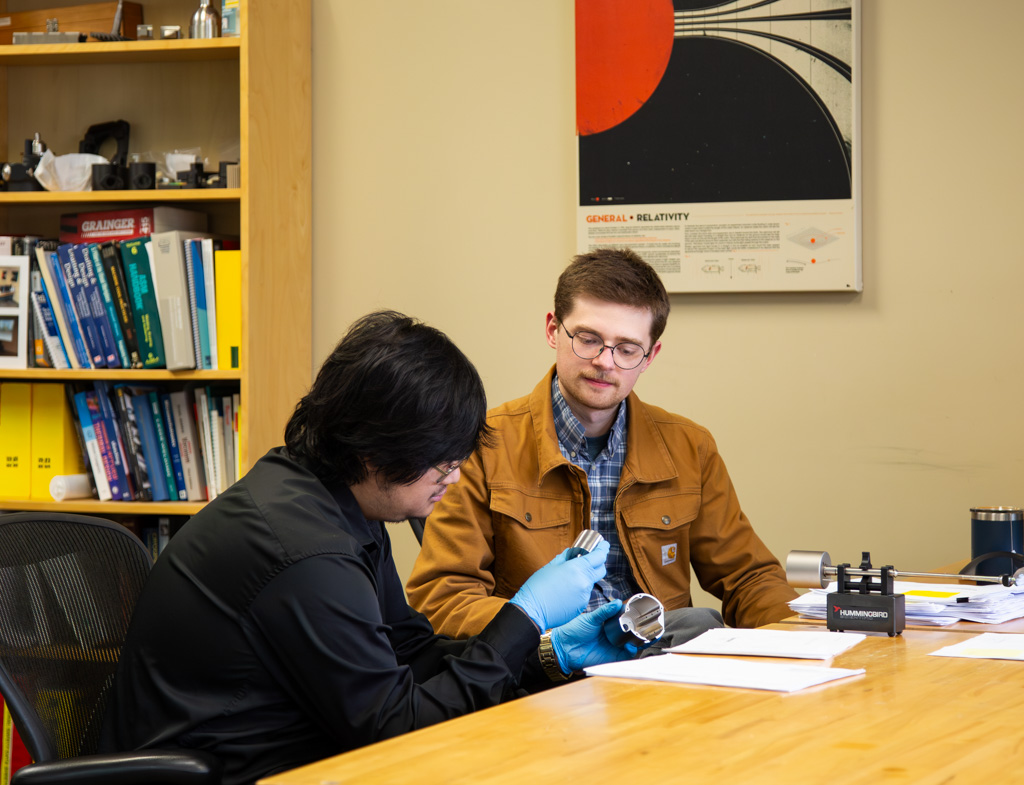
From first-principles analysis and 3D CAD to prototyping, testing, and validation, see how Hummingbird develops advanced microscopy systems through integrated engineering, software, electronics, and manufacturing.
Manufacturing and Assembly
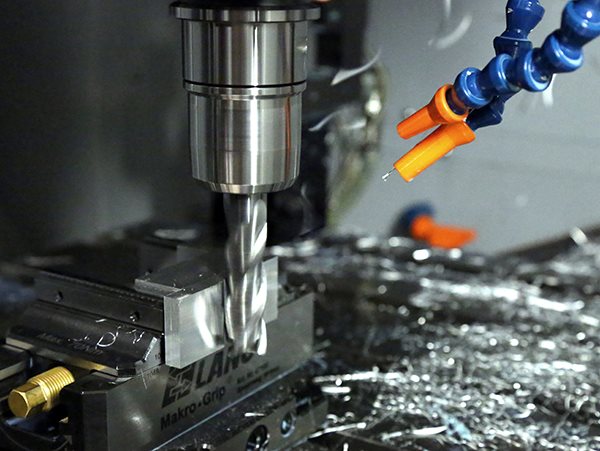
Our precision machine shop is the foundation of our in-house manufacturing, producing high-tolerance components for in situ microscopy. Paired with dedicated assembly and inspection, it ensures every part meets exacting performance and quality standards.
In-house microfabrication
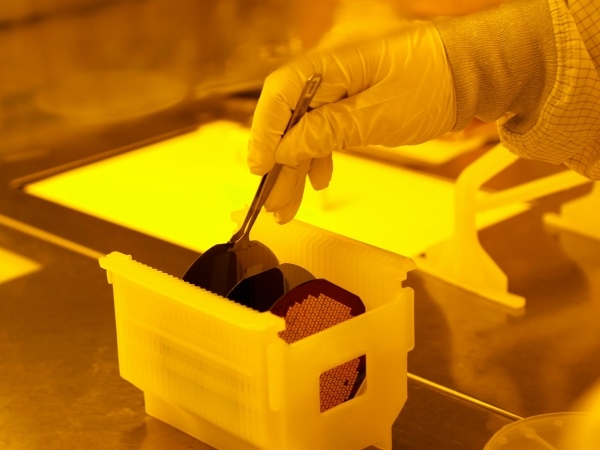
Our work is supported by a dedicated microfabrication division that develops MEMS chips and custom devices for in situ microscopy systems, including gas, liquid, heating, and electrical biasing applications.

Calibration and inspection lab
In our in-house Calibration Lab, we measure thermal, electrical, and magnetic performance to ensure stable, accurate readouts that you can rely on from the start of every experiment.
TEM Lab
Hummingbird maintains internal TEM and cryo-EM laboratories where products, prototypes, and workflows are developed and validated under real microscope conditions, connecting engineering decisions with practical performance and application needs.