Precision hardware built in-house for demanding in situ microscopy experiments.
Hummingbird Scientific builds in situ microscopy hardware in a vertically integrated environment where engineering, machining, assembly, inspection, calibration, and microscope validation stay connected.
This internal capability supports TEM, SEM, X-ray, cryo, gas, liquid, heating, biasing, electrochemistry, magnetizing, tomography, optical-access, and nano-manipulation workflows, helping Hummingbird refine designs quickly and build reliable systems for demanding in situ microscopy experiments.

Advantages of in-house machining and assembly
Hummingbird’s manufacturing model is vertically integrated, so precision machining, assembly, inspection, calibration, and microscope validation are part of the same development process. Engineers and machinists can work through tolerances, material choices, fixture design, and assembly constraints while the hardware is being built, not after issues appear later.
That matters because in situ microscopy hardware has to perform as a complete system. Sealing, fluid delivery, wiring, sensors, heating, chip alignment, motion stability, and microscope-facing geometry all affect whether an instrument is reliable in use.
This gives Hummingbird practical advantages that directly affect product quality:
- Designs improve through real build feedback. Machining, assembly, calibration, and service experience can inform future product revisions.
- System-level details stay connected. Mechanical, vacuum, fluidic, electrical, thermal, optical, magnetic, and cryogenic requirements are evaluated as parts of one instrument.
- The system is refined around real microscopy workflows. Machining, assembly, calibration, microscope validation, and customer-use feedback help improve how the hardware fits, seals, connects, moves, and performs in the experiment.
- We support custom work. In-house engineering, machining, assembly, inspection, and validation make it possible to support nonstandard holders, fixtures, chip interfaces, and microscopy workflows.
The result is hardware that can be built, inspected, revised, validated, and supported by the same team that understands the experiment.
Our machining and assembly capabilities
Precision machining for microscopy-specific hardware
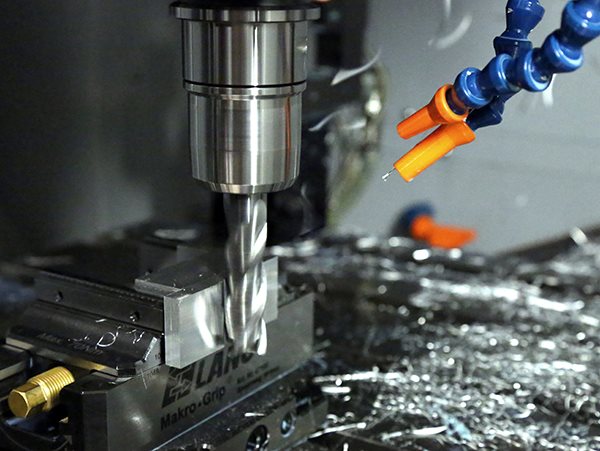
Hummingbird’s machine shop produces the precision parts behind reliable in situ microscopy systems, including holder bodies, stage components, chip interfaces, environmental-cell parts, fluidic paths, electrical feedthroughs, fixtures, and custom microscopy hardware.
These parts are built for microscopy workflows where small details can affect vacuum behavior, drift, electrical stability, fluid delivery, thermal response, and user handling.
Key capabilities include:
- Close-tolerance machining for holders, stages, fixtures, and sample interfaces
- Sealing surfaces, O-ring interfaces, and vacuum-compatible part geometry
- Fluidic, electrical, thermal, cryogenic, magnetic, and optical-access hardware
- Materials such as stainless steel, titanium, ceramics, polymers, glass, nonmagnetic materials, and silicon-chip interfaces
- Direct machinist-engineer feedback to improve manufacturability, assembly, inspection, calibration, and reliability
Controlled assembly of complex in situ systems
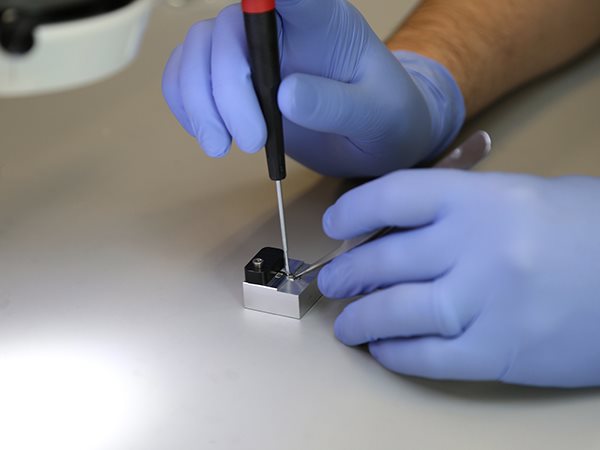
Assembly turns precision parts, microfabricated chips, seals, tubing, wiring, sensors, heaters, electrodes, optical interfaces, cryogenic components, and control hardware into working in situ microscopy systems.
Hummingbird’s on-site assembly capability supports repeatable builds across:
- TEM, SEM, and X-ray holders
- Liquid, gas, heating, cooling, biasing, and electrochemistry systems
- Cryo-EM tools and cryogenic transfer workflows
- Magnetizing, tomography, optical-access, and nano-manipulation platforms
- Precision TEM Stage systems, prototypes, and custom instrument programs
The goal is not just mechanical fit. The goal is hardware that can be handled, connected, inserted, calibrated, validated, and used reliably in a real microscopy workflow.
Inspection, calibration, and microscope validation
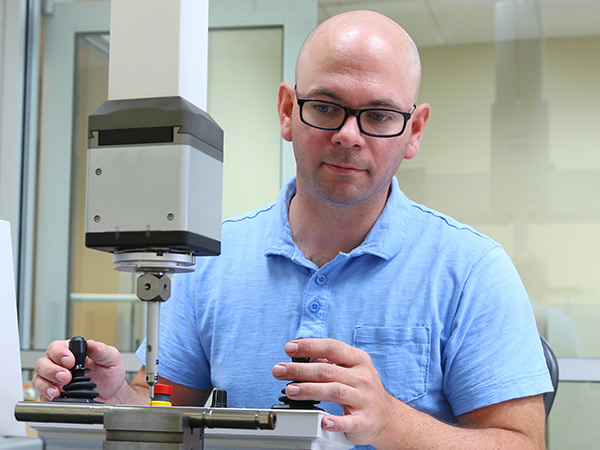
Inspection is built into the process before parts and assemblies move toward calibration, microscope validation, shipment, or deployment.
Hummingbird checks the details that can directly affect product reliability, including:
- Tolerance stack-ups
- Seal compression and vacuum-critical surfaces
- Chip alignment and sample-interface geometry
- Fluidic paths and feedthrough interfaces
- Electrical isolation, routing, and continuity
- Thermal, cryogenic, magnetic, optical, and motion-critical interfaces
When an issue appears, the same team can connect it back to machining, assembly, fixture design, part geometry, material choice, documentation, calibration data, or microscope testing.
For customers, this means Hummingbird products are not just designed in theory. They are built, inspected, tested, and refined by teams that understand how the hardware has to perform in the experiment.
Built across the Hummingbird product family
The Manufacturing and Assembly Shops support Hummingbird’s standard products, custom systems, prototypes, and OEM-style microscopy development programs.
- TEM, SEM, and X-ray holders
- Gas, liquid, electrochemistry, heating, biasing, cooling, cryo, magnetizing, tomography, optical-access, and nano-manipulation workflows
- Microfabricated chip interfaces and controller hardware
- Precision TEM Stage systems
- Cryo-EM Sample Preparation Platform, cryo-EM tools, and custom in situ microscopy platforms
When a product requires stable sample positioning, vacuum sealing, microfluidic routing, electrical isolation, controlled heating, cryogenic handling, optical access, magnetic materials control, or microscope-compatible geometry, Hummingbird’s internal manufacturing capability helps build these support systems.
Need a standard product or a custom in situ microscopy workflow?
Hummingbird’s vertically integrated engineering, manufacturing, microfabrication, calibration, and microscope-validation teams can help match the right holder, chip, controller, stage, or custom system to your experiment.
Related capabilities and facilities
Engineering
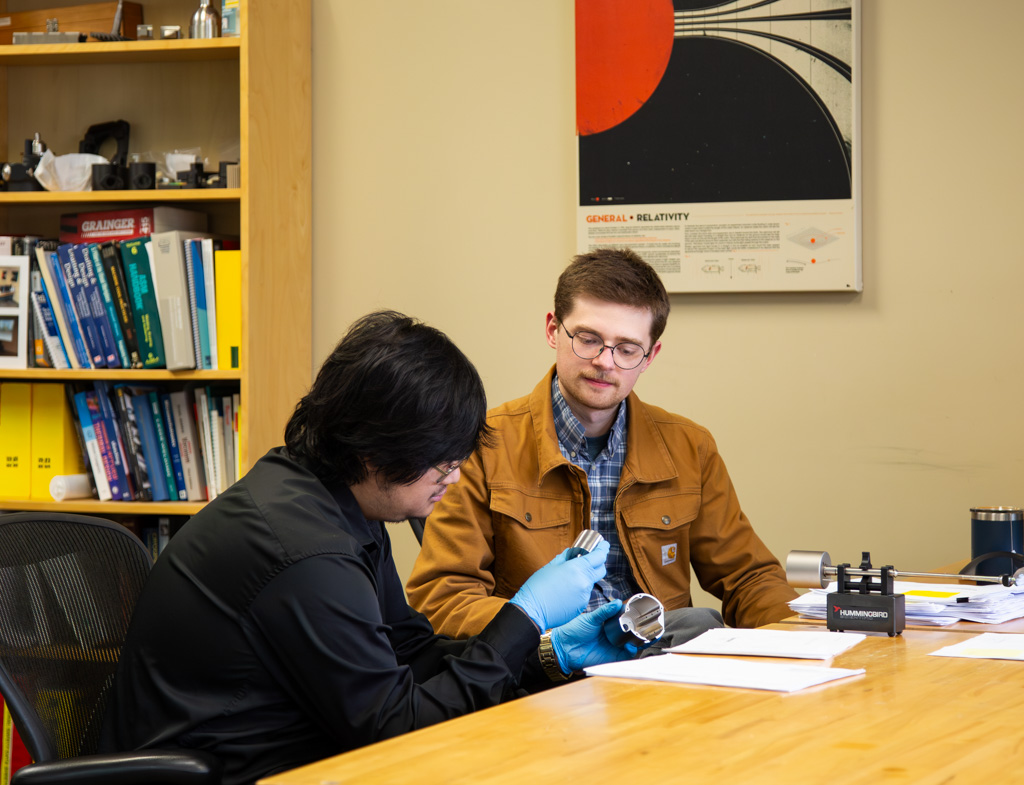
From first-principles analysis and 3D CAD to prototyping, testing, and validation, see how Hummingbird develops advanced microscopy systems through integrated engineering, software, electronics, and manufacturing.
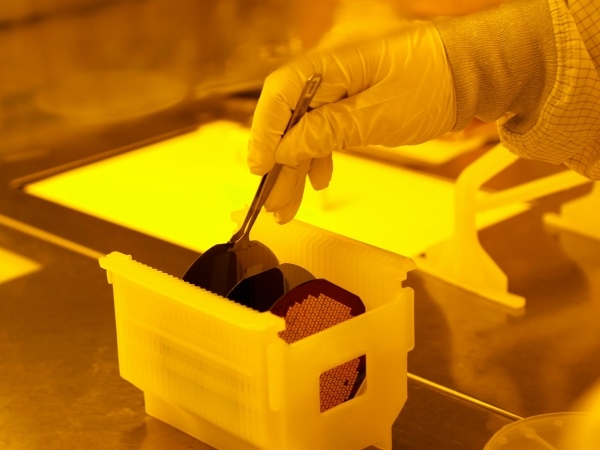
In-house microfabrication
Our work is supported by a dedicated microfabrication division that develops MEMS chips and custom devices for in situ microscopy systems, including gas, liquid, heating, and electrical biasing applications.

Calibration and inspection lab
Every instrument is checked and refined in our in-house Calibration Lab before it leaves our facility. We measure thermal, electrical, and magnetic performance to ensure stable, accurate readouts that you can rely on from the start of every experiment.
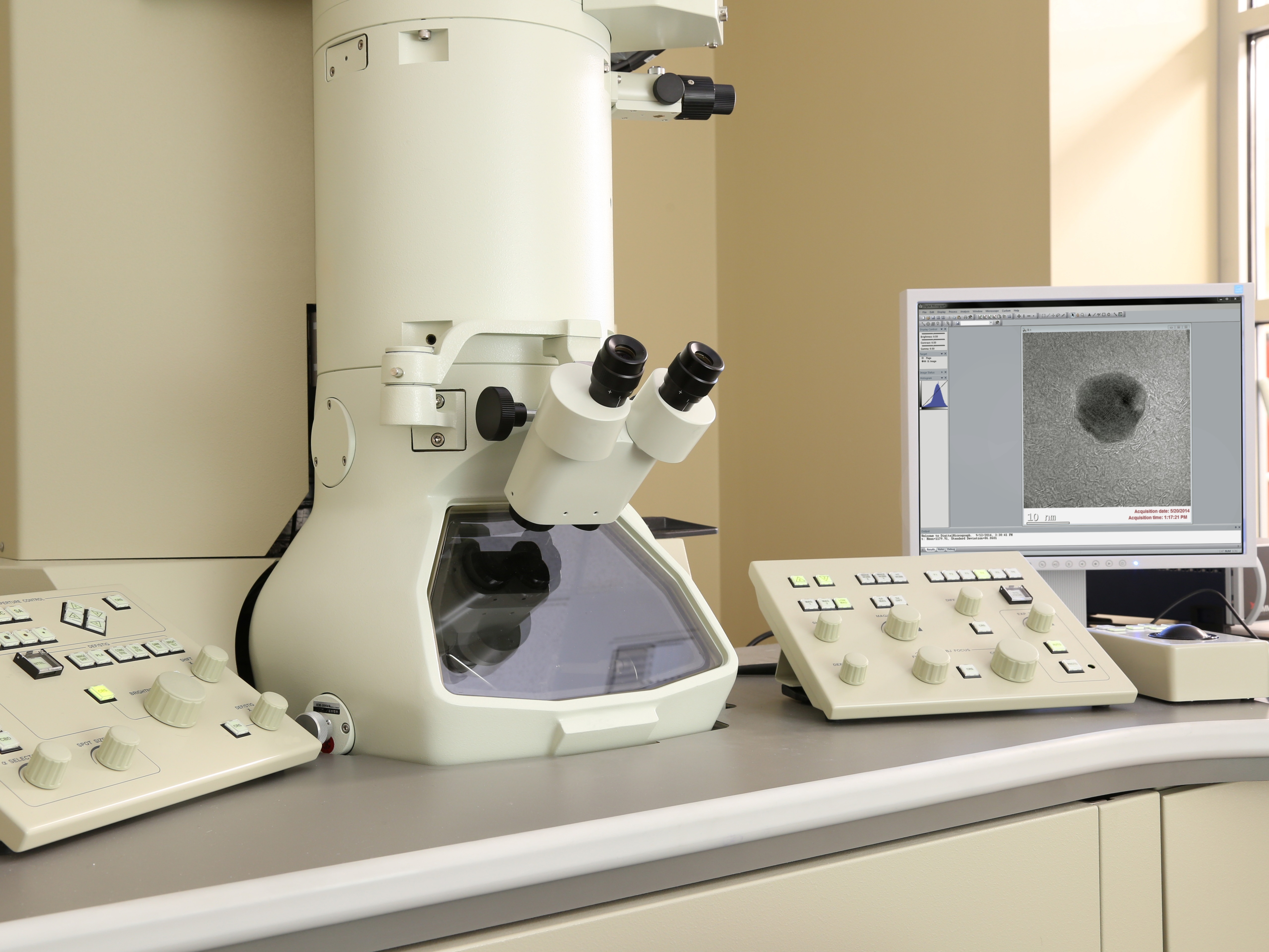
TEM and cryo-EM labs on site
Every holder is validated under real beam conditions in our in-house TEM and cryo-EM labs before delivery. We test for drift, thermal stability, vacuum performance, and signal quality — not just mechanical fit. If something needs to change, we catch it before it ships to your facility.
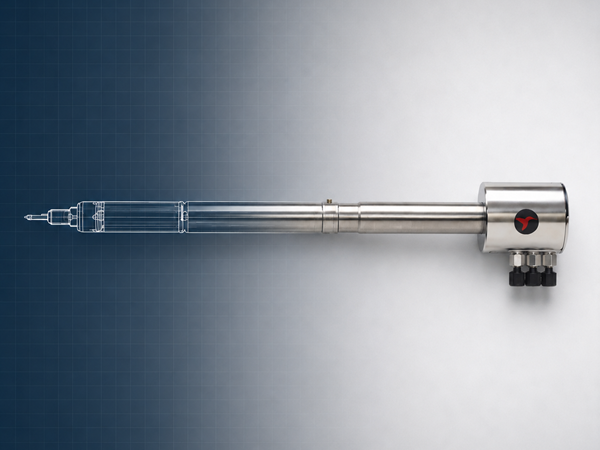
Custom solutions
At Hummingbird Scientific, we believe that researchers shouldn't have to settle for second-rate. So, don't see what you're looking for among our standard options? Our custom department is ready to help.