Investigate plasma-assisted catalysis, surface modification, and materials processing using operando plasma generation and atomic-resolution in-situ TEM imaging

The Hummingbird Scientific TEM Gas Plasma Sample Holder enables operando plasma generation with in-situ TEM and STEM imaging of plasma–material interactions. Designed for researchers in catalysis, semiconductor manufacturing, materials science, nanotechnology, energy conversion, surface engineering, and plasma science, it enables investigations of plasma-assisted catalysis, surface modification, thin-film deposition and etching, defect engineering, nanoparticle growth, oxidation, reduction, and plasma-induced phase transformations. By directly correlating plasma exposure with atomic-resolution imaging and analytical characterization, researchers can reveal the mechanisms governing plasma-assisted reactions, structural evolution, and material performance under realistic processing conditions.
Hummingbird Advantages:
- Generate operando plasma with applied voltages up to 1 kV to study plasma–material interactions directly inside the TEM.
- Combine controlled gas environments and plasma generation within a single in-situ experiment.
- Precise gas flow control with a dedicated purge line for rapid, contamination-free gas switching.
- Screw-free gas-cell assembly with self-aligning windows for fast, reproducible sample loading.
- Full compatibility with TEM, STEM, EDS, and EELS during operando plasma experiments.
- Compatible with TEM, SEM, and X-ray microscopy workflows using cross-platform microfabricated chips.
Available For:

.jpg)
How it Works
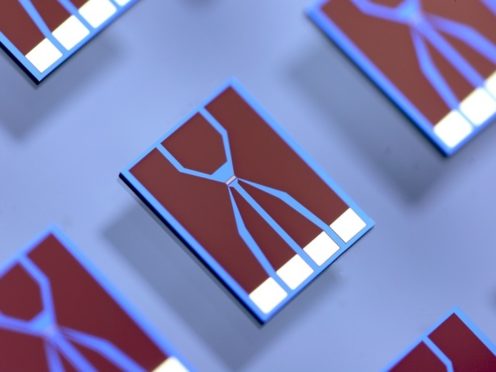
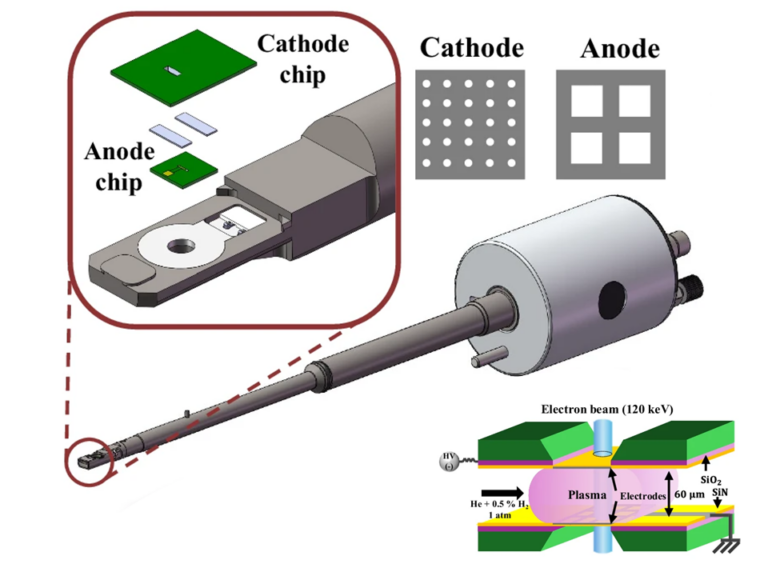
The TEM Plasma Gas Sample Holder integrates a sealed environmental cell, dedicated gas delivery, cathode–anode microfabricated MEMS chips, MEMS heating, high voltage electrical connections and safety features, and dedicated control hardware into a unified platform for operando plasma TEM experiments. The environmental cell is formed by a cathode chip and an anode chip separated by precision spacers, creating a controlled gas environment around the specimen that remains isolated from the microscope vacuum. When a voltage is applied between the electrodes, plasma is generated directly within the environmental cell adjacent to the electron-transparent imaging region, enabling real-time observation of plasma–material interactions at atomic resolution.
Controlled gas flow is delivered through the environmental cell at pressures up to 2 bar, while up to 1 kV electrical bias can be applied to sustain internal plasma between patterned electrodes with optimized geometries. This integrated platform enables researchers to directly correlate plasma exposure with structural, chemical, and functional evolution during plasma-assisted gas–solid reactions, catalyst activation, surface modification, and other plasma-assisted materials processes.
Key Features and Capabilities

Achieve reproducible plasma-gas-cell assembly with self-aligning windows and a screw-free sealing design
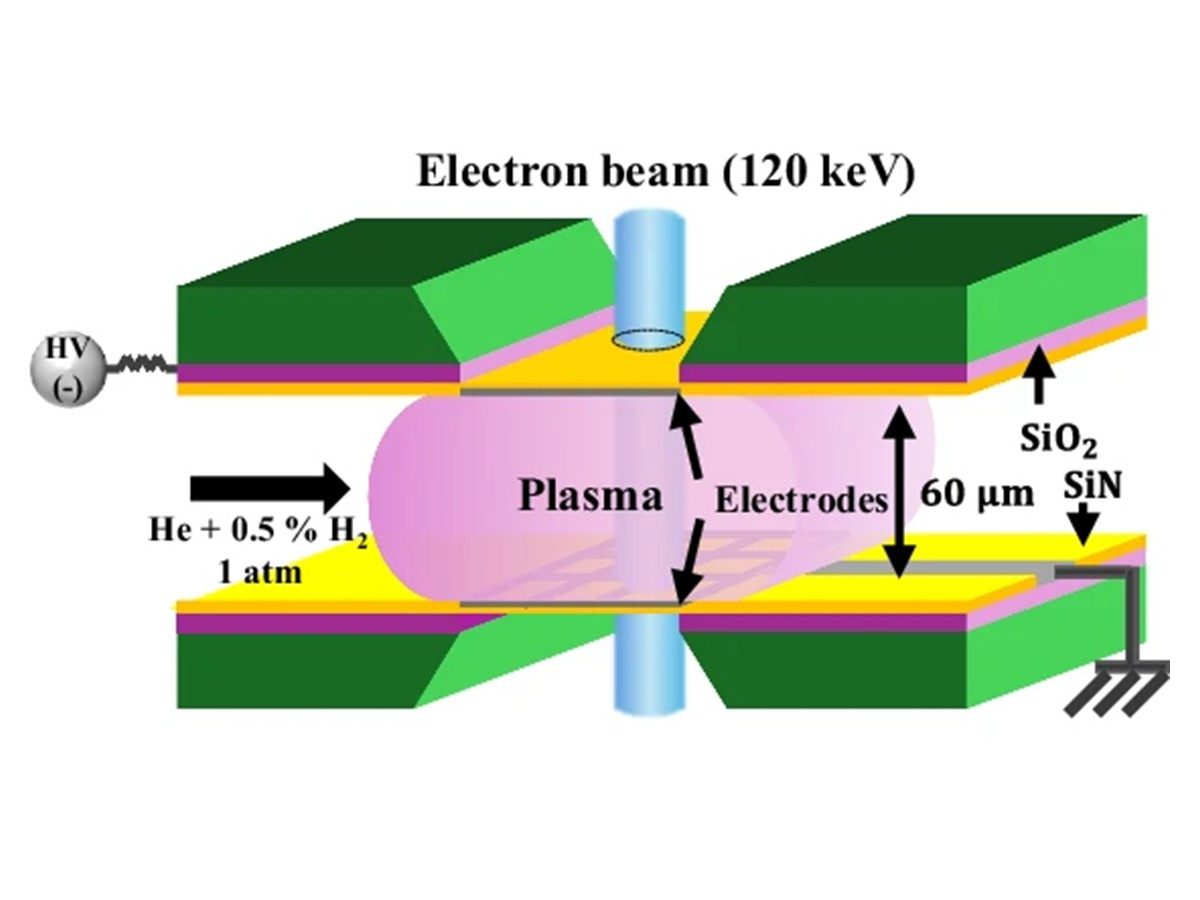
Generate stable low-temperature plasma directly adjacent to the specimen for real-time studies of plasma–material interactions

Control gas pressure from high vacuum to 2 bar using one experimental gas and a dedicated purge line for reliable, repeatable gas-phase and operando plasma TEM experiments

Protect your TEM during plasma-gas-cell experiments and streamline setup with rapid high-vacuum seal checking and optical inspection
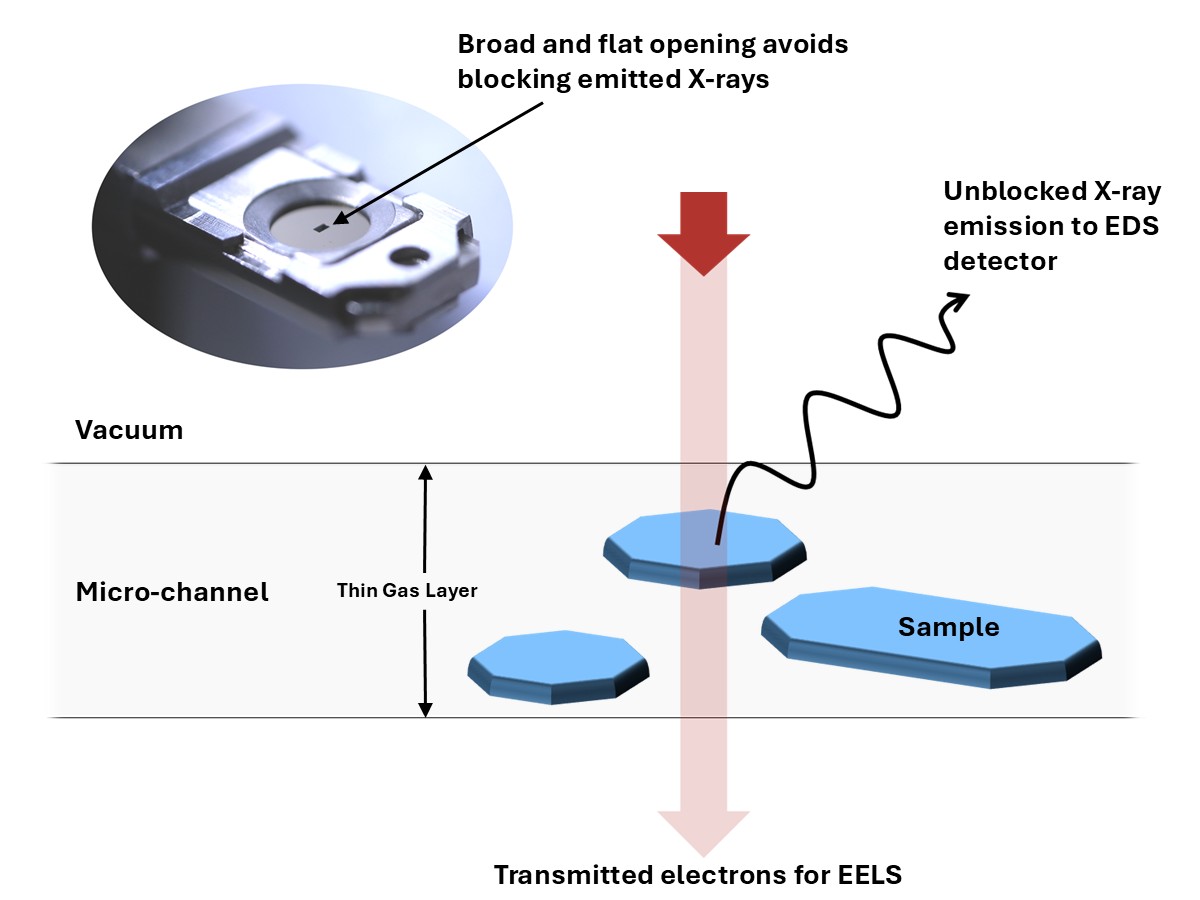
Perform correlative spectroscopy and microscopy for detailed in-situ elemental analysis
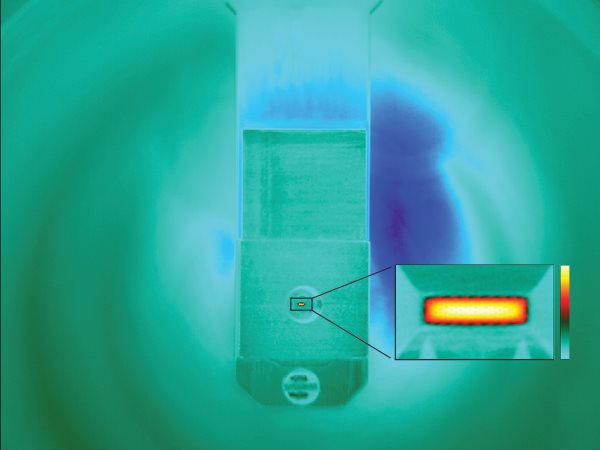
Perform temperature-controlled gas-phase TEM with homogeneous MEMS heating above 1000 °C, 4-point on-chip temperature sensing, and near-drift-free imaging

Keep experiments moving with in-stock plasma-gas-cell TEM chips designed for operando plasma, gas flow, heating, sample biasing, and multimodal microscopy workflows
Built for Diverse Research Applications

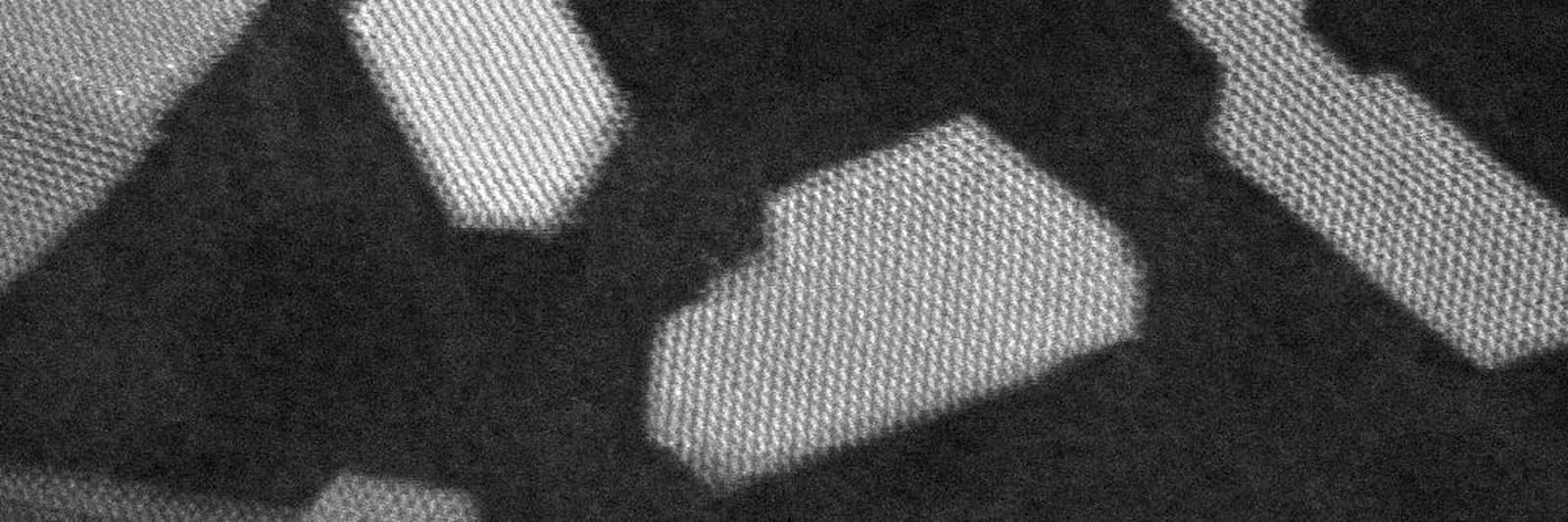
Featured Research
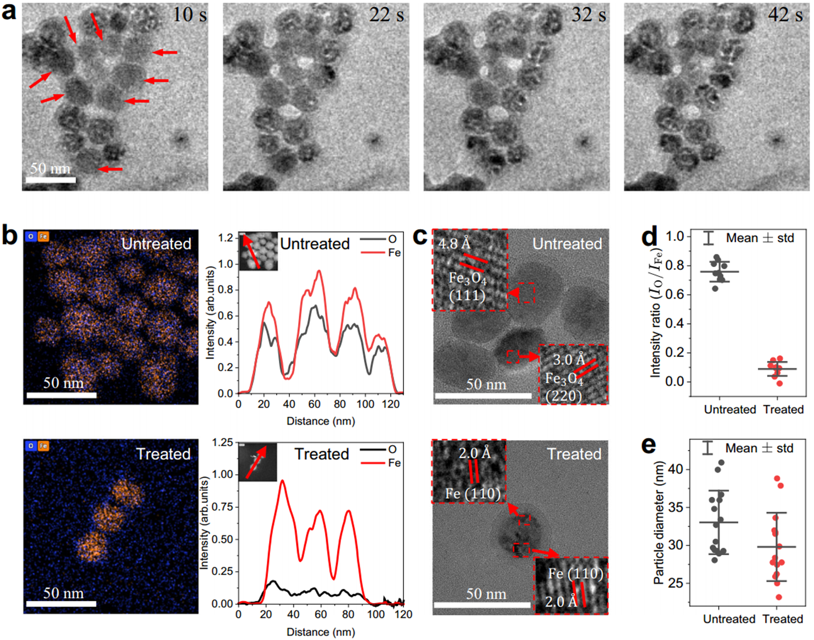
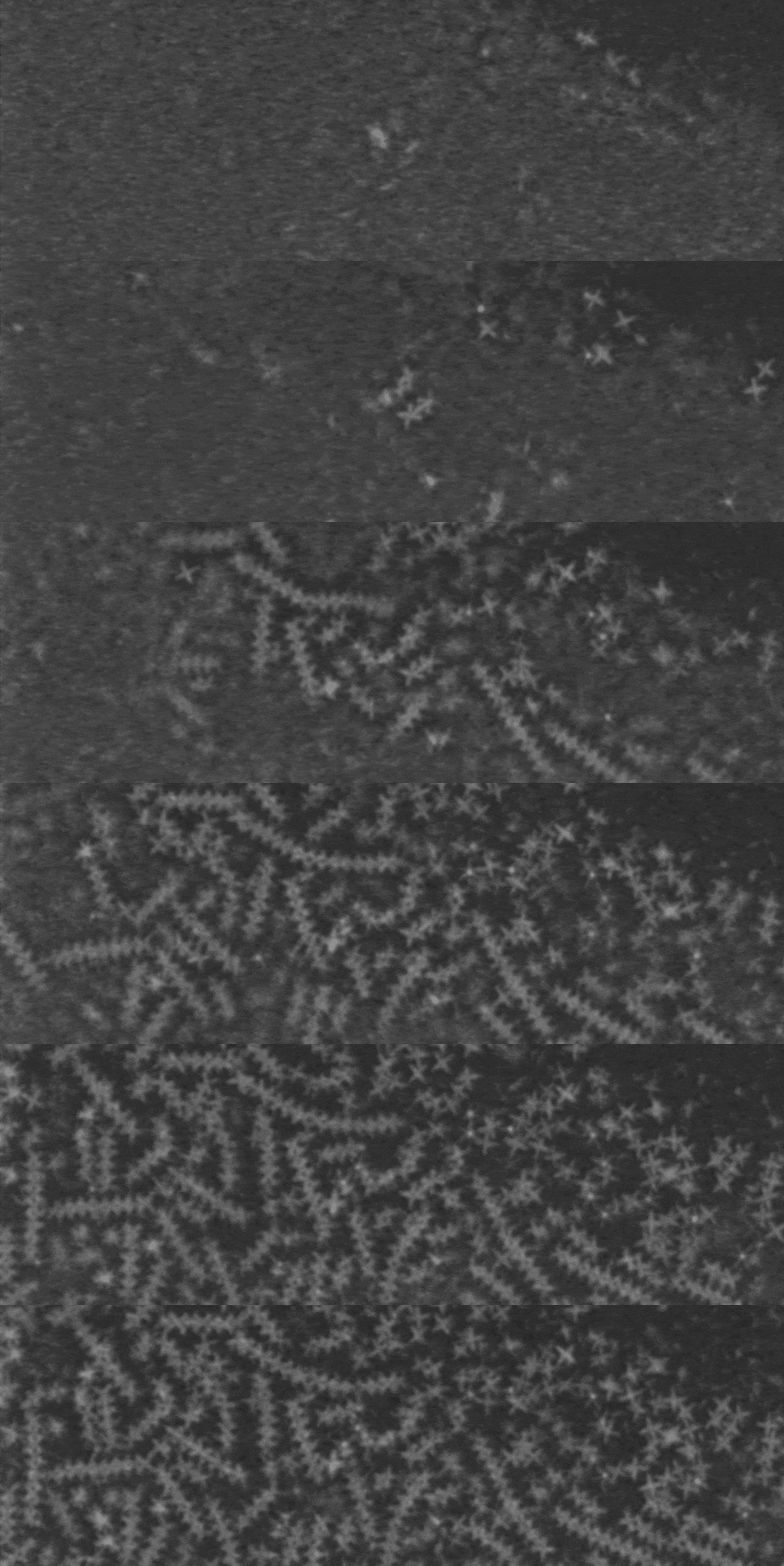
a) Operando sequential images of nanoparticles treated by He + 0.5 % H2 plasma (56 mW). b) EDX-mapped images and corresponding 1-D profiles of net signals of untreated and treated nanoparticles by He + 0.5 % H2 plasma. c) High-resolution TEM images of untreated and treated nanoparticles by He + 0.5 % H2 plasma. d) Statistics of integrated net intensity ratios of untreated and treated nanoparticles measured from at least 10 particles foreach case. e) Statistics of particle sizes of untreated and treated nanoparticles. Scale bars denote 50 nm.
Operando plasma TEM imaging of hydrogen-plasma reduction in Fe₃O₄ nanoparticles
The Hummingbird Scientific TEM Gas Plasma sample holder was used to perform operando transmission electron microscopy of magnetite (Fe3O4) nanoparticles during exposure to non-thermal hydrogen plasma. By integrating a custom atmospheric-pressure plasma cell into the holder, the researchers imaged nanoscale plasma–material interactions in real-time with ~1 nm spatial resolution. The platform enabled direct observation of particle shrinkage, crack formation, and reduction kinetics during plasma treatment. Correlative TEM and EDX analysis revealed that hydrogen radicals generated within the plasma rapidly reduced iron oxide at temperatures substantially below conventional thermal reduction conditions, providing direct mechanistic insight into plasma-assisted materials processing.
Reference: Jae Hyun Nam, et al. Nature Communications (2025). DOI:10.1038/s41467-025-62639-4
Copyright © 2025 The Author(s). Nature Communications published by Springer Nature. Open Access.
Software
Spend less time managing equipment and more time generating results. Hummingbird Connect™ integrates with microscope and laboratory software platforms to simplify experiment setup, streamline workflows, and keep your data organized from acquisition through analysis.
To help you get the most from your gas-cell holder, Hummingbird Control™ Software provides intuitive and precise control of closed loop gas heating. Together, these software solutions enable faster setup, improved reproducibility, and more efficient gas-phase TEM experiments.
Built on Engineering Excellence
Hummingbird Scientific designs, machines, assembles, tests, and services its products in-house. Our integrated engineering, machining, microfabrication, and applications teams enable rapid prototyping and iteration, custom modifications, and direct technical support throughout the life of the instrument. This vertically integrated approach allows researchers to adapt experimental platforms to unique scientific requirements while maintaining the performance and reliability required for advanced in-situ microscopy experiments.
The TEM Plasma Gas Sample Holder is a direct result of these capabilities, integrating operando plasma generation, controlled gas delivery, MEMS heating, electrical biasing, and experimental workflows into a single platform for reproducible in-situ plasma TEM experiments.
Need something unique? Our engineers can customize existing products or develop entirely new solutions to support specialized experiments and emerging research challenges.
Frequently Asked Questions
Related Products
Awards

Microscopy Today 2026 Innovation Award

Customization and Service