Communications Materials
Nanoscale
Microscopy and Microanalysis
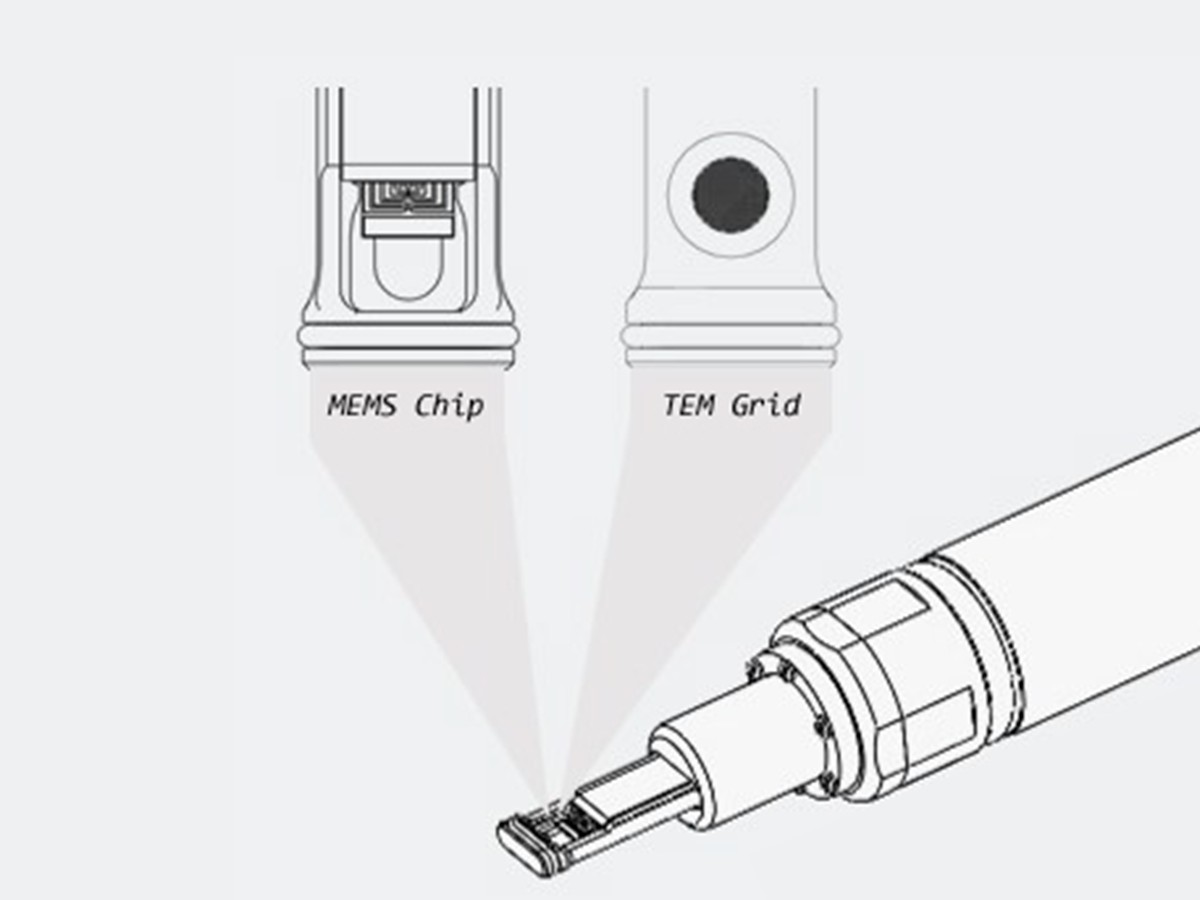
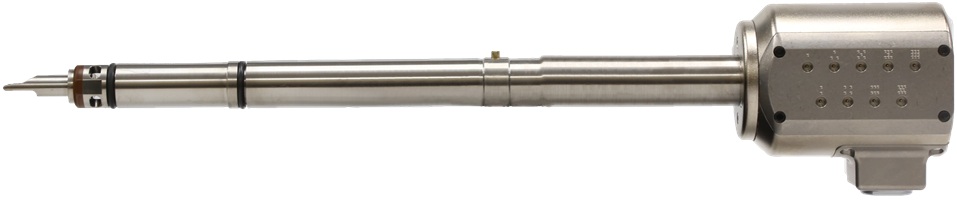
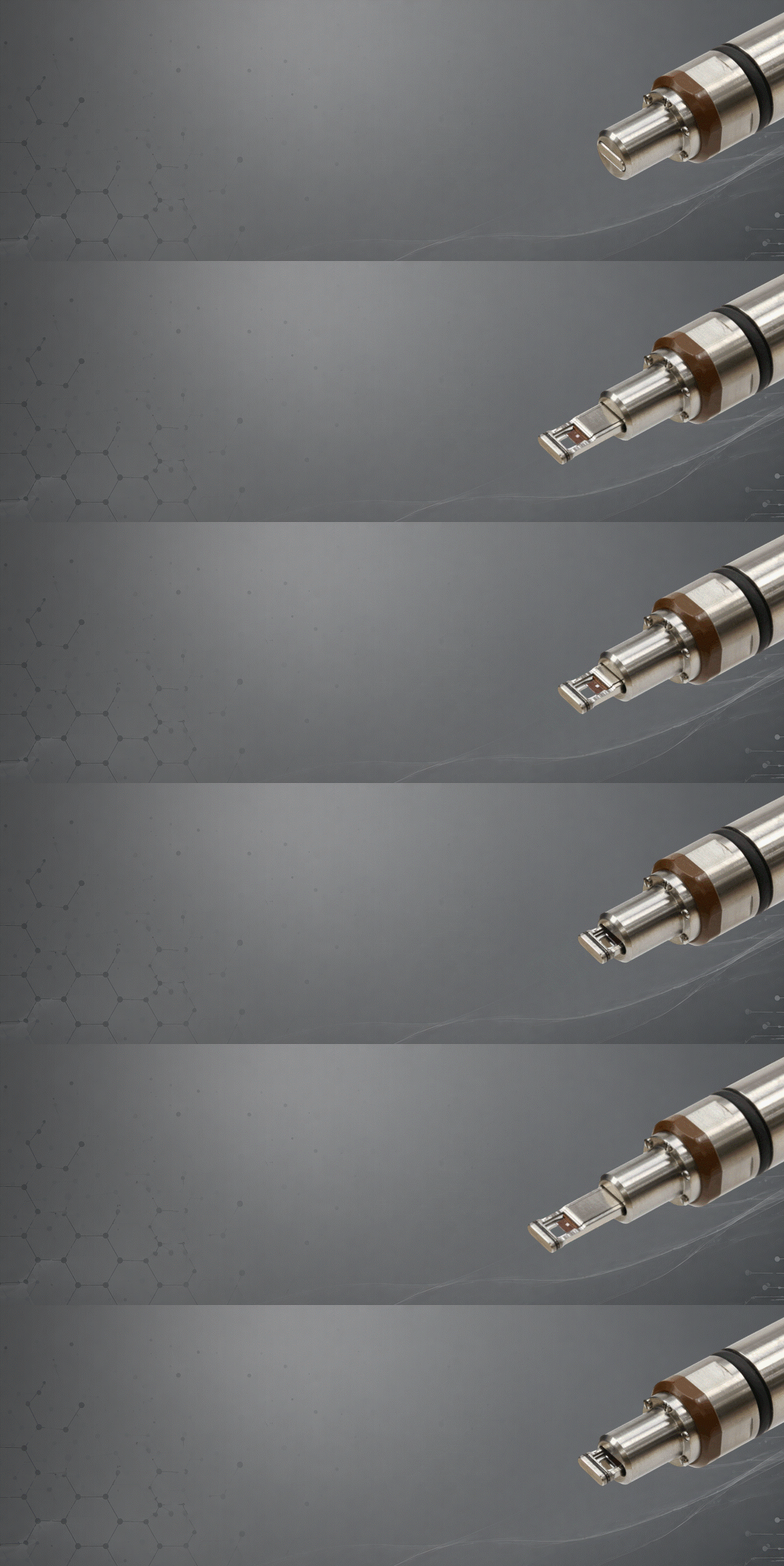
The TEM Air-Free Transfer Sample Holder is a sealed transfer holder that enables air-sensitive materials to be transferred from an inert atmosphere glovebox to the TEM without atmospheric exposure. Two dedicated holder variants are available: one for conventional TEM/STEM imaging using 3 mm TEM grids, and another for in-situ experiments using MEMS heating and electrical biasing chips with 9 electrical contacts. Together, they enable characterization of highly reactive materials in their native state.
Investigate air-sensitive materials including lithium and other alkali metals, solid-state batteries, catalysts, metal–organic frameworks (MOFs), quantum materials, metal hydrides, and other reactive nanomaterials in their native pristine states. By maintaining air-free conditions from glovebox to TEM, the holder enables accurate structural, chemical, and analytical characterization of materials that rapidly oxidize, hydrate, or degrade upon atmospheric exposure.
For many reactive materials, even brief atmospheric exposure can alter surfaces, interfaces, and electrochemical states before characterization begins. By maintaining a protected transfer environment, the holder enables more representative analysis and greater confidence that observed material behavior reflects intrinsic properties rather than artifacts introduced during sample handling. An optional MEMS heating and electrical biasing configuration further extends these capabilities, enabling controlled thermal and electrical in-situ experiments on air-sensitive materials while preserving their initial state.

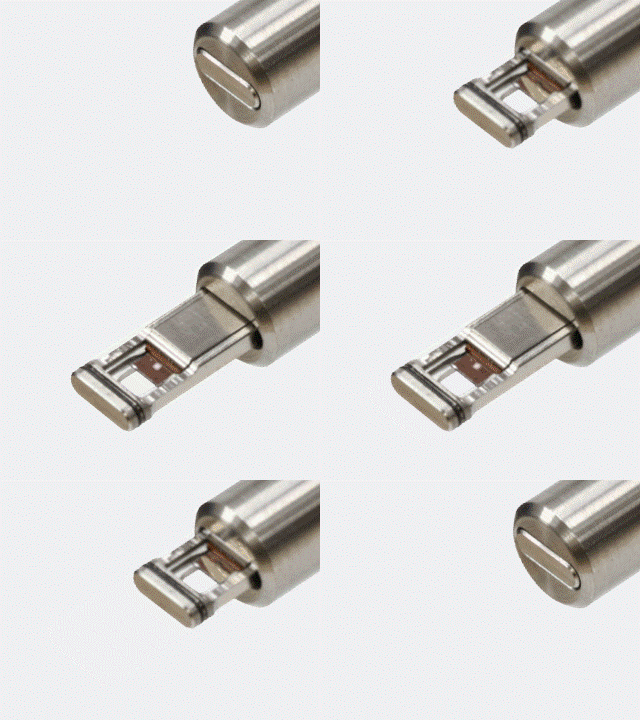
The TEM Air-Free Transfer Sample Holder integrates a sealed transfer mechanism with dedicated holder platforms for conventional 3 mm TEM grids or MEMS heating and electrical biasing chips. Samples are prepared inside an inert atmosphere glovebox before being mounted onto the appropriate substrate and loaded into the holder. The transfer tip is then sealed under either high vacuum or an inert gas atmosphere for transfer to the TEM.
Once loaded, the holder seals the specimen under either high vacuum or an inert gas atmosphere, allowing it to be transferred to the TEM without exposure to oxygen or moisture. After the holder is inserted into the microscope, the sealed transfer tip is opened inside the TEM vacuum, preserving the specimen's pristine native state until characterization begins.
The 3 mm grid holder supports conventional TEM/STEM imaging and compatible analytical techniques, while the MEMS holder enables controlled in-situ heating up to above 1000 °C and electrical biasing experiments on preserved specimens. Together, these dedicated holder platforms allow researchers to investigate highly reactive materials without compromising their initial state prior to imaging or controlled stimulation.


Protect air-sensitive specimens during glovebox-to-TEM transfer using sealed high-vacuum or inert-gas environments

The TEM Air-Free Transfer Sample Holder allows specimens mounted on a 3 mm TEM grid or MEMS chip (depending on the holder variant) to be installed onto the holder tip and sealed under either high vacuum or an inert gas atmosphere for protected transfer from the glovebox to the TEM. Once the holder is inserted into the microscope, the transfer tip is opened inside the TEM column vacuum, preserving the specimen's pristine condition for characterization.

Dedicated holder variants support 3 mm TEM grids for routine characterization or MEMS chips for advanced in-situ heating and electrical biasing experiments

Hummingbird offers air-free transfer using two TEM platforms with distinct sample geometries. The MEMS chip version supports compatible biasing and heating workflows, while the 3 mm grid version supports protected transfer and imaging of conventional TEM specimens.

Perform low-noise in-situ electrical measurements using up to nine direct chip electrical contacts with individually shielded coaxial connections

The MEMS variant of the TEM Air-Free Transfer Sample Holder supports up to nine low-noise electrical contacts, enabling reliable electrical connection to Hummingbird Scientific MEMS chips for advanced in-situ TEM experiments. The shielded, low-noise electrical architecture supports a wide range of heating, electrical biasing, and multi-contact device configurations while maintaining signal integrity during high-resolution imaging. This flexibility allows researchers to investigate complex devices, temperature-dependent electrical behavior, and operando material performance on air-sensitive specimens following protected transfer.

Keep experiments moving with in-stock MEMS chips for heating, electrical biasing, and advanced in-situ TEM characterization

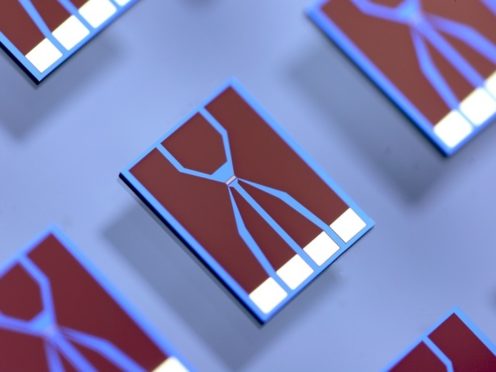
Hummingbird Scientific microfabricates MEMS chips in-house and maintains standard Heating, Electrical Biasing, Heating + Biasing, and FIB lift-out configurations in stock for rapid delivery. Quality-controlled chips are clean packed and ready to use out of the box, with a broad selection of heater designs, electrode layouts, materials, and window geometries. The same MEMS chip platform is compatible across Hummingbird's TEM, SEM, and synchrotron X-ray heating and biasing systems, while custom MEMS chip designs support specialized applications and experimental workflows.

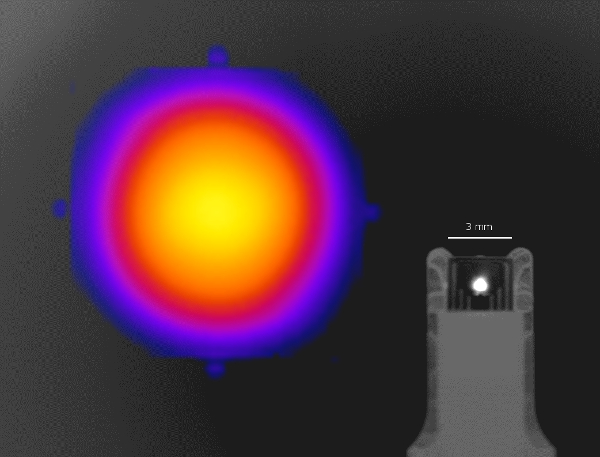
Perform variable-temperature in-situ experiments on air-sensitive materials with integrated MEMS heating to >1000 °C

The MEMS variant of the TEM Air-Free Transfer Sample Holder can be configured with integrated MEMS heating to enable controlled variable-temperature in-situ TEM experiments on air-sensitive materials. Closed-loop heating above 1000 °C is combined with concurrent electrical biasing and high-resolution TEM/STEM imaging, allowing researchers to investigate temperature-dependent material behavior, phase transformations, electrical transport, reaction mechanisms, and device performance from a pristine initial state.

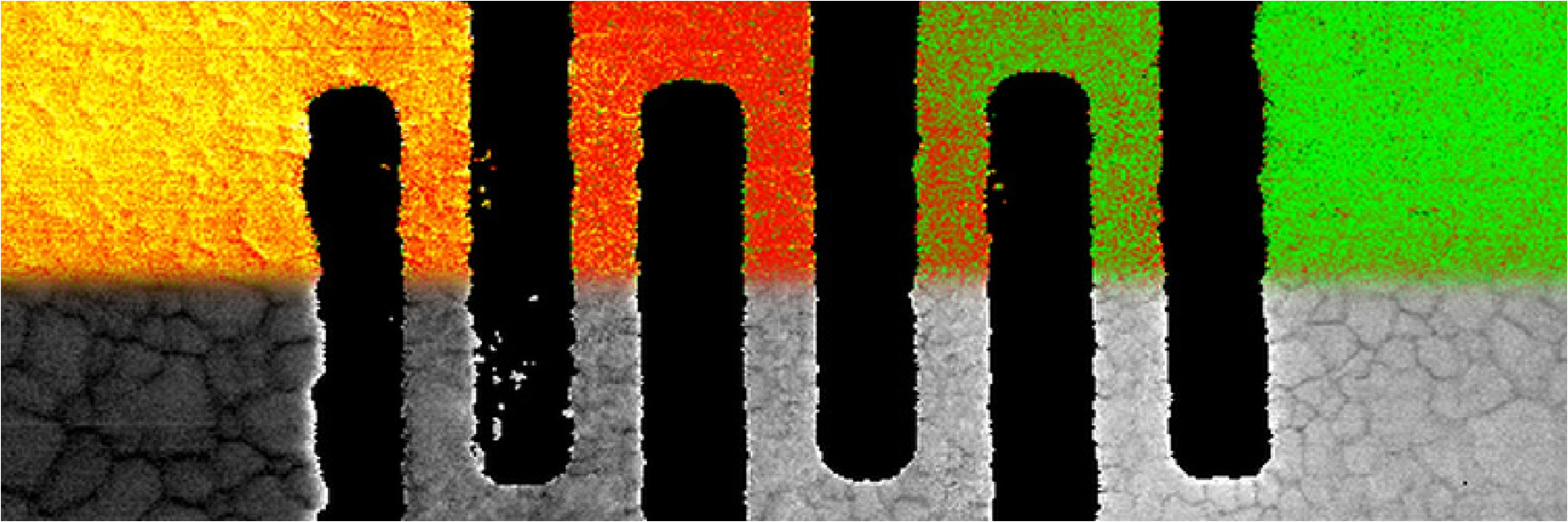
Longterm behavior (a) Specific discharge capacity vs cycle number for a Cr-LiF cathode cycled at 1C (black) and 5C (teal). Coulombic efficiency is shown for all cycles on the right axis. (b) Nyquist representation of PEIS spectra taken after different cycle numbers. (c) Resistance vs cycle number for fitted resistance values of the LiPON, RC1,and RC2 contributions. The equivalent circuit used to fit the PEIS spectra is shown. (d) STEM-EDX maps of Cr, F, and Ti for samples after 25 cycles and 1564 cycles at 1C (shown as stars on panel(a)).
Inert transfer of air-sensitive Cr-LiF thin film cathodes for in-situ electrical cycling under TEM
The TEM Biasing Air-free Transfer sample holder was used to transfer air-sensitive, lithiated Cr-LiF thin film cathodes to the TEM for in-situ electrical cycling. Co-evaporation was used to fabricate heterogeneous two-phase chromium-based transition metal fluoride (TMF) thin films with tunable stoichiometric ratios for lithium-ion solid state battery development. A Cr–LiF cathode (1.1:2) showed strong thin-film performance, with better high-rate behavior than Fe–LiF cathodes. Extended cycling formed a new nanostructure that improved kinetics with some capacity loss, resulting in stable operation over hundreds of cycles.
Reference: Joel Casella, et al, Communications Materials (2026). DOI: 10.1038/s43246-026-01121-0
This article is licensed under a Creative Commons Attribution-NonCommercial-NoDerivatives 4.0 International License. To view a copy of this license, visit http://creativecommons.org/licenses/by-nc-nd/4.0/.
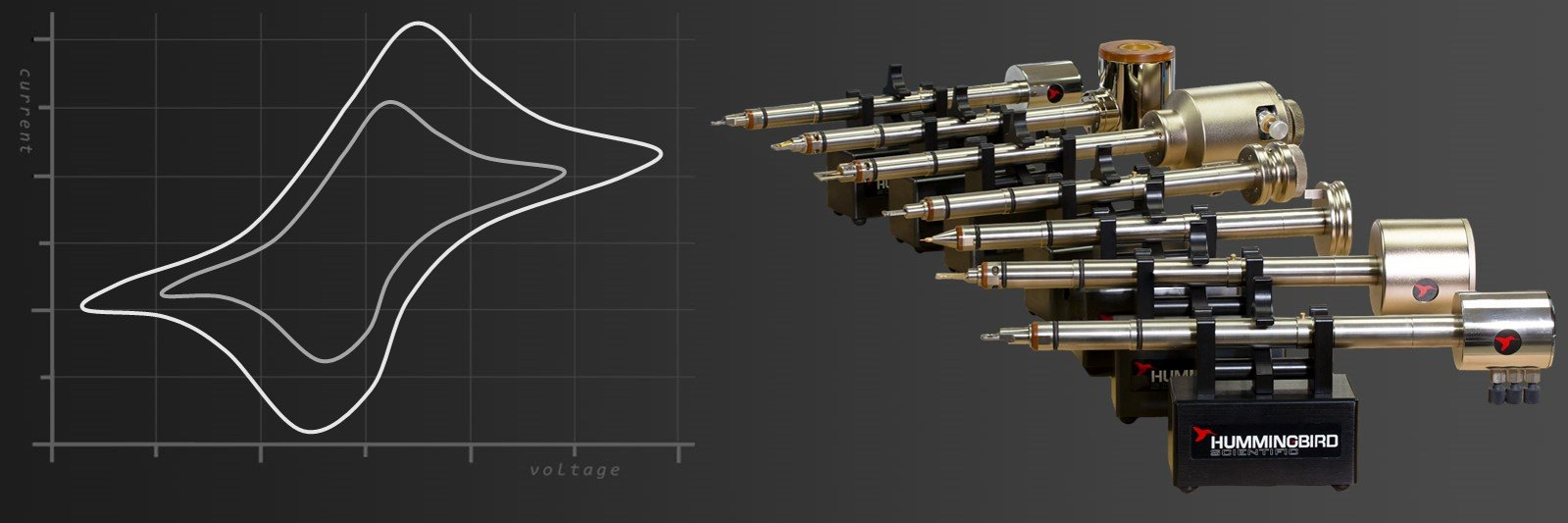
Spend less time managing equipment and more time generating results. Hummingbird Control™ Software provides intuitive control of heating and biasing functions, including temperature set points, closed-loop heating behavior, and voltage sweep workflows when configured with the system.
Hummingbird Connect™ can support the broader software strategy by connecting holder operation, microscope context, imaging workflows, and experiment metadata. Together, these software tools help improve reproducibility, experiment setup, data organization, and long-term usability for in-situ TEM heating and biasing experiments.
Hummingbird Scientific designs, machines, assembles, tests, and services its products in-house. Our integrated in-house engineering, precision manufacturing, microfabrication, software development, applications, and service teams enables rapid prototyping and iteration, custom modifications, and direct technical support throughout the life of the instrument.
The TEM Air-Free Transfer Specimen Holder is a direct result of these capabilities. By combining sealed air-free transfer technology, precision holder design, and specialized sample platforms into a unified solution, it enables reliable characterization of oxygen- and moisture-sensitive materials. Dedicated 3 mm grid and MEMS heating and electrical biasing holder variants extend protected transfer workflows from conventional TEM/STEM imaging to advanced in-situ experiments on highly reactive materials.
Need something unique? Our engineers can customize existing transfer holders or develop new solutions to support specialized sample geometries, transfer interfaces, MEMS chip configurations, and emerging air-free characterization workflows.
The TEM Air-Free Transfer Sample Holder is a sealed transfer holder designed to protect air-sensitive materials during transfer from an inert atmosphere glovebox or controlled sample preparation environment to the TEM. Depending on the holder variant, samples are first mounted onto either a 3 mm TEM grid or a MEMS heating and electrical biasing chip. The prepared grid or MEMS chip is then installed onto the holder tip, which is then sealed under either high vacuum or an inert-gas atmosphere before transfer to the TEM. Once inserted into the TEM, the sealed tip is opened inside the microscope column vacuum, preserving the specimen's pristine native state for conventional TEM/STEM imaging, analytical characterization, or (in the MEMS chip sample holder variant) in-situ heating and electrical biasing experiments.
The TEM Air-Free Transfer Sample Holder is designed for characterization of air-sensitive materials including lithium and other alkali metals, battery electrodes and solid electrolytes, catalysts, metal–organic frameworks (MOFs), quantum materials, metal hydrides, semiconductors, and other reactive nanomaterials.
The 3 mm grid sample substrate variant works with the same stability as functionality as a standard TEM holder once extended, supporting atomic-resolution TEM, STEM, electron diffraction, EDS, and EELS while preserving the specimen's native state during transfer. The MEMS holder variant additionally enables in-situ heating above 1000 °C and electrical biasing, allowing researchers to investigate temperature-dependent behavior, electrical transport, phase transformations, degradation mechanisms, interfacial evolution, and device performance of pristine air-sensitive materials.
The appropriate holder variant depends on your specimen format and experimental objectives.
Choose the 3 mm Grid Air-Free Transfer Holder if your samples are prepared on conventional 3 mm TEM grids and your work focuses on TEM/STEM imaging, electron diffraction, EDS, EELS, or other analytical TEM techniques while maintaining protection from oxygen and moisture.
Choose the MEMS Air-Free Transfer Holder if your specimens are prepared on MEMS chips and your research requires in-situ heating (above 1000 °C), electrical biasing, or combined thermal and electrical stimulation after protected transfer. The MEMS variant supports up to 9 electrical contacts, enabling advanced in-situ experiments on air-sensitive materials while preserving their native state during sample transfer to the TEM.
Yes. Both variants of the TEM Air-Free Transfer Sample Holder support energy-dispersive X-ray spectroscopy (EDS) and electron energy loss spectroscopy (EELS) while preserving air-sensitive specimens from atmospheric exposure. The optimized holder tip geometries provides improved clearance for EDS detectors, increasing X-ray collection efficiency compared to conventional heating holder designs. This enables high-quality elemental and chemical analysis alongside simultaneous high-resolution imaging, heating, and electrical biasing during in-situ TEM experiments. The 3 mm grid holder enables conventional TEM/STEM imaging, electron diffraction, EDS, and EELS for air-sensitive materials in their native state. The MEMS holder variant supports these same analytical techniques while also enabling in-situ heating (above 1000 °C) and electrical biasing. This allows researchers to correlate structural, chemical, and compositional changes with controlled thermal and electrical stimuli without exposing the specimen to air before characterization.
The TEM Air-Free Transfer Sample Holder is designed for straightforward, repeatable sample preparation and protected transfer. For the 3mm disk sample holder, samples are mounted onto a conventional TEM grid inside an inert atmosphere glovebox or controlled preparation environment before the grid is installed onto the holder tip and sealed under high vacuum or an inert gas environment. After transfer to the TEM, the tip is opened inside the microscope column vacuum, positioning the specimen for immediate characterization.
The MEMS holder variant follows the same protected transfer workflow using Hummingbird Scientific MEMS chips. A direct chip insertion, screw-free loading mechanism enables fast, repeatable chip installation before the holder is sealed and transferred to the TEM. Once the transfer tip is opened inside the microscope column, researchers can immediately perform TEM/STEM imaging, EDS, EELS, and in-situ heating and electrical biasing experiments on the preserved specimen.
Hummingbird Scientific's in-house microfabricated MEMS chip platform extends the capabilities of the TEM Air-Free Transfer Sample Holder beyond protected transfer, enabling advanced air-free in-situ experiments with exceptional flexibility. Standard heating, electrical biasing, heating + biasing, and FIB lift-out MEMS chips are quality controlled, in stock, and available through Hummingbird Scientific's online store. A broad selection of heater designs, electrode materials, electrode layouts, and window geometries allows researchers to configure experiments for a wide range of applications.
Yes. Hummingbird Scientific's engineering team can modify existing holder designs or develop custom solutions for unique sample geometries, transfer interfaces, sealing requirements, MEMS chip configurations, electrical connections, and air-free workflows. With in-house design, precision machining, assembly, and testing, we can rapidly develop customized air-free transfer solutions for emerging materials, novel experiments, and instrument-specific requirements.