Correlate nanoscale structural, chemical, and electrical changes with simultaneous closed-loop heating and electrical biasing during in-situ TEM experiments
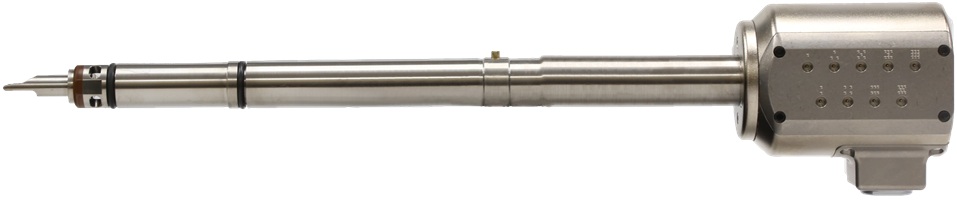
The Hummingbird Scientific TEM MEMS Heating + Biasing Sample Holder enables simultaneous high-temperature heating and electrical biasing during in-situ TEM and STEM experiments. Designed for researchers in semiconductor devices, energy storage, catalysis, materials science, nanotechnology, and electronics, it supports investigations of phase transformations, electrical transport, electromigration, nanoscale diffusion, device failure, battery cycling, and catalyst activation. By directly correlating thermal and electrical stimuli with surface morphology, chemical composition, and electrical response, researchers can reveal the mechanisms governing material performance and degradation under realistic operating conditions.
Hummingbird Advantages:
- Screw-free direct MEMS chip insertion for fast, reproducible sample loading.
- Closed-loop MEMS heating from room temperature to above 1000 °C with integrated temperature sensing.
- Nine direct-chip electrical contacts for simultaneous electrical biasing and electrical measurements.
- Full compatibility with TEM, STEM, EDS, and EELS during heating and biasing experiments.
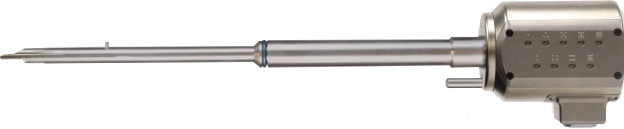
- Available in single-tilt and high-accuracy double-tilt configurations for optimal sample orientation.
- Supports diverse experiments with FIB lift-out chips, multiple chip electrode materials and geometries, and custom MEMS chip designs.
- Compatible with TEM, SEM, and X-ray microscopy workflows using cross-platform microfabricated chips.
Available For:





.jpg)
How it Works
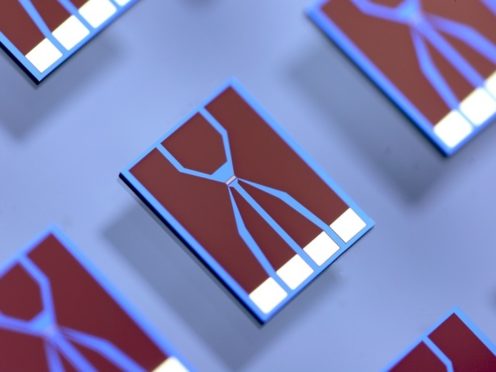
The TEM MEMS Heating + Biasing Sample Holder combines Hummingbird Scientific's in-house microfabricated MEMS chips, direct electrical contacts, and closed-loop temperature control to create a stable platform for simultaneous in-situ heating and electrical biasing inside the TEM. Samples are mounted directly onto a MEMS chip and inserted into the holder using a screw-free loading mechanism, enabling fast, reproducible experiment setup.
During operation, the MEMS microheater delivers temperatures up to above 1000 °C, while on-chip 4-point resistance sensing enables closed-loop temperature control for stable real-time imaging and analysis. Heating + Biasing MEMS chips support simultaneous thermal and electrical stimulation, while biasing MEMS chips dedicate all nine contacts to electrical measurements when heating is not required.
The double-tilt configuration adds high-accuracy beta tilt controlled by dedicated tilting software, enabling precise sample orientation for diffraction, crystallographic, and analytical in-situ TEM experiments.
Key Features and Capabilities
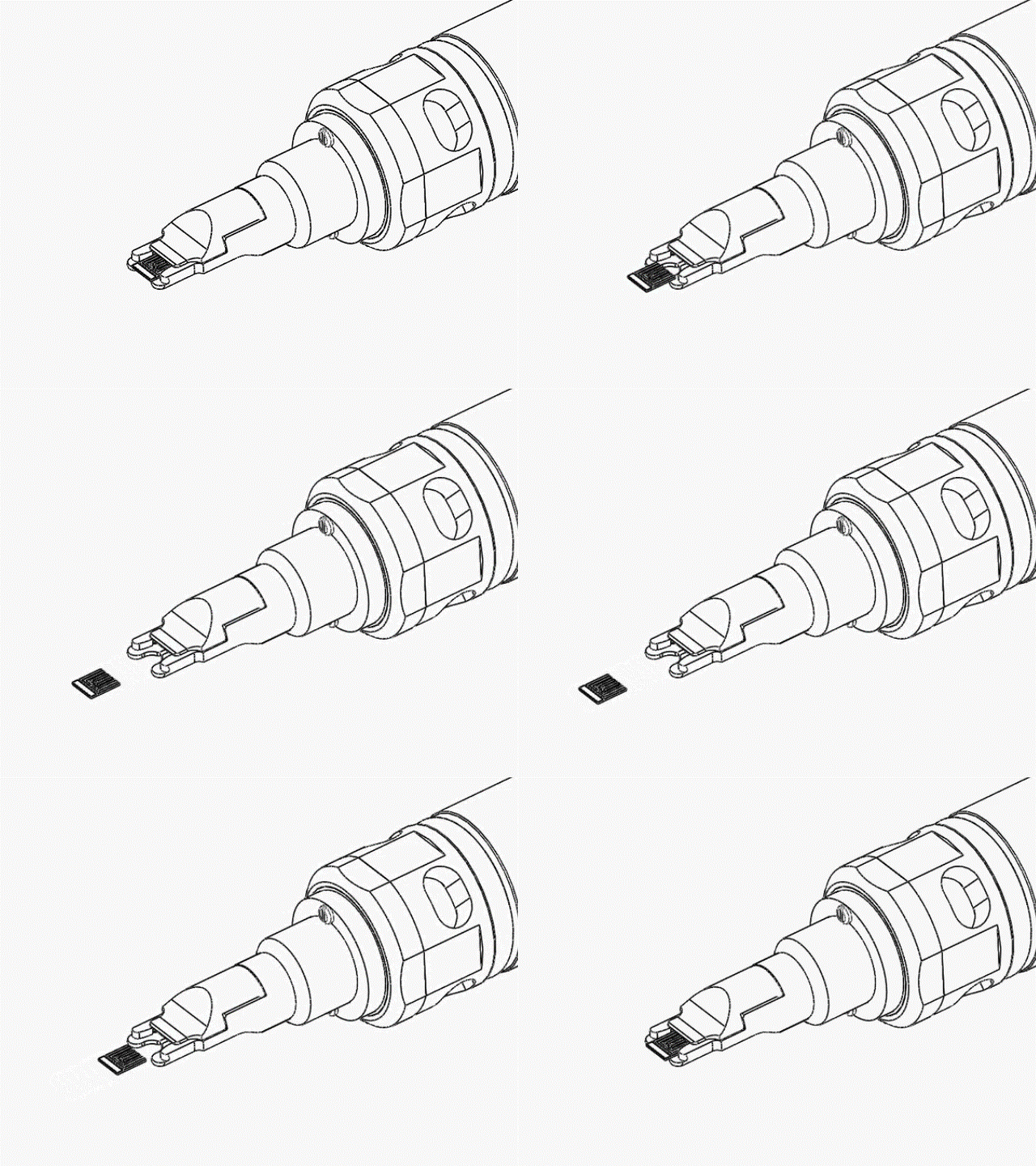
Load MEMS chips quickly with reliable electrical contact and simplified experiment setup
Perform low-noise in-situ electrical measurements with nine direct chip electrical contacts and individually shielded coaxial cables
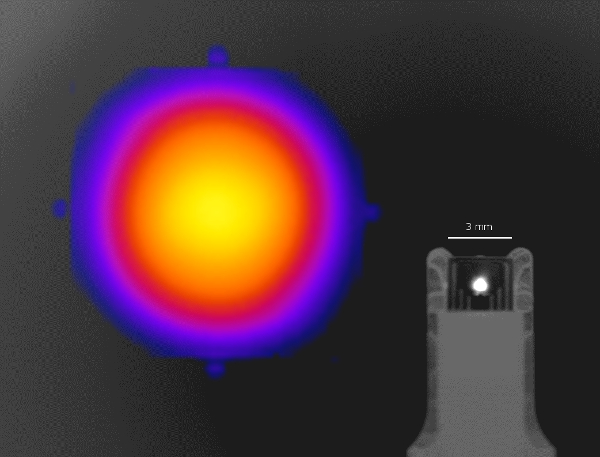
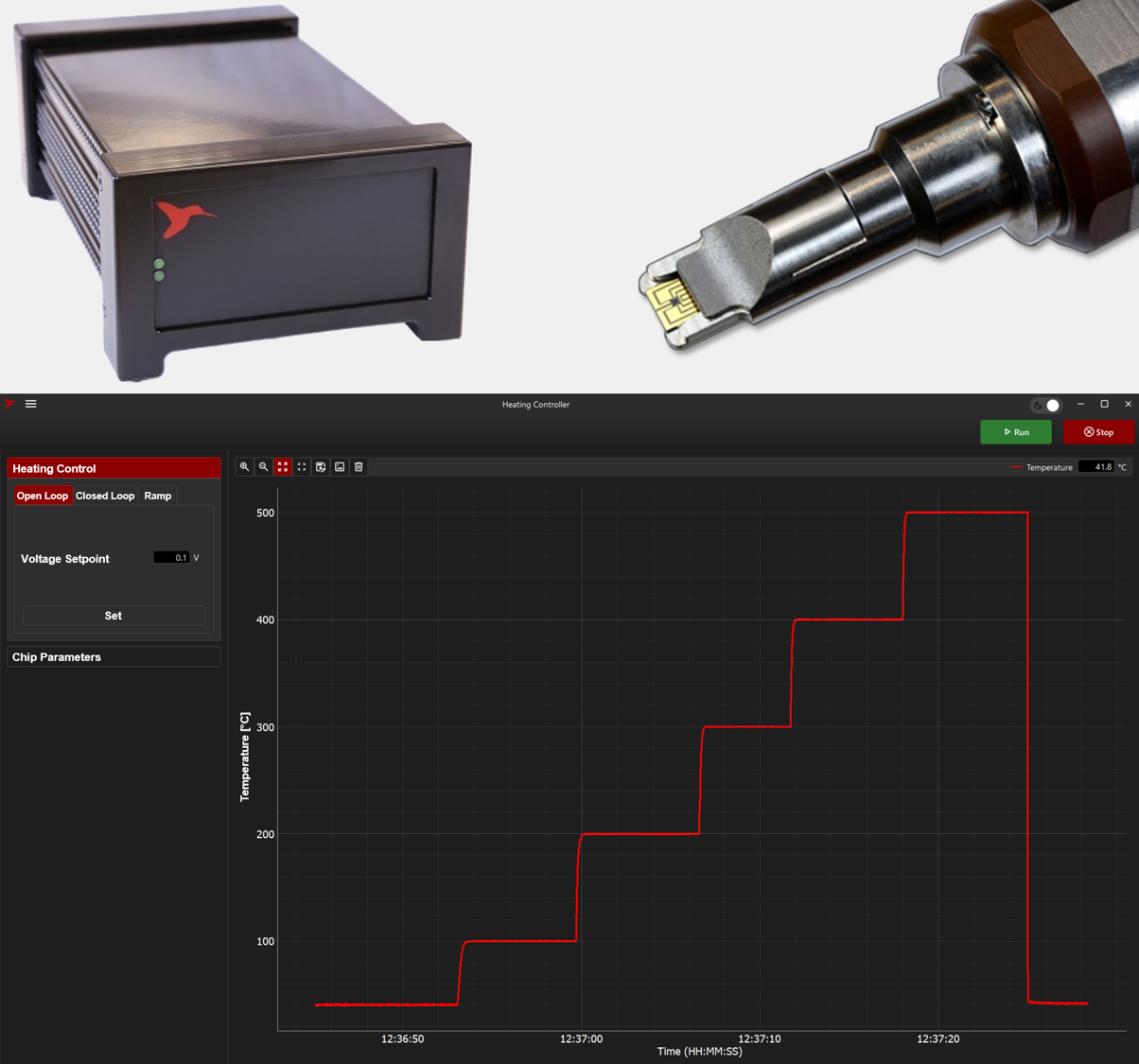
Achieve stable high-temperature experiments with rapid MEMS heating and precise temperature control alongside concurrent biasing
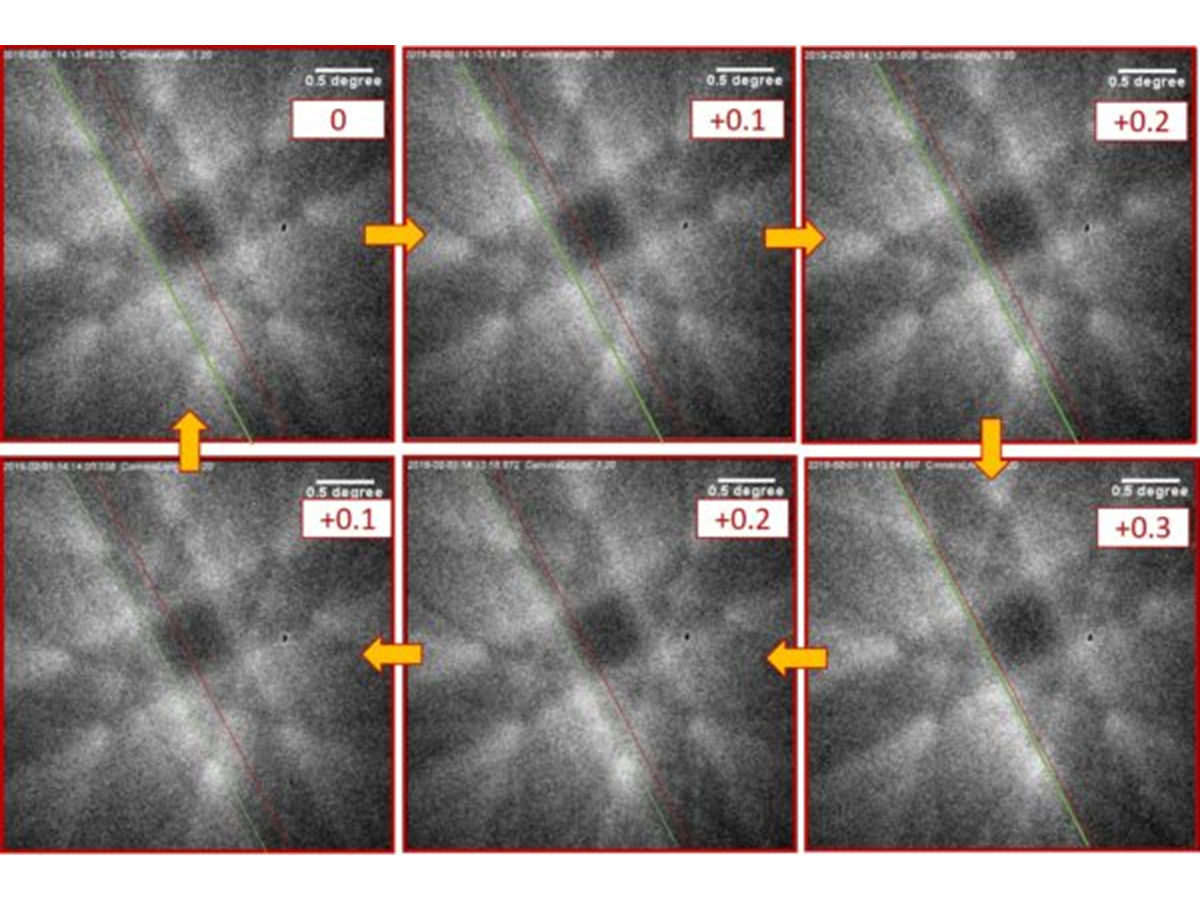
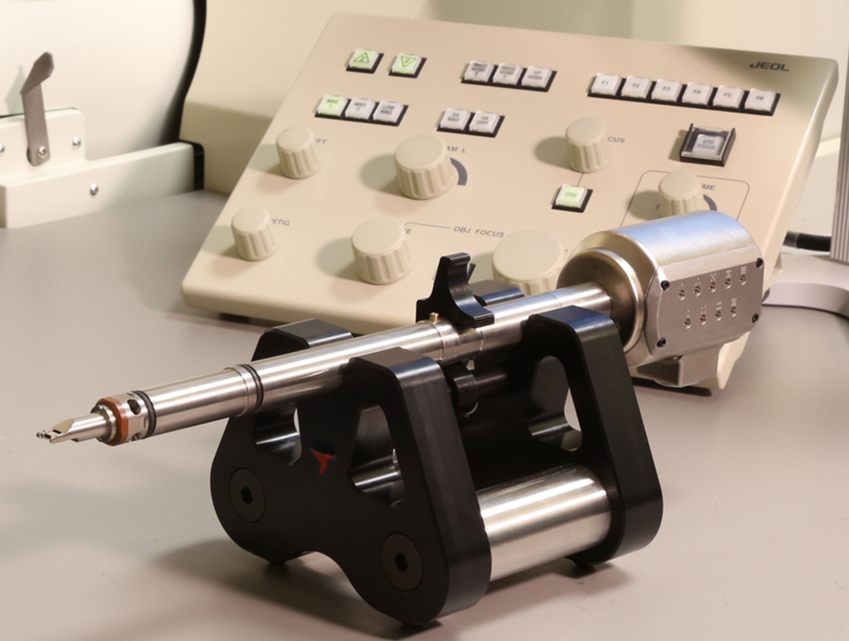
Optimize sample orientation for atomic resolution, zone axis orientation, diffraction, crystallography, and analytical TEM workflows using the double-tilt holder configuration
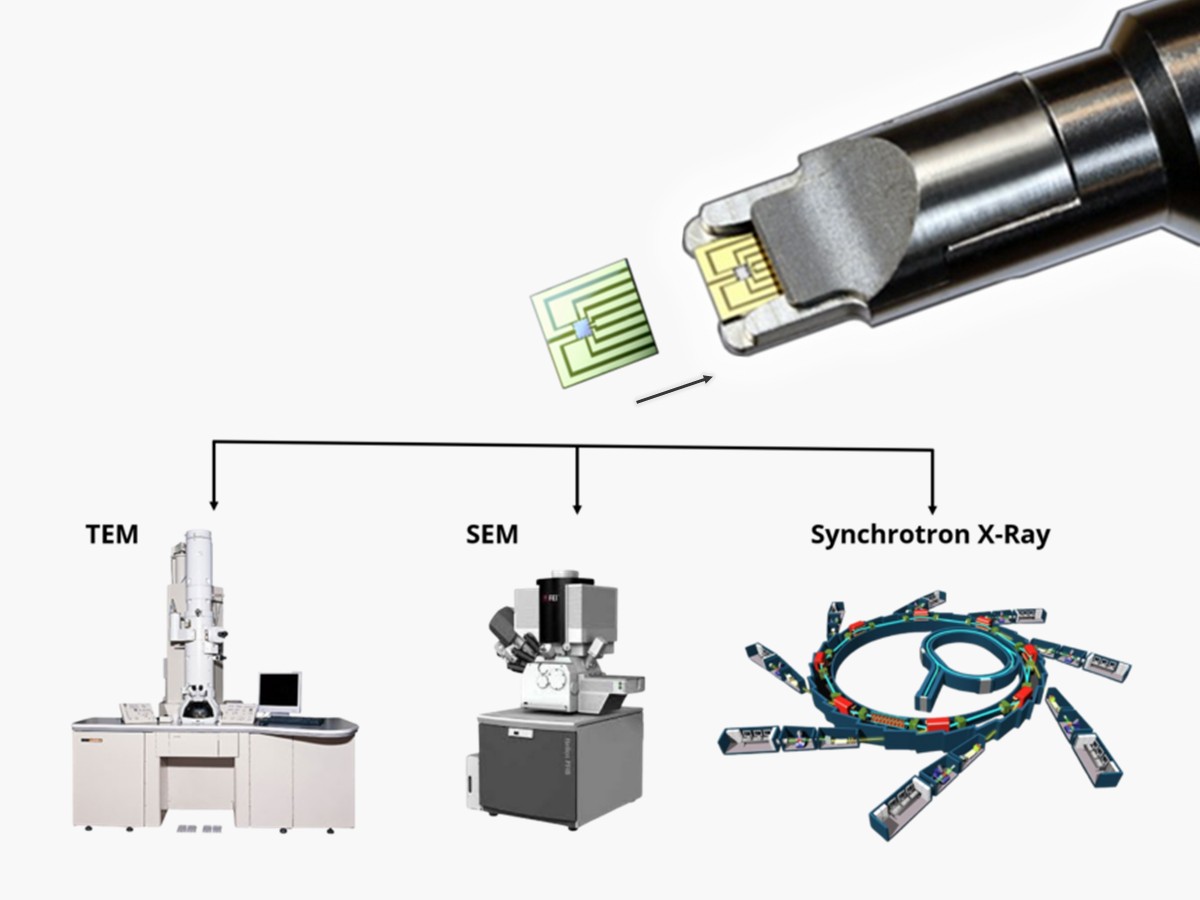
Correlate heating, electrical biasing, and imaging data across TEM, SEM, and X-ray microscopy platforms

Keep experiments moving with in-stock MEMS chips for heating, electrical biasing, and advanced in-situ TEM characterization
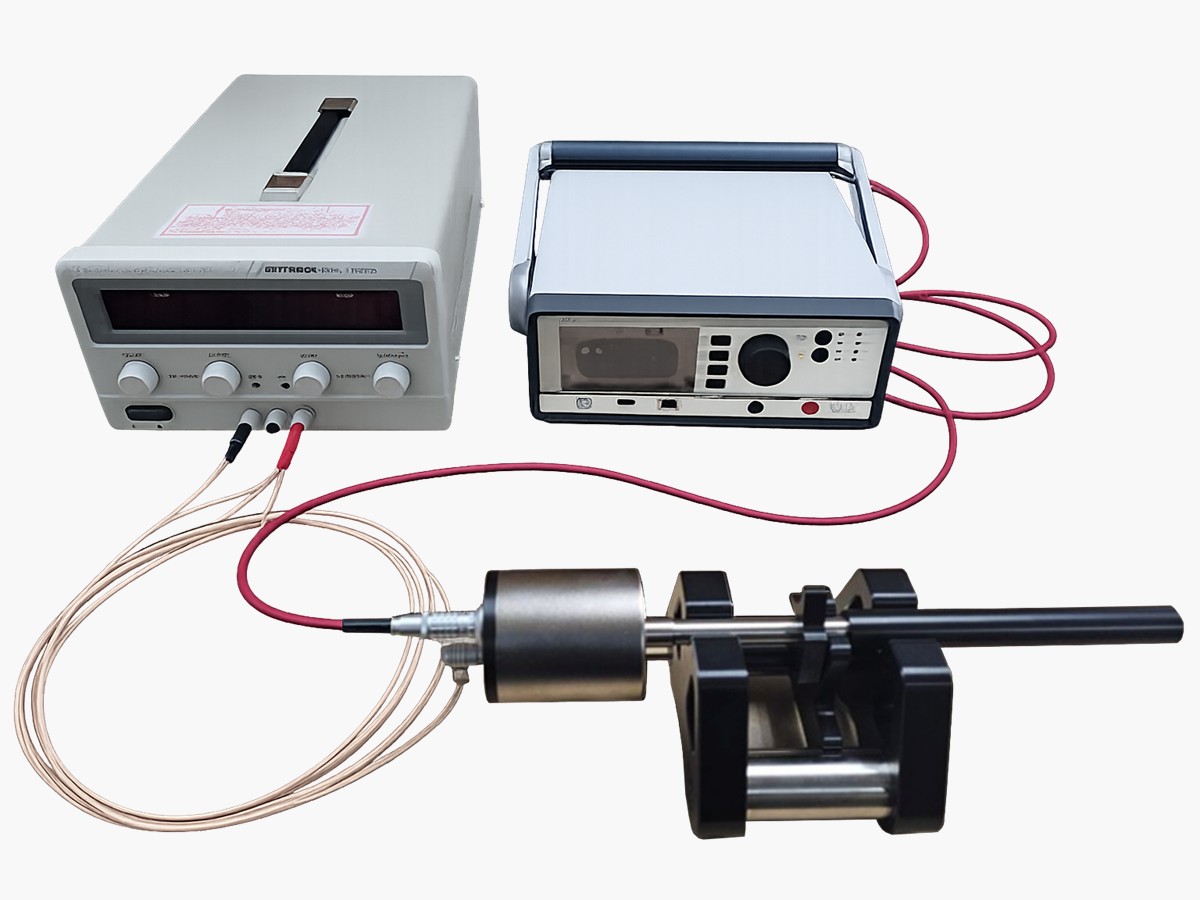
Extend electrical characterization capabilities with specialized biasing hardware and chip configurations for up to 1 kV electrical biasing
Built for Diverse Research Applications


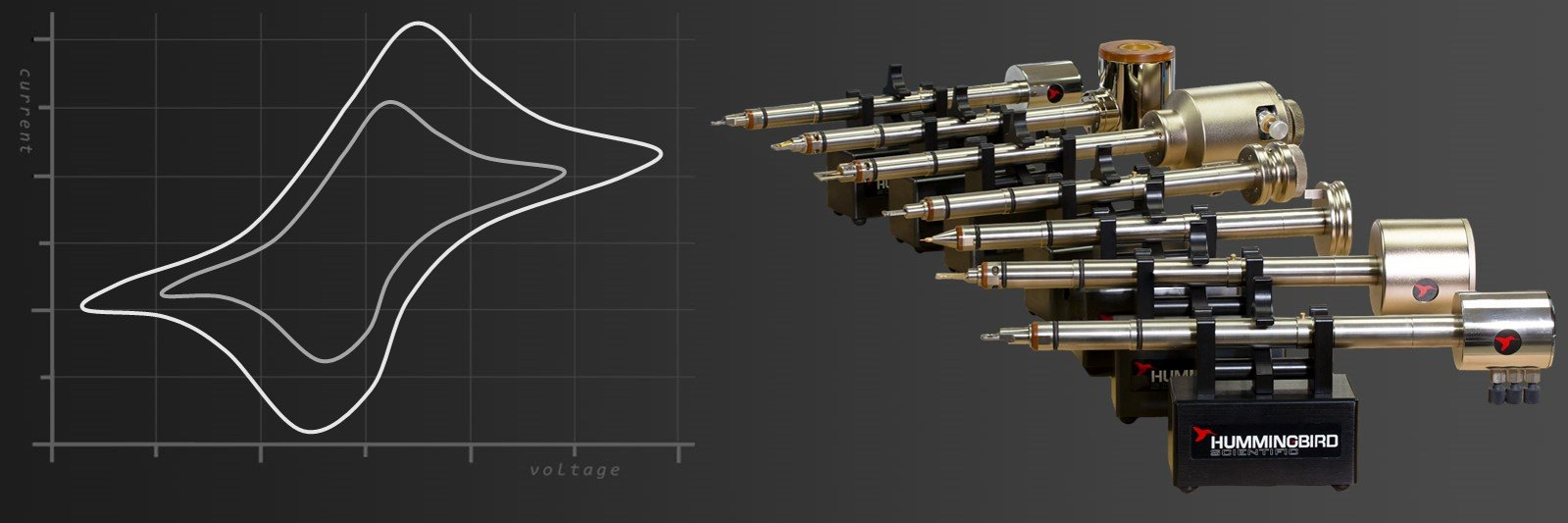
Featured Research

Annealing of 2D MoS2 at different heating rates shows different phase transformations from MoS2 to either a highly ordered crystalline island structure that is composed of both 2H and 3R phases (a-c) or to nanocrystalline and amorphous regions (a,d-e).
Heating-rate-dependence of phase transformations in atomically thin MoS₂ observed by in-situ STEM
The Hummingbird Scientific TEM MEMS Heating + Biasing sample holder was used to directly visualize structural transformations in atomically thin MoS2 during controlled thermal annealing. Using aberration-corrected STEM and a high-frame rate camera, researchers tracked the evolution of the material at the atomic scale at different temperatures. The holder’s rapid and precisely controlled heating capability enabled comparison of equilibrium and non-equilibrium transformation pathways. Fast heating rates produced highly ordered sub-10 nm crystalline islands composed of mixed 2H and 3R phases, while slower heating resulted in nanocrystalline and amorphous structures. These observations revealed how sulfur evaporation and redeposition govern phase evolution in 2DMoS2, providing new insight into the synthesis and engineering of layered nanomaterials.
Reference: Pawan Kumar, et al. npj 2D Materials and Applications (2020).DOI: 10.1038/s41699-020-0150-2
Copyright © 2020 The Author(s). Published under the Creative Commons Attribution 4.0 International License (CC BY 4.0).
Video Spotlight
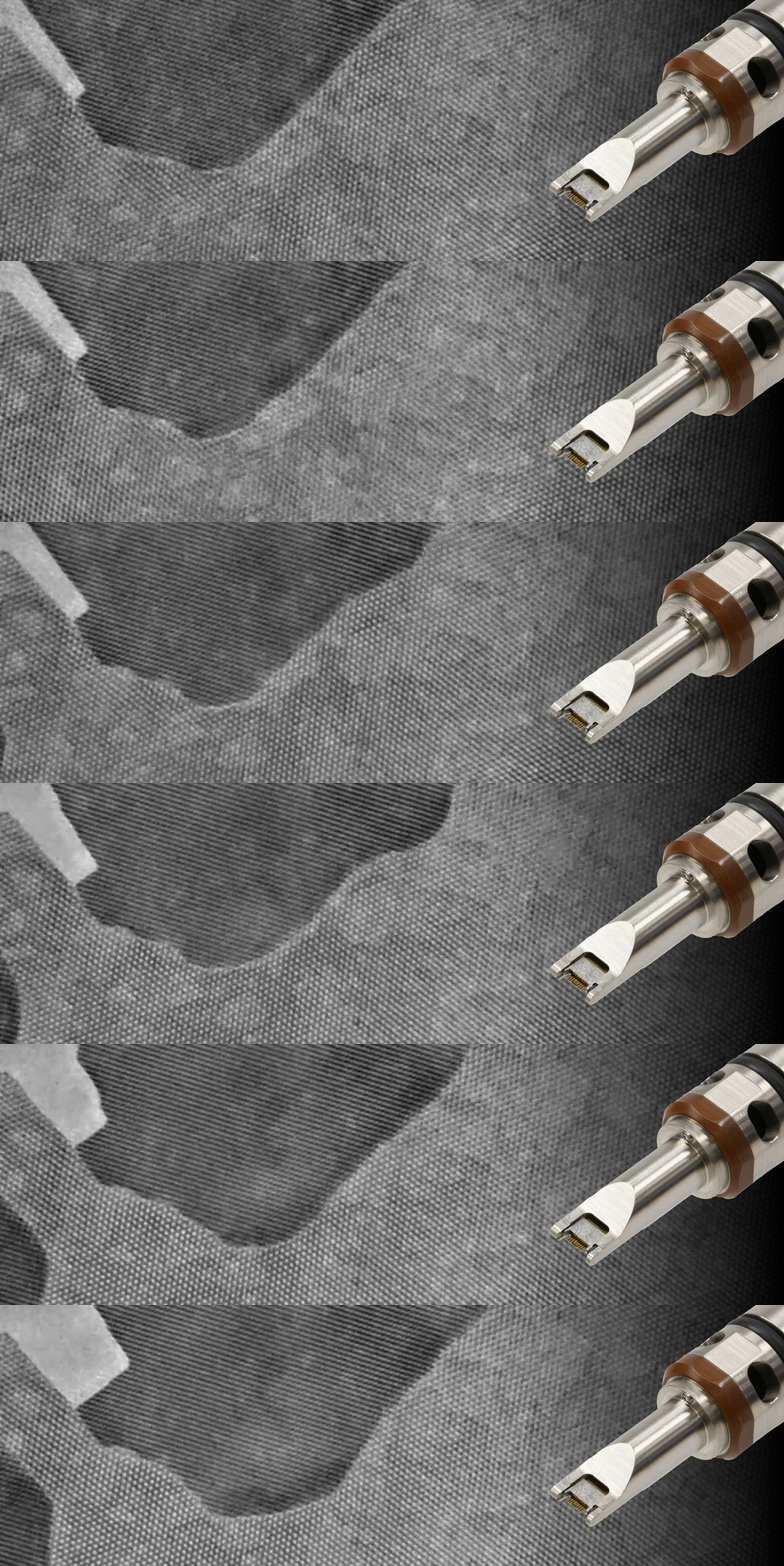
Atomic-scale diffusion between two quantum dots heated to 650 °C in-situ inside the TEM using the Hummingbird Scientific TEM MEMS Heating + Biasing sample holder. Diffusion proceeds primarily through the bridge until the particles coalesce.
In-situ TEM atomic-scale diffusion between two quantum dots at high temperature
High-temperature in-situ TEM allows researchers to directly observe how nanoscale materials transform under thermal stimulus. In this video, two quantum dots are heated to 650 °C using the Hummingbird Scientific TEM MEMS Heating + Biasing sample holder. Atomic diffusion appears to occur primarily through the bridge between the particles and continues until the two particles coalesce into one larger particle.
This experiment demonstrates why real-time MEMS heating inside the TEM is valuable: researchers can connect temperature, nanoscale structure, diffusion pathway, and final morphology in a single operando experiment rather than relying only on post-mortem characterization.
Hummingbird Advantages
- Closed-loop MEMS heating enables direct nanoscale observation of thermally activated diffusion.
- Direct chip contacts and stable MEMS heaters support repeatable high-temperature in-situ TEM experiments.
- EELS and EDS compatibility can enable correlation of structural and chemical changes when the experiment is configured for analytical microscopy.
Reference: HBS internal/customer data provided by Pawan Kumar, Deep Jariwala, and Eric Stach at the University of Pennsylvania.
Software
Spend less time managing equipment and more time generating results. Hummingbird Control™ Software provides intuitive control of heating and biasing functions, including temperature set points, closed-loop heating behavior, and voltage sweep workflows when configured with the system.
Hummingbird Connect™ can support the broader software strategy by connecting holder operation, microscope context, imaging workflows, and experiment metadata. Together, these software tools help improve reproducibility, experiment setup, data organization, and long-term usability for in-situ TEM heating and biasing experiments.
Built on Engineering Excellence
Hummingbird Scientific designs, machines, assembles, tests, and services its products in-house. Our integrated in-house engineering, precision manufacturing, microfabrication, software development, applications, and service teams enable rapid prototyping and iteration, custom modifications, and direct technical support throughout the life of the instrument. This vertically integrated approach allows researchers to adapt experimental platforms to unique scientific requirements while maintaining the performance and reliability required for advanced in-situ microscopy experiments.
The TEM MEMS Heating + Biasing Sample Holder reflects this engineering approach by combining MEMS-based heating, electrical biasing, and integrated holder, chip, and controller technologies into a unified platform for reproducible operando in-situ TEM experiments and advanced materials characterization.
Need something unique? Our engineers can customize existing products or develop new solutions to support specialized MEMS chip designs, electrical configurations, sample geometries, and emerging research challenges.
Frequently Asked Questions
Related Products


Customization and Service