Recreate realistic reaction environments inside your TEM with precise gas delivery, closed-loop heating above 1000 °C, and atomic-resolution imaging

The Hummingbird Scientific TEM Gas Heating Sample Holder enables in-situ TEM and STEM imaging of gas–solid reactions under precisely controlled gaseous environments. Designed for researchers in catalysis, materials science, chemistry, energy storage, environmental science, and nanotechnology, it combines controlled gas atmospheres with high-temperature MEMS heating to investigate dynamic processes including catalyst activation, nanoparticle growth, corrosion, redox reactions, phase transformations, thin-film deposition, and other temperature-dependent material transformations. By directly correlating reaction conditions with real-time atomic-resolution imaging and analytical characterization, researchers can reveal the mechanisms governing material performance, stability, and degradation under realistic operating environments.
Hummingbird Advantages:
- Gas flow up to 2 bar with a dedicated purge line, optional multi-channel gas delivery, and real-time exhaust gas analysis.
- Closed-loop MEMS heating from room temperature to above 1000 °C with integrated temperature sensing.
- Full compatibility with TEM, STEM, EDS, and EELS during in-situ gas experiments.
- Screw-free gas-cell assembly with self-aligning windows for fast, reproducible sample loading.
- Maintain a clean gas environment with a fully bakeable all-metal sample rod and gas delivery tubing.
- Compatible with TEM, SEM, and X-ray microscopy workflows using cross-platform microfabricated chips.
Available For:


.jpg)

How it Works
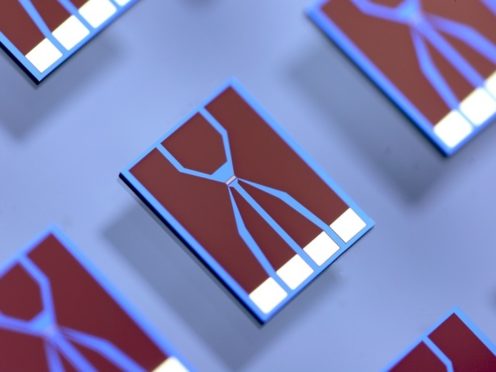
The TEM Gas Heating Sample Holder integrates a sealed environmental cell, all-metal gas delivery tubing, multifunctional microfabricated chips, electrical biasing connections, and dedicated control hardware into a versatile platform for in-situ gas-phase TEM and STEM experiments. The environmental cell is formed by two microfabricated silicon chips with electron-transparent silicon nitride (SiN) windows. A sample is loaded onto one of the chips before the two chips are sealed together, creating a controlled gas environment around the specimen that remains isolated from the microscope vacuum.
A precision-engineered, screw-free loading and sealing mechanism enables fast, reproducible sample loading and automatic alignment of the SiN windows. Controlled gas flow is delivered through the sealed environmental cell at pressures up to 2 bar using Hummingbird Scientific's gas delivery systems, with optional multi-channel delivery supporting controlled mixing of up to eight gases, a dedicated purge line, and real-time output gas analysis. Optimized holder geometry and a low thermal mass MEMS microheater provide stable imaging during high-temperature experiments with closed-loop heating above 1000 °C and integrated 4-point on-chip temperature sensing.
Compatible microfabricated chips for MEMS heating and electrical biasing enable thermal and electrical stimuli to be applied during controlled gas-phase experiments, allowing researchers to observe gas–solid reactions, phase transformations, and degradation processes in real time at atomic resolution.
Key Features and Capabilities
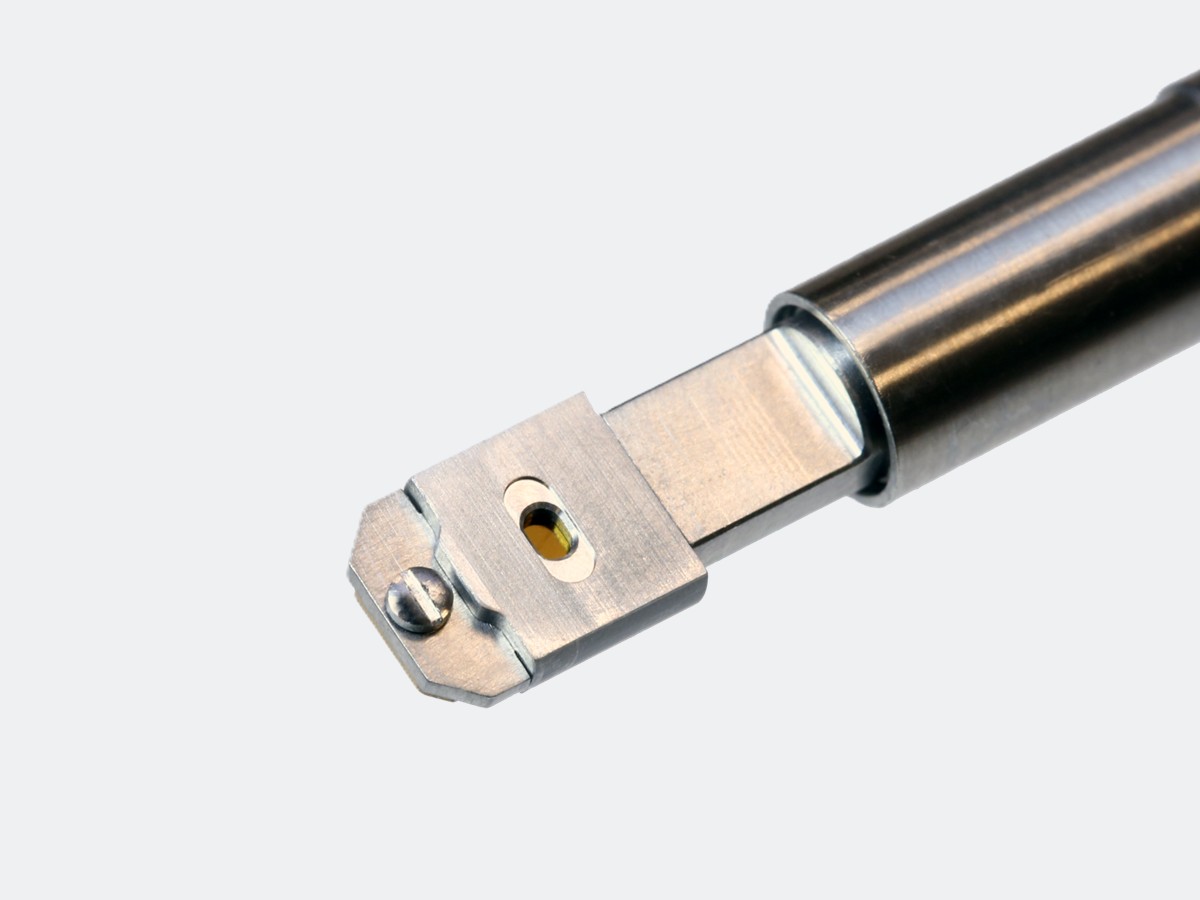
Achieve reproducible gas-cell assembly with self-aligning windows and a screw-free sealing design
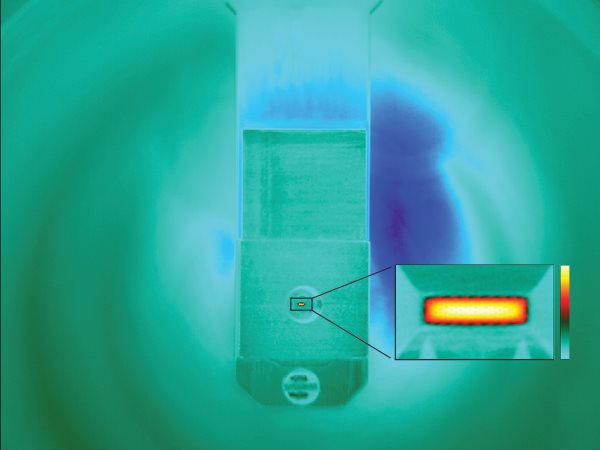
Perform temperature-controlled gas-phase TEM with homogeneous MEMS heating above 1000 °C, 4-point on-chip temperature sensing, and near-drift-free imaging

Control gas pressure from high vacuum to 2 bar using one experimental gas and a dedicated purge line for reliable, repeatable gas-phase TEM experiments
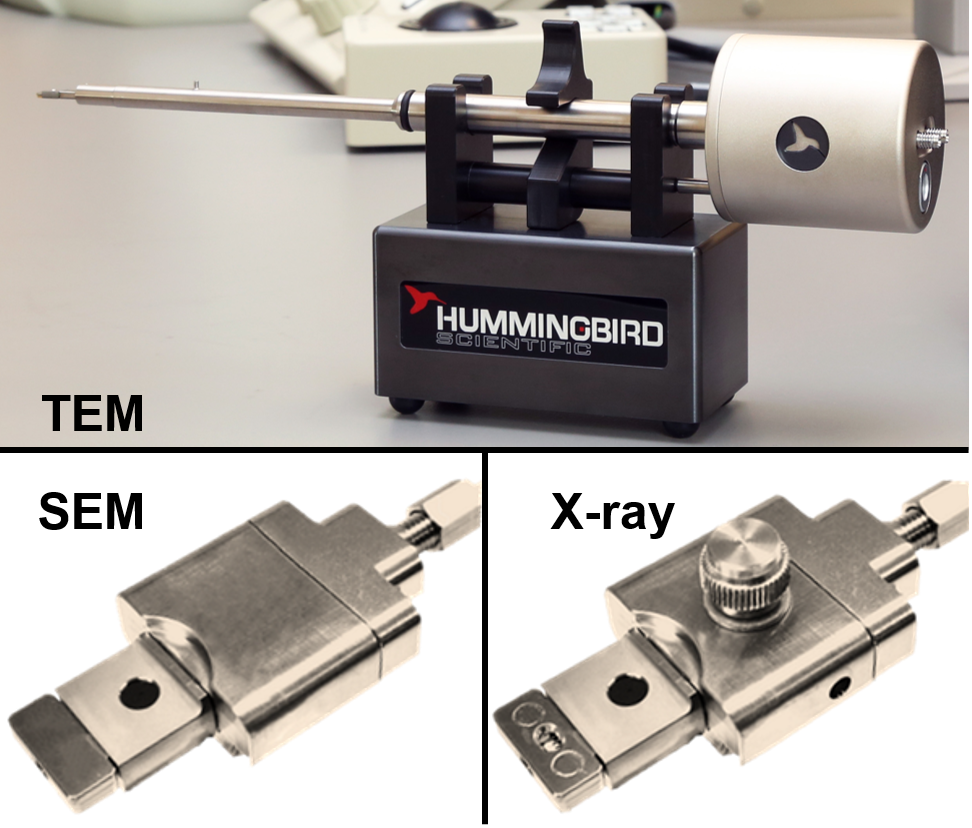
Perform correlative gas-phase microscopy across TEM, SEM, and synchrotron X-ray platforms
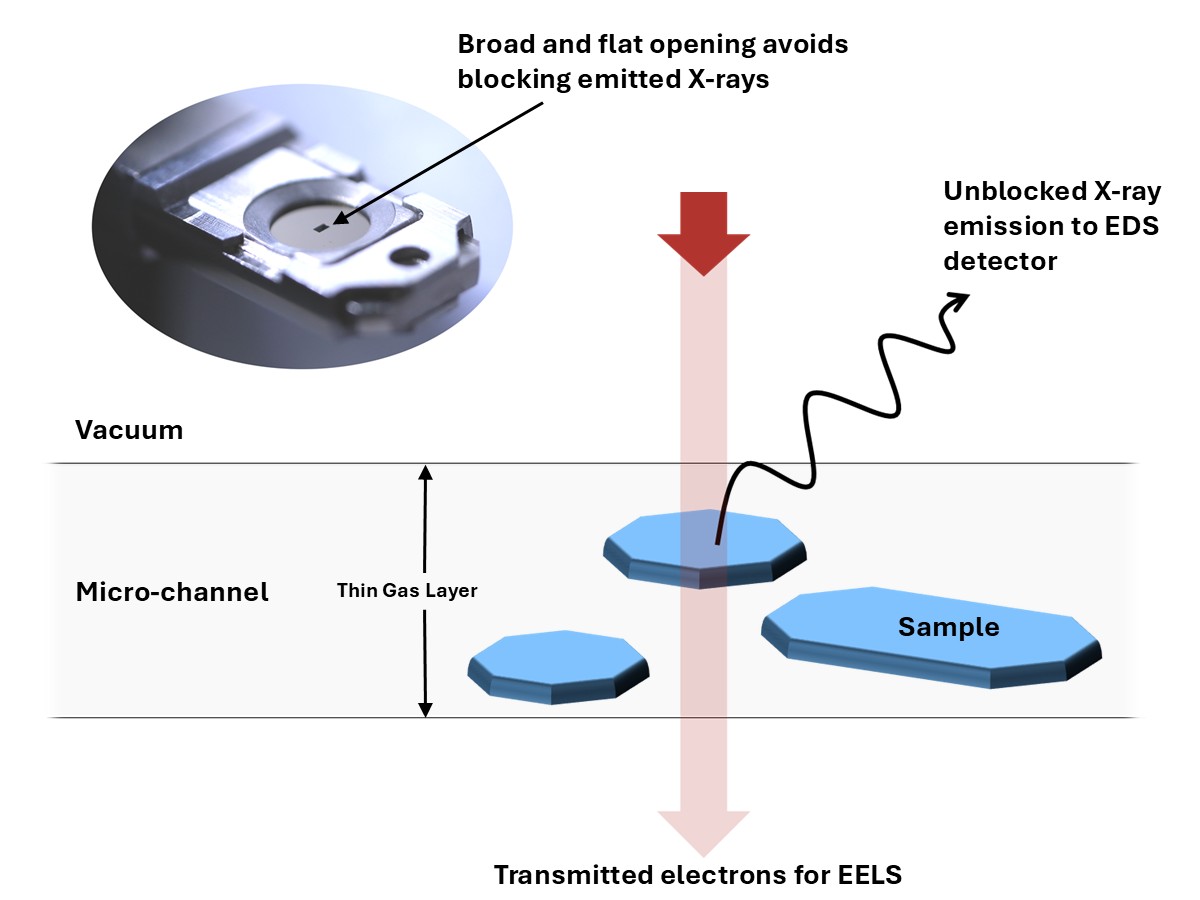
Perform correlative spectroscopy and microscopy for detailed in-situ elemental analysis

Protect your TEM during gas-cell experiments and streamline setup with rapid high-vacuum seal checking and optical inspection

Keep experiments moving with in-stock gas-cell TEM chips designed for gas flow, heating, sample biasing, and multimodal microscopy workflows
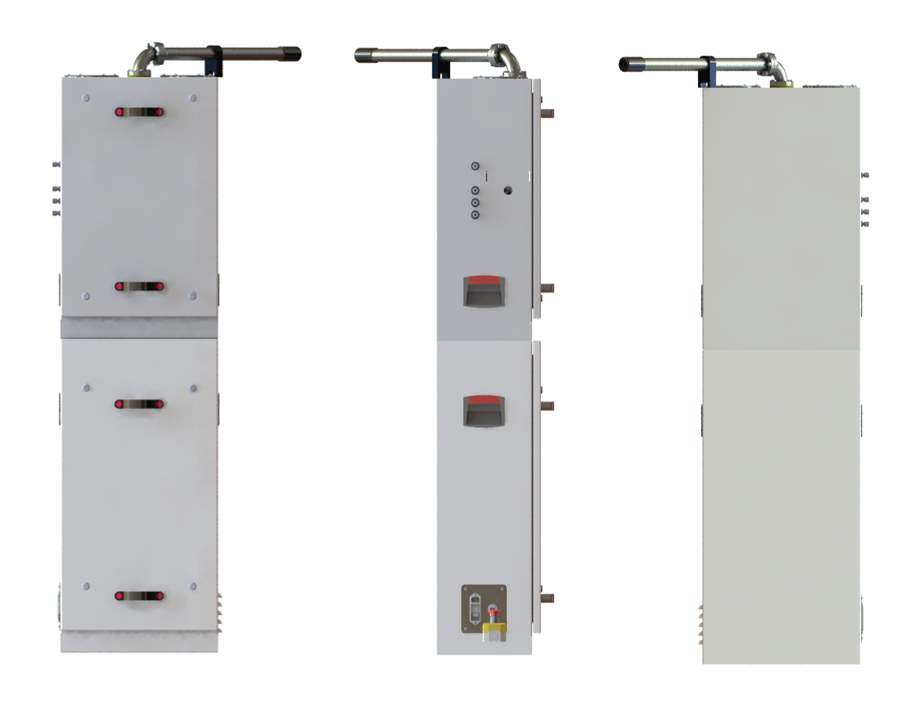
Unlock superior control of gas composition with on-the-fly mixing of up to eight gases and real-time output gas analysis
Built for Diverse Research Applications

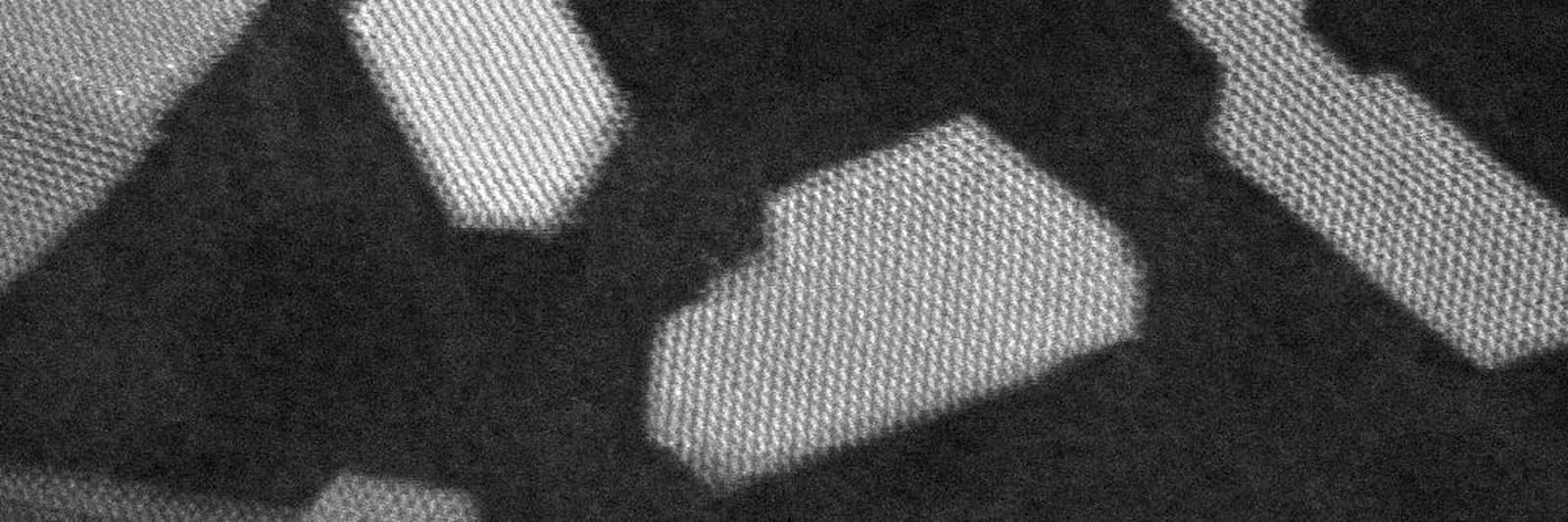
Featured Research

HAADF-STEM images of the hybrid supporting oxide a) and the resultant Pt-containing catalysts b–d). e) In-situ tracking of Ce4+ concentration and temperature for the in situ XAS and STXM CO oxidation (1 vol.% CO +4 vol.% O2 + 95 vol.% Ar) experiment. f) Enhanced specific mass activity of PCT during repeated and prolonged CO oxidation reaction. The MA of Pt was increased by 3.3 times from PCT-1 to PCT-10 h. The MA of PT catalyst without Ce addition was increased by 9.6 times upon adding 2 wt.% of Ce (from PT to PCT-1).
In-situ characterization of Pt nanoparticle disintegration during CO oxidation on hybrid oxide supports
The Hummingbird Scientific TEM Gas Heating sample holder was used to directly observe the structural evolution of Pt nanoparticles supported on CeOₓ–TiO₂ hybrid oxides during carbon monoxide oxidation. In-situ STEM imaging under flowing reaction gas conditions revealed the dynamic disintegration of Pt nanoparticles into single atoms and sub-nanometer clusters at elevated temperature, while complementary X-ray spectroscopy and microscopy tracked changes in the support oxidation state. The holder enabled correlation of catalyst morphology with catalytic performance, showing that oxygen-driven restructuring of Pt at the oxide interface led to a threefold increase in mass-specific activity during CO oxidation. These results apply in-situ gas-heating TEM to reveal catalyst activation pathways that are inaccessible through ex-situ characterization.
Reference: Eunji Kang, et al. Small (2025). DOI: 10.1002/smll.202506990
Copyright © 2025 The Author(s). Small publishedby Wiley-VCH GmbH.
Video Spotlight
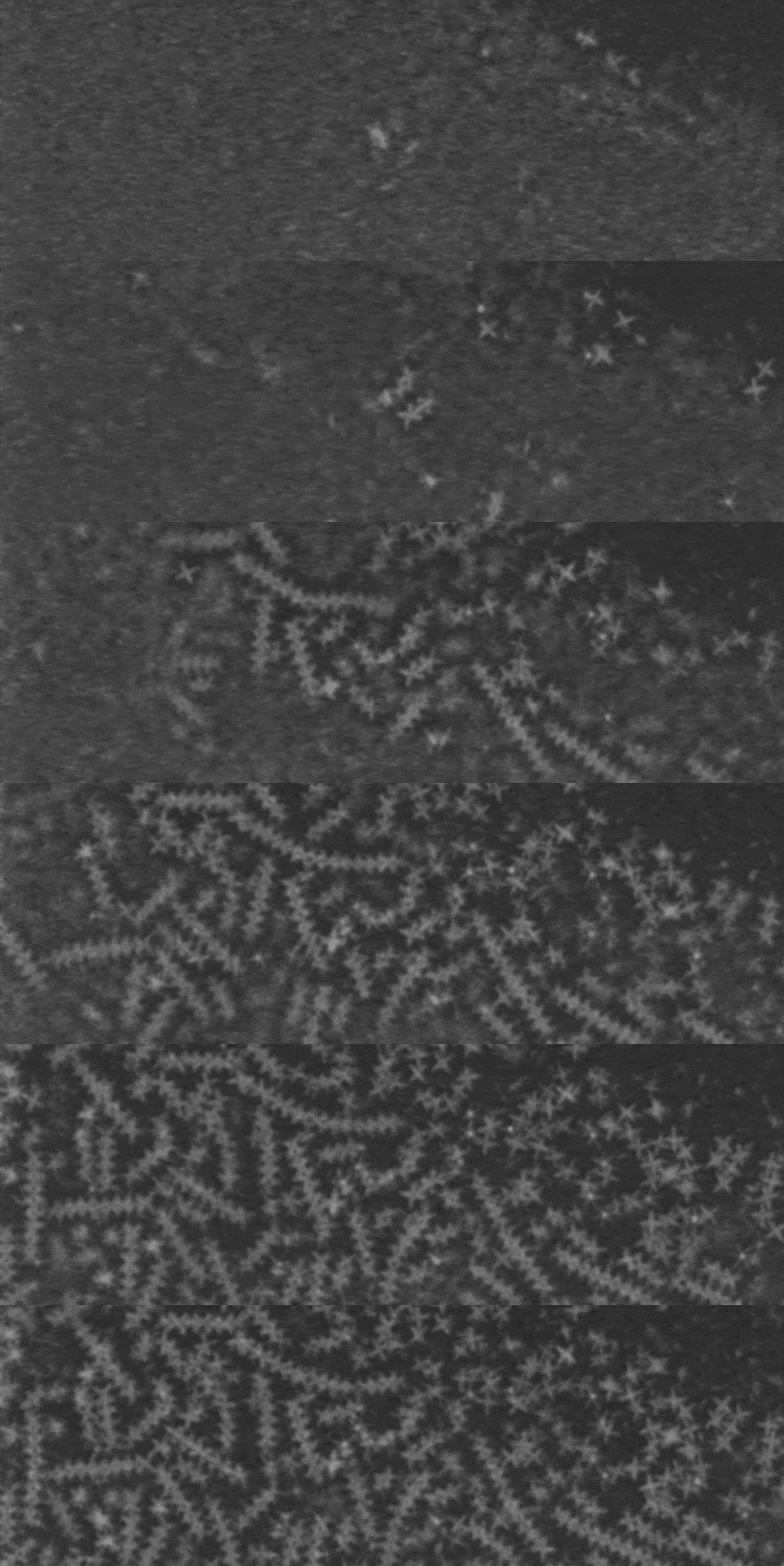
Video showing ferrihydrite nanoparticle fragmentation and restructuring during a phase transformation into magnetite in a heated gaseous environment.
In-situ high-temperature ferrihydrite reduction in H₂ gas
Although ferrihydrites do not typically catalyze reactions in gaseous environments, multiple transient Fe-based heterogeneous catalysts such as magnetite can be produced by activation of ferrihydrite nanoparticles via hydrogen reduction, with a strong dependence on applied conditions. The TEM Gas Heating holder enables direct connection of applied pressure, temperature, and beam conditions to transient nanocatalyst formation dynamics.
The video shows ferrihydrite nanoparticle reduction to fragmented magnetite in 1.1 bar of hydrogen gas flown into the TEM gas cell. The imaging stability across the temperature range enabled real-time grain restructuring and phase changes of particles from amorphous to a crystalline structure to be captured as the particle was reduced when heated to 360°C in the presence of H2.
Hummingbird Advantage
- Resolution at temperature and pressure nearly match vacuum imaging performance
- Drift at temperature matches room temperature TEM drift spec – no need for drift correction software
Reference: Hummingbird Scientific internal data in collaboration with Jaco Olivier, Matthew Coombes, and Jan Neethling from Nelson Mandela Metropolitan University, South Africa
Software
Spend less time managing equipment and more time generating results. Hummingbird Connect™ integrates with microscope and laboratory software platforms to simplify experiment setup, streamline workflows, and keep your data organized from acquisition through analysis.
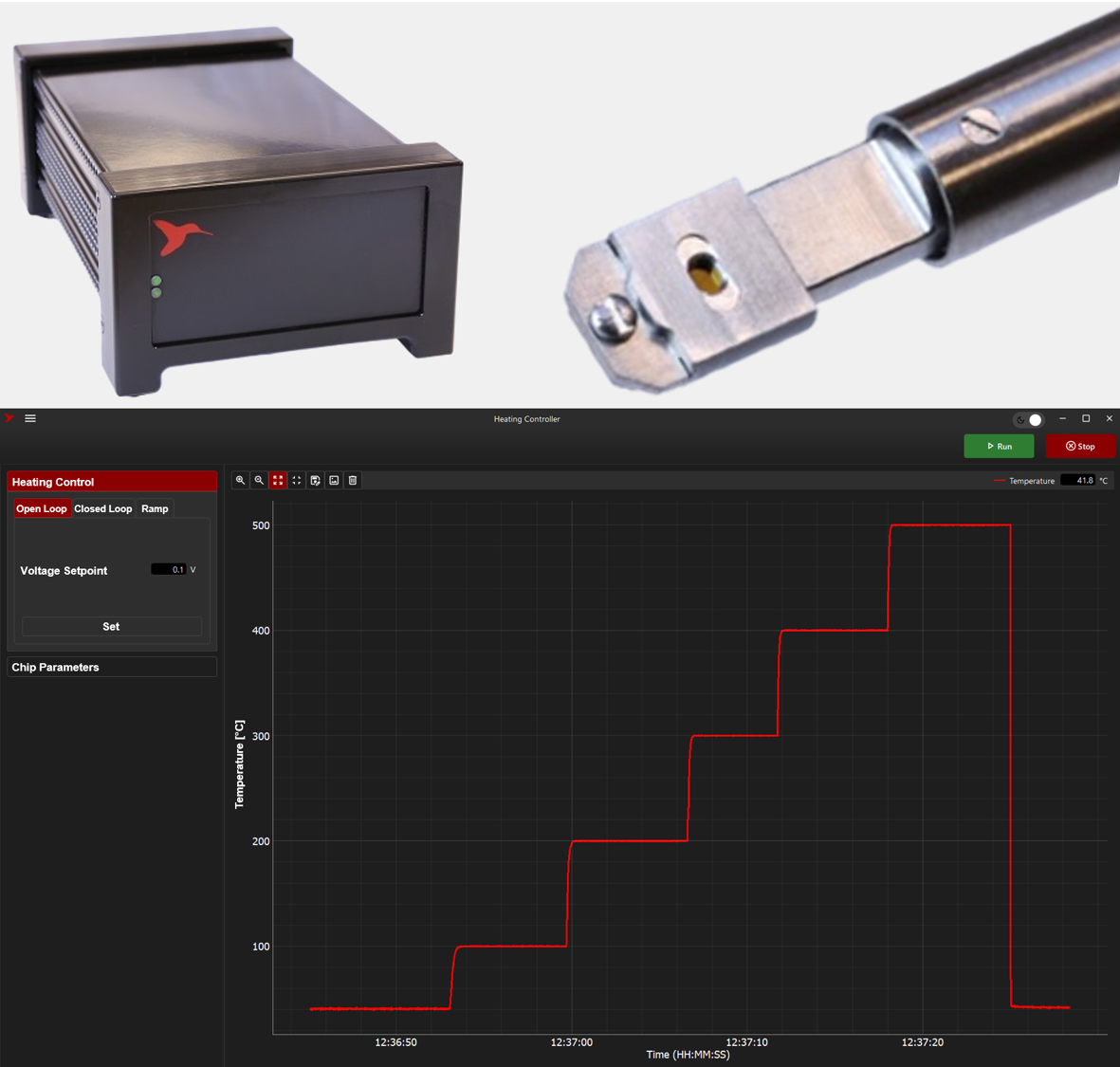
To help you get the most from your gas-cell holder, Hummingbird Control™ Software provides intuitive and precise control of closed loop gas heating. Together, these software solutions enable faster setup, improved reproducibility, and more efficient gas-phase TEM experiments.
Built on Engineering Excellence
Hummingbird Scientific designs, machines, assembles, tests, and services its products in-house. Our integrated engineering, machining, microfabrication, software development, and applications teams enable rapid prototyping and iteration, custom modifications, and direct technical support throughout the life of the instrument. This vertically integrated approach allows researchers to adapt experimental platforms to unique scientific requirements while maintaining the performance and reliability required for advanced in-situ microscopy experiments.
The TEM Gas Heating Sample Holder is a direct result of these capabilities, integrating controlled gas delivery, MEMS heating, and experimental workflows into a single platform for reproducible in-situ gas-phase TEM experiments.
Need something unique? Our engineers can customize existing products or develop entirely new solutions to support specialized experiments and emerging research challenges.
Frequently Asked Questions
Related Products

Customization and Service